Trump Claims Paramount Settlement Double The Reported Amount
 Joe Gallop
08 Jul 2025
Joe Gallop
08 Jul 2025

US President Donald Trump said his settlement with Paramount Global over a controversial 60 Minutes interview is worth more than twice the company’s reported US$16 million (A$24 million) payout.
This has fueled further controversy as Paramount’s US$8 billion (A$12 billion) merger with Skydance Media awaits regulatory approval.
While Paramount, owner of Network Ten in Australia, maintains that the agreement was limited to a US$16 million (A$24 million) payment covering legal costs and future library donations, Trump claimed the real value exceeds US$32 million (A$48 million).
He said the deal includes US$15–$20 million (A$22–$30 million) worth of future public service announcements (PSAs) promoting causes aligned with his administration, allegedly arranged through the merger’s prospective buyer, Skydance CEO David Ellison.
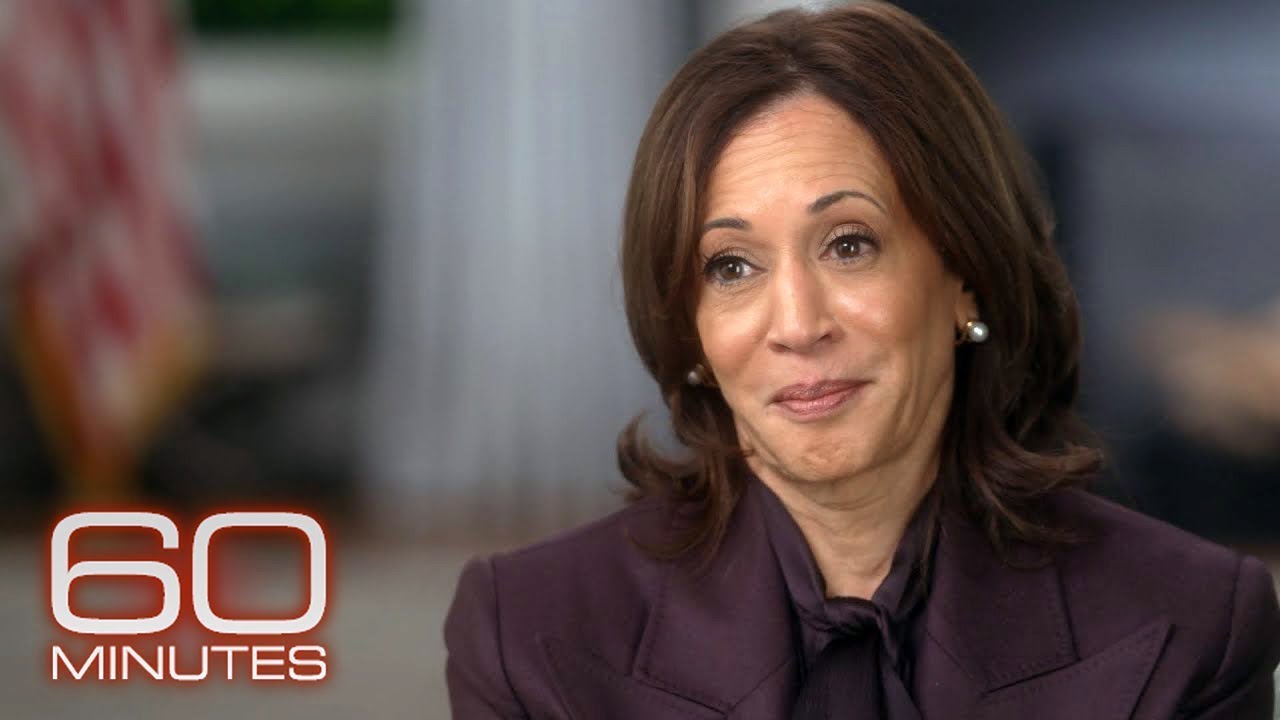
Trump’s lawsuit targeted CBS, a Paramount-owned network, over allegedly deceptive editing of a 2024 ’60 Minutes’ interview with then–Vice President Kamala Harris.
Though Paramount denied any wrongdoing and insists there’s no PSA agreement, reports from The New York Post and Fox News Digital suggest a behind-the-scenes arrangement tied to political favours and the pending Skydance merger.
The backlash has been fierce across the US media landscape.
Press freedom advocates, including the ACLU and PEN America, accused Paramount of giving in to political pressure and undermining journalistic independence.
“A dark day for the press,” wrote the Freedom of the Press Foundation, while legal expert Floyd Abrams called the deal “an ominous blow” to the First Amendment.
Inside CBS, tensions are reportedly high, with newsroom staff and former executives expressing outrage.
Critics argue the settlement is a strategic ploy by Paramount’s leadership to smooth the regulatory path for the Skydance merger, which now faces intense scrutiny from the Democrat-controlled FCC.
The Trump team, meanwhile, is celebrating the result as a landmark win for media accountability.
But with Paramount Global caught in the crossfire, the fallout could go far beyond the US, including the future direction of Network Ten.