Microsoft CEO Warns Of More Global Outages As AI Creates New Risks
 Dominic Bayley
20 Nov 2026
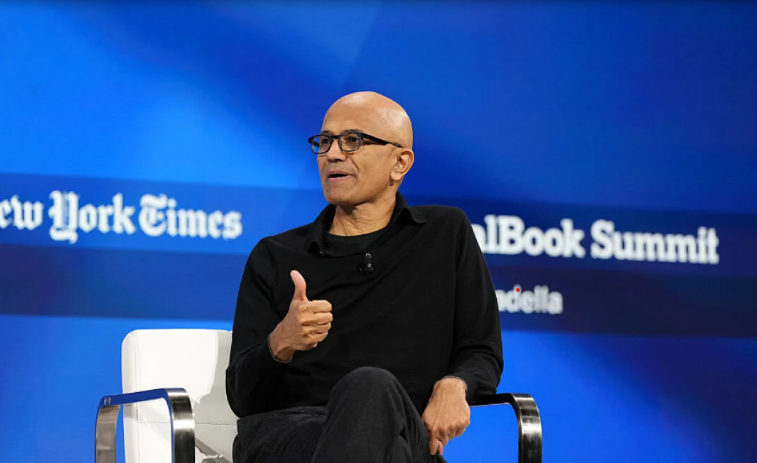
Microsoft CEO Satya Nadella has warned that major technology outages could become more frequent as artificial intelligence, ageing infrastructure and increasingly sophisticated cyberattacks put additional pressure on global networks.
His warning follows a major Microsoft outage last week that disrupted services for 24 hours, affecting businesses, government agencies and users of Microsoft 365 products, including Outlook and Teams.
Speaking to CNBC, Nadella described the incident as a “perfect storm” of technical problems, including a previously undetected software bug triggered by an unusual pattern of network traffic.
He acknowledged that Microsoft should have identified the problem earlier and introduced safeguards to prevent the disruption from spreading globally.
Nadella also revealed at the New York Times DealBook Summit that more than 80 per cent of Microsoft’s servers became unresponsive during the incident.
The outage was linked to a software update introduced over the northern hemisphere summer to test older equipment.
However, Nadella warned that the broader risks facing global technology infrastructure extend well beyond Microsoft’s recent problems.

He said AI is helping technology companies identify and repair software vulnerabilities more quickly, but the resulting wave of updates and security patches is also creating instability.
According to Nadella, older infrastructure is increasingly struggling to accommodate new software and security requirements.
Cybersecurity threats are adding further pressure, with AI making it easier for attackers to launch sophisticated operations that previously required significant technical expertise and resources.
Nadella suggested the barriers to carrying out large-scale cyberattacks have fallen dramatically, potentially allowing smaller groups to launch attacks capable of disrupting national infrastructure.
He also expressed concern about the growing number of internet-connected physical systems, including heating, cooling and transport networks.
Unlike conventional cloud services, these systems can be difficult to update or secure, leaving them particularly vulnerable to software failures and cyberattacks.
The Microsoft chief said the combination of ageing infrastructure, rapid AI development and escalating cyber threats means technology companies face mounting pressure to modernise their networks.
His comments raise fresh concerns about the reliability of critical digital services as governments, businesses and consumers become increasingly dependent on interconnected cloud platforms.