TCL Unveils T7M Ultra SQD Mini-LED TV With 3000-Nit Brightness And 150Hz 4K Panel
 Joe Gallop
23 Mar 2026
Joe Gallop
23 Mar 2026

TCL has announced a new addition to its premium TV lineup, launching the T7M Ultra SQD Mini-LED TV in China as it doubles down on next-generation display technology.
Positioned as the company’s first “living room” SQD Mini-LED model, the T7M Ultra will be available in four sizes ranging from 65-inch to 98-inch.
Pricing starts at 6,799 yuan (around A$1,500) and tops out at 15,999 yuan (roughly A$3,600), making it a mid-to-high-end offering in TCL’s expanding portfolio.
The headline feature is TCL’s proprietary SQD (Super Quantum Dot) Mini-LED technology, which the company claims improves on traditional Mini-LED backlighting.
The panel delivers up to 2,176 local dimming zones, enabling finer control over brightness and contrast, alongside full 100% BT.2020 colour gamut coverage.
Peak brightness reaches 3,000 nits via TCL’s XDR (Extreme Dynamic Range) technology, placing it among the brighter consumer TVs currently available.
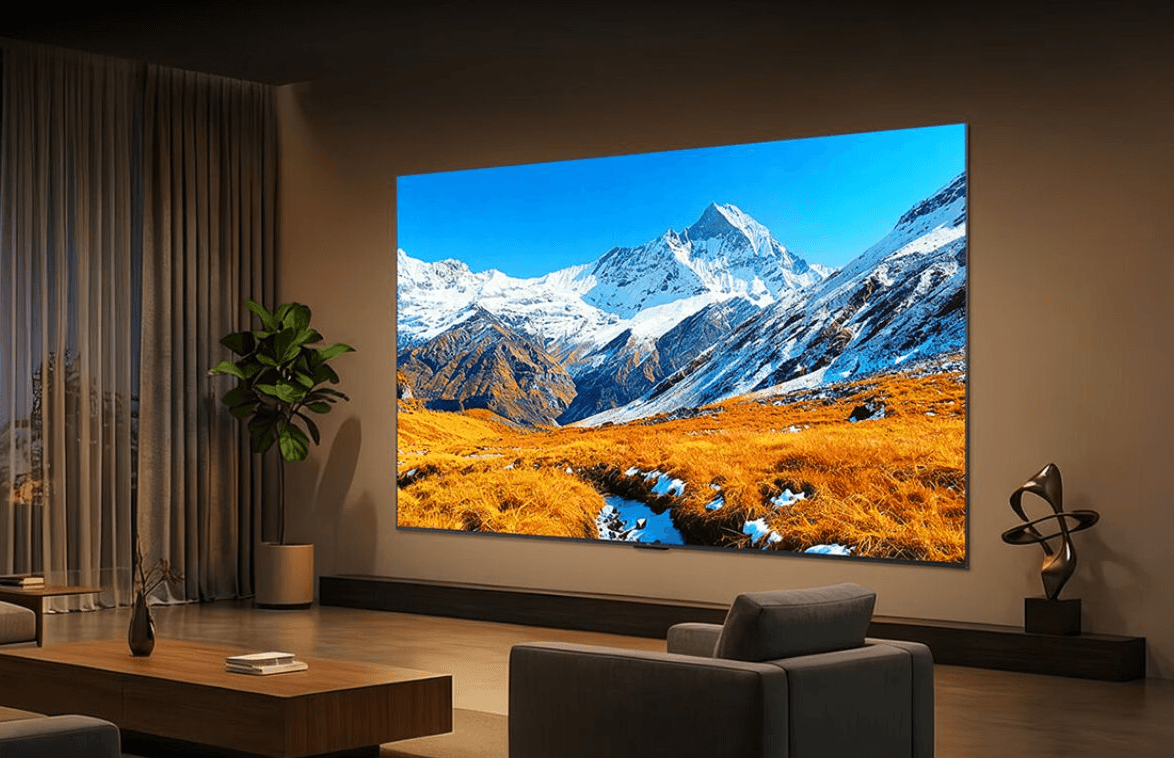
The display also supports native 4K resolution at 150Hz, with a high-refresh mode pushing performance up to 300Hz – targeting gamers and sports viewers seeking ultra-smooth motion.
The TV runs on a quad-core A73 processor paired with a G57 GPU, 4GB of RAM and up to 128GB of storage. TCL’s Lingkong UI 3.0 powers the software experience, offering an ad-free interface and AI-driven features such as content recommendations and image optimisation.
Audio is handled by an integrated Onkyo 2.1.2-channel system, complete with upward-firing speakers and a dedicated subwoofer, with support for Dolby Atmos and DTS:X.
Connectivity is also a focus, with four HDMI 2.1 ports (48Gbps), USB 3.0, dual-band Wi-Fi and gaming features including variable refresh rate (VRR).
The T7M Ultra builds on TCL’s broader push into SQD Mini-LED displays, which it positions as a competitor to emerging RGB LED technologies from rivals like Samsung and Hisense.
There’s no word yet on an Australian release, though TCL has historically brought many of its higher-end models to global markets following initial launches in China.