HP, Asus and Acer Turn to Chinese Memory Chips as Global Shortage Deepens
 Emma Wheaton
10 Aug 2026
Emma Wheaton
10 Aug 2026
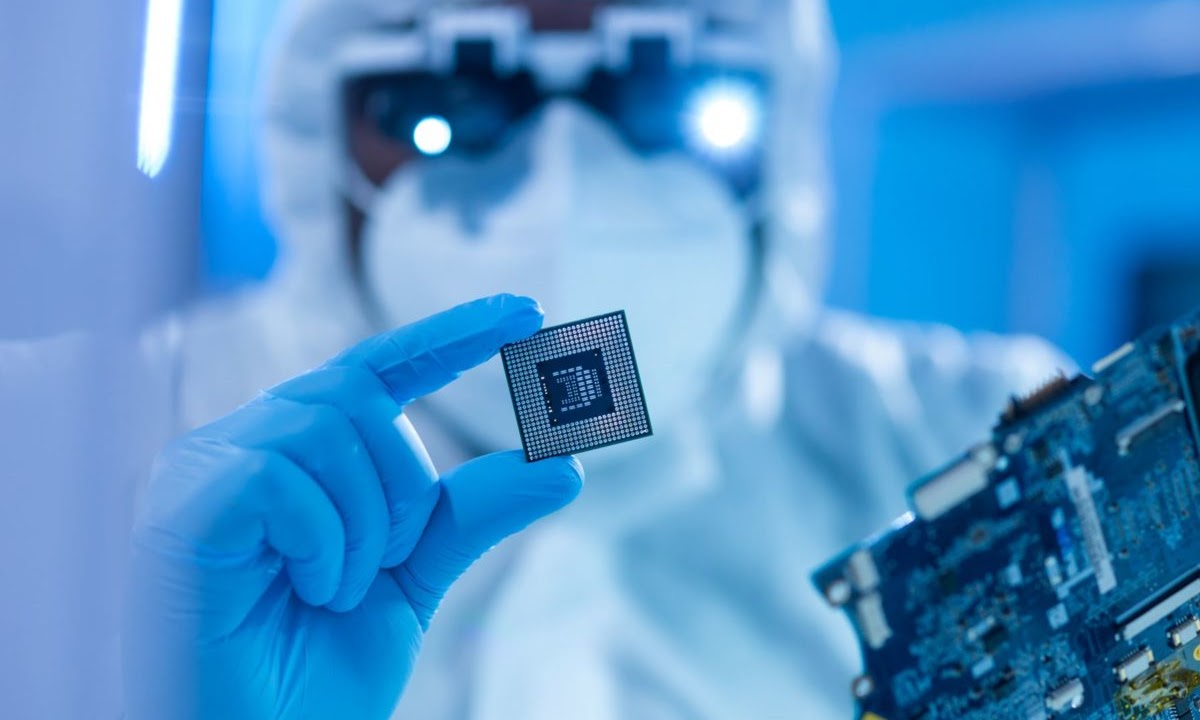
As the global shortage of memory chips worsens, HP, ASUS and Acer have turned to Chinese semiconductor manufacturer ChangXin Memory Technologies (CXMT).
According to reports, the three manufacturers have completed qualification of CXMT memory and are now using small quantities of the Chinese-made DRAM in selected notebook models as the global shortage of DRAM continues to squeeze PC companies.
The move marks a significant shift for the three major PC brands, which have traditionally relied heavily on established memory chip suppliers including Samsung, SK hynix and Micron.
The CXMT components are reportedly being used primarily in non-US markets, reflecting the growing geopolitical sensitivity surrounding Chinese semiconductor suppliers.
The change is being driven less by cost savings than by availability, with the global memory market facing severe supply constraints as AI data centres consume increasing amounts of DRAM and high-bandwidth memory.
CXMT’s emergence as an alternative supplier is significant because the global memory chip market has traditionally been dominated by Samsung, SK hynix and Micron, which together account for the overwhelming majority of global supply.
The shortage is already having a direct impact on PC economics, with memory prices rising sharply and manufacturers facing pressure to either increase retail prices, reduce specifications or absorb higher component costs.

For retailers, the memory crisis could make the traditional RAM specification increasingly important at the point of sale, particularly as consumers compare laptop models on price and performance.
The use of CXMT chips also highlights the growing importance of supply-chain flexibility for PC brands. However, the move carries geopolitical complications. CXMT has attracted scrutiny from US authorities because of concerns surrounding its links to China’s semiconductor and military sectors.
Acer has acknowledged its dynamic sourcing strategy, while the reported use of CXMT by HP and ASUS represents a cautious expansion of their supplier base.
The development also represents a major milestone for CXMT. It comes as China attempts to reduce its dependence on foreign semiconductor technology and establish a stronger position in the global memory market.