Sony Kills Off Physical PlayStation Games As Cash-Stripped EB Games Faces New Crisis
 David Richards
06 Jul 2026
David Richards
06 Jul 2026
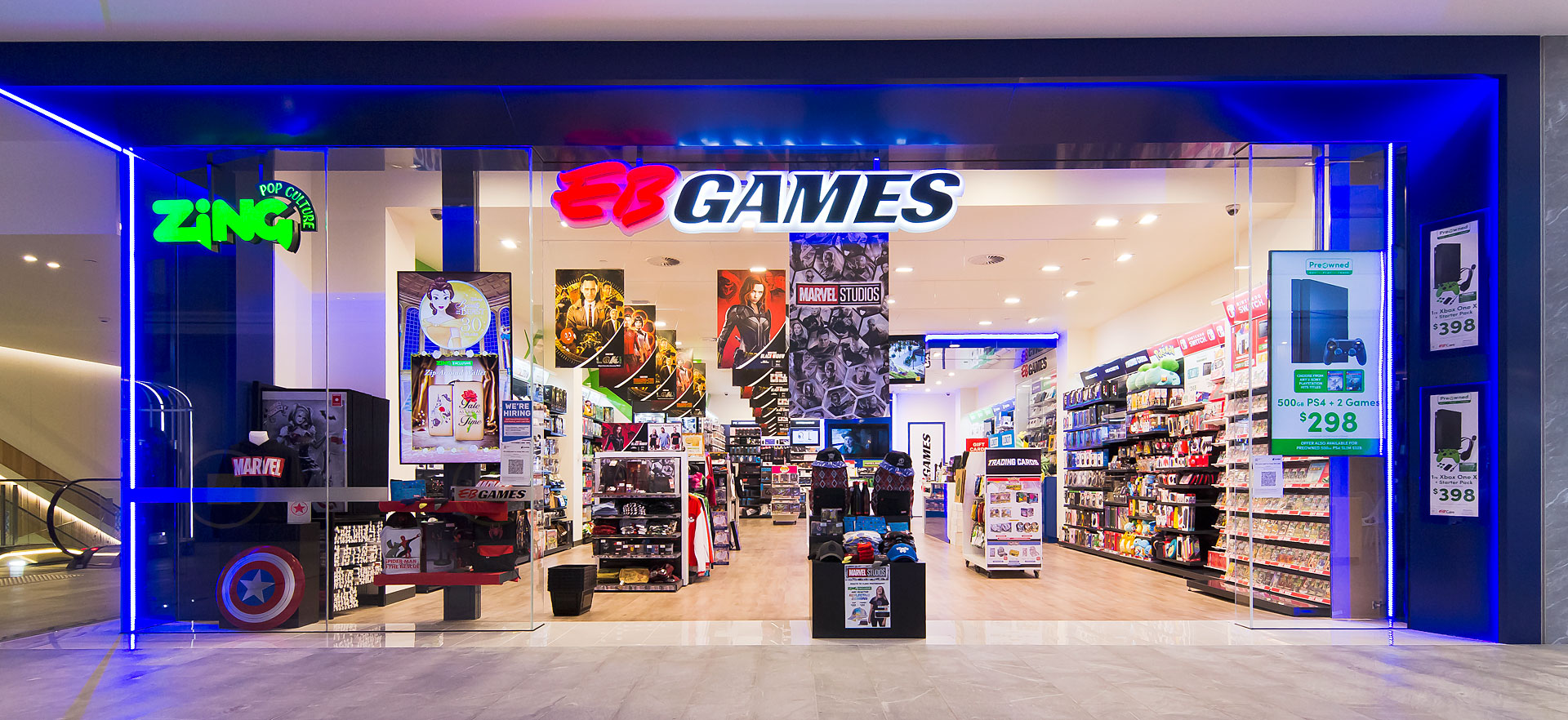
Sony Group has declared game over for physical PlayStation discs, a move that threatens to blow a fresh hole in the revenues of the already struggling EB Games while stripping sales from JB Hi-Fi and Big W, two retailers that have long banked on physical game software to drive store traffic.
From January 2028, all new PlayStation titles will be available as downloads only, with new game discs set to vanish from Australian store shelves entirely.
The decision marks a watershed moment for Australia’s retail gaming industry, handing Sony direct control over pricing and availability while cutting retailers, publishers and consumers out of a physical market that has underpinned the local games business for decades.
EB Games Exposed
No retailer is more exposed than EB Games, whose business model has long relied on physical software sales and a lucrative second-hand games trade that becomes impossible in an all-digital world.
The GameStop-owned chain is already under severe strain in Australia. The company has transferred almost $49 million in dividends and related payments to its US parent despite racking up $11.3 million in losses over two years, shutting down its entire New Zealand business and delaying payments to suppliers for months.
The numbers have raised serious concerns that cash is being funnelled to offshore shareholders at the expense of the stability of the local operation.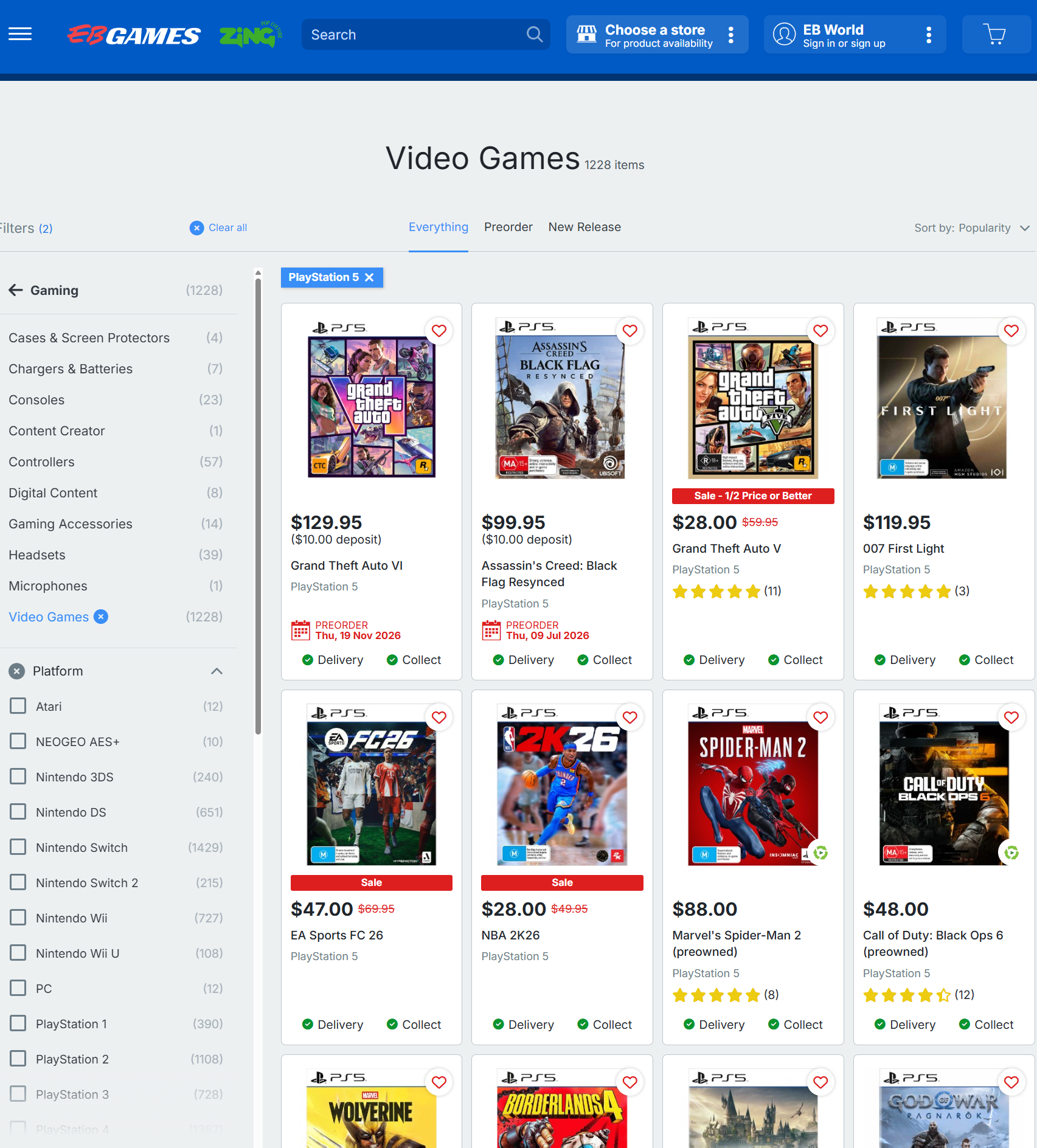
Sony’s move could hit hard after a $174 million revenue slump last year. Sales have reportedly continued falling through FY2026, and several Australian suppliers claim they have gone unpaid for months.
The New Zealand exit is now complete. RNZ reported in late May that closing the operation contributed to a full-year loss of $11.5 million, plus NZ$801,000 in severance payments and NZ$609,000 in accrued leave.
Parent Company Chasing A $56 Billion eBay Takeover
While its Australian arm bleeds, parent company GameStop, led by Ryan Cohen, is attempting to fund one of the biggest tech takeovers in years.
In May, GameStop lobbed a non-binding proposal to acquire 100 per cent of eBay at $125 per share in cash and stock, a 46 per cent premium to eBay’s unaffected price, after quietly building a stake through derivatives and direct holdings. A later filing shows GameStop now holds beneficial ownership of around 9 per cent of the online marketplace.
eBay’s board rejected the roughly $56 billion offer on May 12, branding it neither credible nor attractive, and questioning how a company with a $10.3 billion market cap intends to swallow a target valued at $48 billion.
Cohen’s funding case relies on about $9 billion in cash plus a non-binding $20 billion commitment letter from TD Securities, which is conditional on the combined entity retaining an investment-grade credit profile. Moody’s has flagged the deal as credit negative for eBay.
The bid has now turned hostile, with Cohen taking the offer directly to eBay shareholders while simultaneously announcing a US$2 billion buyback. As of late June, GameStop had reaffirmed its commitment to the deal and projected fiscal 2026 adjusted EBITDA above $600 million.
Cohen has claimed GameStop outlets, including EB Games stores in Australia, could be converted into authentication and fulfilment centres for eBay products, though critics question whether an ageing chain of game stores is credible infrastructure for a global e-commerce platform.
Adding to the circus, Cohen was banned from eBay in May after using the platform to sell personal items, including a pair of socks, in what appeared to be a publicity stunt tied to his funding claims.
The local story now sits at the intersection of a shrinking, cash-stripped Australian retailer and a parent company gambling on a mega deal to reinvent itself.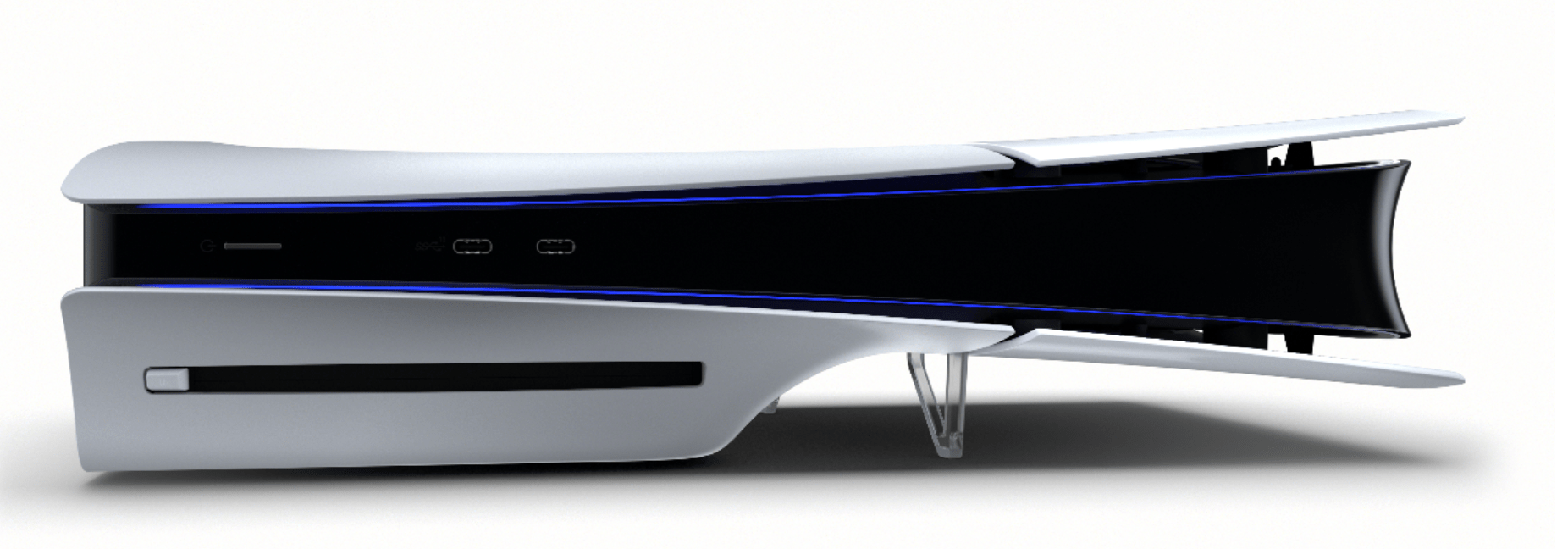
JB Hi-Fi And Big W Also In The Firing Line
The pain will not be confined to EB Games. JB Hi-Fi and Big W have both profited from physical game sales for years, with shelf space in electronics stores serving as a valuable point of contact with consumers and a driver of discovery and impulse purchases that an all-digital marketplace cannot replicate.
Some publishers are already moving to soften the blow. Rockstar Games, the developer behind the highly anticipated Grand Theft Auto VI, due for release in November, plans to replace physical discs in stores with packages containing download codes.
Hideki Yasuda of Toyo Research Advice says code-in-a-box products will become more widespread at electronics retailers such as JB Hi-Fi, and argues the overall impact of disc discontinuation may ultimately be limited.
That argument offers little comfort to businesses built around used-game sales. One second-hand game retailer has warned that the declining circulation of packaged software will eventually choke both the purchasing and resale of used games.
Consumers The Big Losers
Among those hardest hit will be Australian gaming consumers.
Digital games are effectively impossible to resell once completed, stripping players of a long-standing way to offset the cost of new purchases. Collectors who value physical editions as items to keep and display will also be left behind.
Nintendo has taken a different path with the Switch 2, selling some titles on key cards, cartridge-based products that initiate downloads to the console or storage devices without containing the game data itself. Unlike purely digital purchases, these cards can still be bought and sold.
Next-Generation PlayStation Looms
With the PlayStation 5 now more than five years old and speculation mounting about its successor, industry observers see the January 2028 cutoff as clearing the decks for Sony’s next console.
“There is a strong possibility that the next-generation PlayStation will be download-only,” Yasuda said.