Sonos Eyes $40M Tariff Refund as Turnaround Effort Tries to Reverse Years of Underperformance OZ Back On Top
 David Richards
06 May 2026
David Richards
06 May 2026
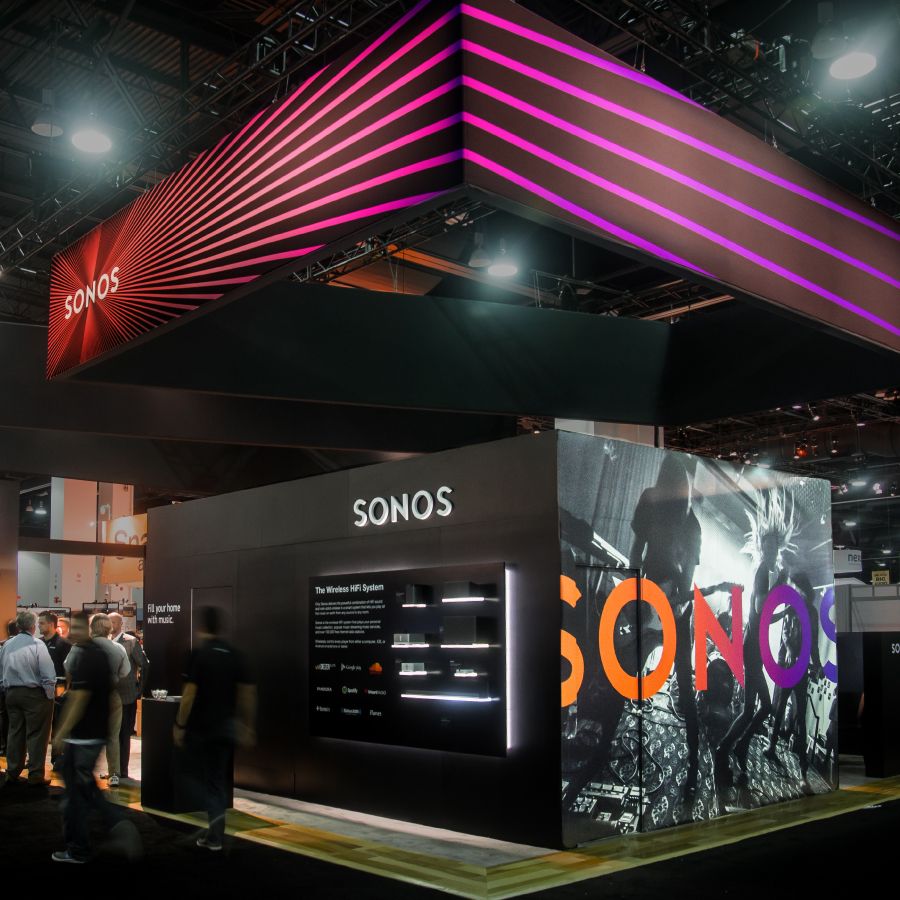
Sonos, a company that arguably should never have found itself in prolonged operational trouble, is now attempting to recover as much as US$40 million in tariffs paid during the Trump administration, funds that could partially offset mounting cost pressures after several years of strategic missteps and underwhelming execution, they are also facing a new head on threat from Bose whose brand is not damaged as much as that of ‘Sonos’.
The USA based audio maker, now operating under new CEO Tom Conrad, reported an 8% rise in quarterly revenue to US$282 million. But the topline growth comes against a backdrop of sustained underperformance, with shares still down 15% year to date prior to the latest results.
The company has also declined to clarify how much of the revenue increase stems from higher pricing linked to tariffs and cost inflation, rather than underlying demand.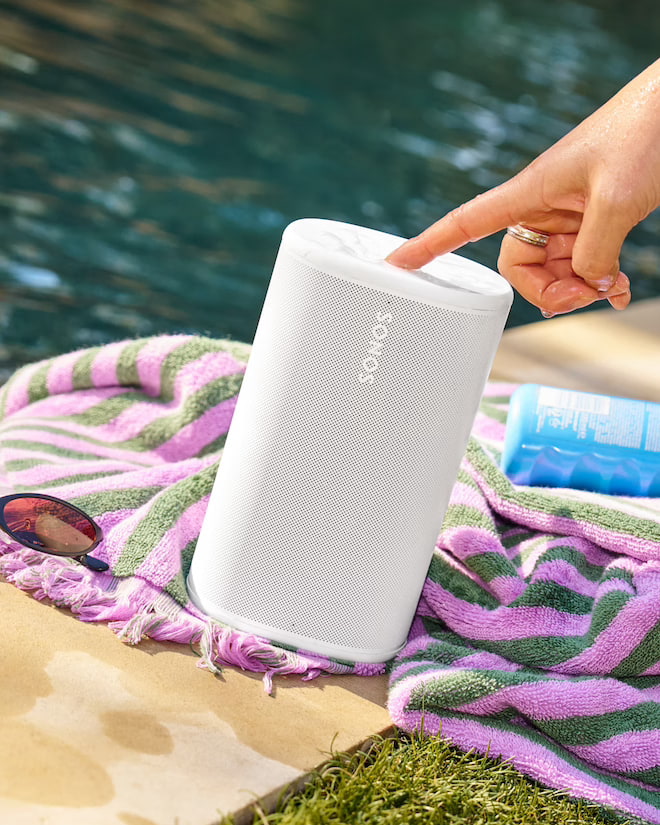
Regional performance highlights both recovery and context. In Asia Pacific, its strongest international segment, revenue rose to US$17.75 million from US$14.16 million a year earlier, while total revenue for the six months to March 26 reached US$45.10 million. While growth is evident, these figures underscore the relatively modest scale of Sonos’ international footprint compared to larger consumer electronics rivals.The modest rebound follows a turbulent period marked by management instability and a widely criticised software rollout that disrupted the user experience and dented customer confidence. That episode, coupled with a prolonged slowdown in hardware innovation, contributed to stalled growth and eroded market momentum in recent years.
Even with the latest gains, Sonos is effectively rebuilding from a weakened base. The company only resumed new product launches late in the quarter with the introduction of the Sonos Play portable speaker and Era 100 SL, ending an extended gap in hardware releases that had left it exposed to more aggressive competitors.
Regional performance highlights both recovery and context. In Asia Pacific, its strongest international segment, revenue rose to US$17.75 million from US$14.16 million a year earlier, while total revenue for the six months to March 26 reached US$45.10 million. While growth is evident, these figures underscore the relatively modest scale of Sonos’ international footprint compared to larger consumer electronics rivals.
The potential US$40 million tariff refund, disclosed during the company’s fiscal second quarter earnings call, is tied to a broader US government reimbursement program following a Supreme Court decision that struck down sweeping global tariffs. However, Conrad cautioned that the timing of any repayment remains “uncertain,” limiting its immediate financial impact.
Cost pressures remain a concern. A global memory chip shortage has continued to push up component prices, though Sonos claims it has been preparing since early 2025 by optimising memory usage across its product line. Conrad said supply conditions are stable for now, but the broader environment remains volatile.
The Company is also facing stiff new competition from Bose with Australian audio retailers telling ChannelNews that they are keen to see and sell the new Bose audio offering. 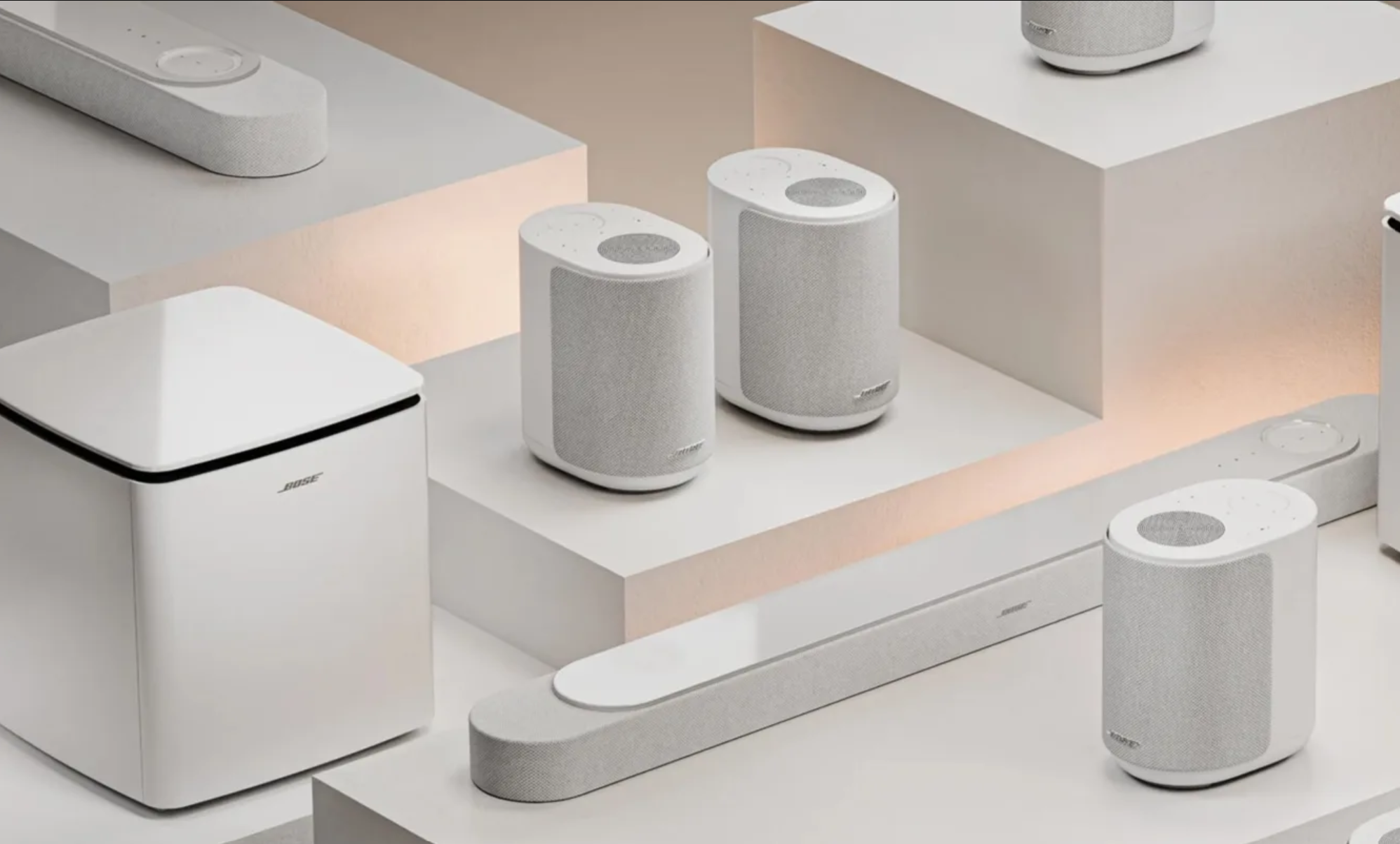
“The Bose brand has clout” said one dealer.
Leadership changes at Sonos are now are central to the turnaround narrative. The company recently appointed former Walmart executive Frank Barbieri as chief operating officer, a move aimed at tightening operational discipline after years of uneven execution. Conrad described the hire as critical to scaling the business more effectively.
Despite management’s optimism, framing the latest quarter as “an important turning point”, Sonos still faces the challenge of restoring credibility. Its software platform, once a differentiator, became a liability during the earlier app debacle. The company is now taking a more cautious approach to updates, with plans for extensive beta testing before rolling out improvements.
Looking ahead, Sonos is forecasting third quarter adjusted EBITDA between US$20 million and US$48 million, signalling cautious expectations rather than a full recovery.
Longer term, the company is betting on expanding its ecosystem. Management estimates that increasing the average number of devices per household from 4.5 to six could unlock a US$5 billion revenue opportunity, with a further US$7 billion tied to converting single device users into multi product customers. However, achieving this will depend on rebuilding consumer trust after prior missteps.
Sonos is also positioning itself in the emerging AI driven home ecosystem, arguing it has a structural advantage given its installed base of connected audio devices. Whether that translates into meaningful growth remains uncertain.
For now, the company’s latest results suggest early signs of stabilisation, but after years of underperformance, the path back to sustained growth remains far from assured.