Smartphone War Erupts As TCL Takes On Motorola, Samsung In Australian Market
 David Richards
02 Nov 2026
A major battle for Australia’s Android smartphone market is set to erupt this week, with Chinese technology giant TCL preparing to launch its latest NXTPAPER smartphones just 24 hours before former market rival Motorola unveils a new premium flagship designed to take on Samsung.
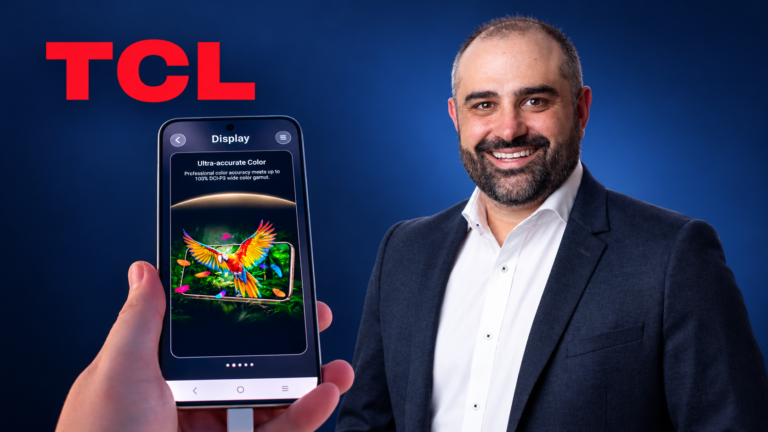
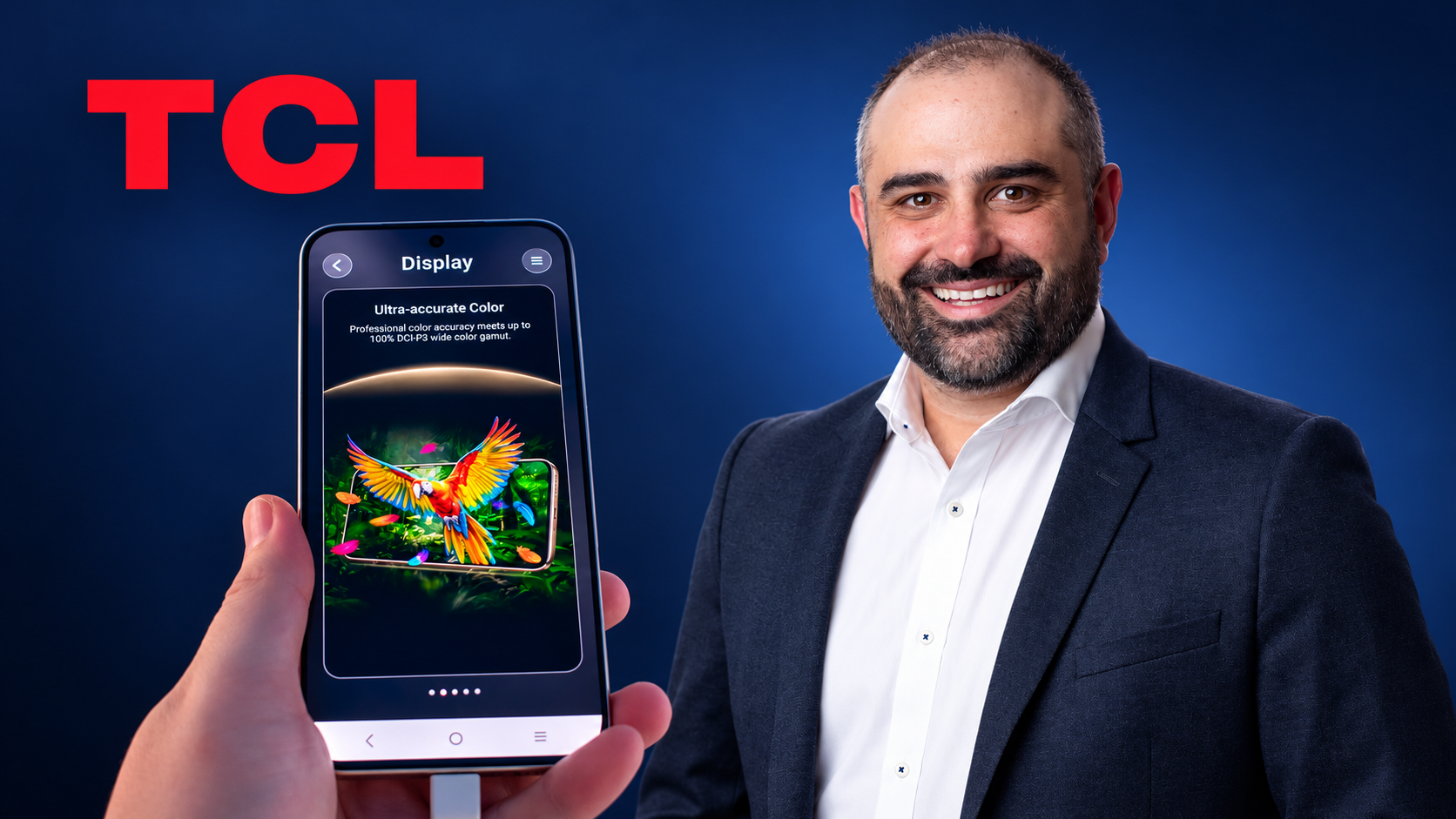
The November 4 TCL launch will also bring a personal dimension to the battle, with former Motorola Australia and Asia Pacific executive Kurt Bonnici now spearheading TCL’s renewed assault on the Australian smartphone market.
Bonnici, who previously helped build Motorola’s local business, is now attempting to replicate that success at TCL, a company that has struggled to establish a meaningful position in Australia’s competitive smartphone market.
The TCL launch comes just a day before Motorola is expected to unveil its new Signature 27 smartphone globally, with reports pointing to a 165Hz AMOLED display, a massive 7,000mAh battery and Qualcomm’s Snapdragon 8 Elite Extreme Gen 6 processor.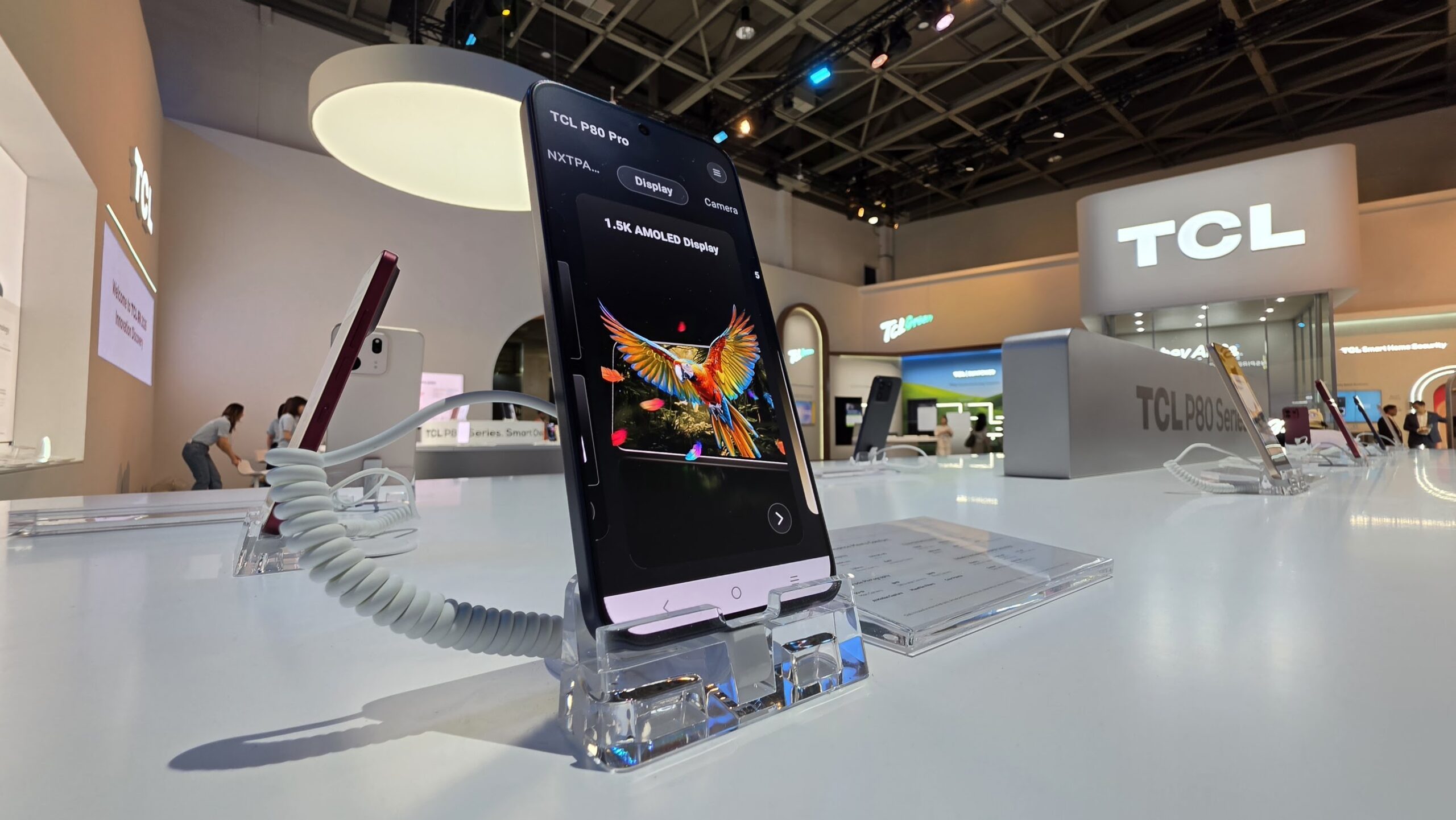
If confirmed, those specifications would position Motorola’s latest device firmly in premium Android territory, where Samsung has traditionally dominated alongside Apple at the upper end of the Australian smartphone market.
The timing of the two launches highlights an increasingly aggressive battle between Chinese-owned smartphone brands attempting to capture market share from Samsung, particularly as Australian consumers become more selective about upgrading their devices.
For TCL, the challenge is not simply competing with Samsung. It must also take on a revitalised Motorola, which has spent several years rebuilding its brand, distribution and credibility with Australian consumers.
ChannelNews has been briefed on TCL’s new smartphone offering but is unable to disclose details ahead of the November 4 embargo.
What is clear is that TCL is preparing to make its NXTPAPER display technology a central part of its Australian smartphone strategy, using its expertise in screens to differentiate its devices from competing Android handsets.
However, display technology alone may not be enough to convince consumers to switch brands, particularly when Motorola is increasingly delivering premium hardware, distinctive designs and competitive pricing.
Former Motorola Executive Leads TCL Fightback
The battle has taken on added significance following Bonnici’s move to TCL after the company overhauled its Australian smartphone operations.
TCL, which previously sold Alcatel-branded smartphones in Australia, has undergone significant management and operational changes, including the relocation of its local operation from Sydney to Melbourne.
Bonnici has moved to rebuild retailer relationships, overhaul distribution arrangements and secure support for a new generation of TCL smartphones.
ChannelNews understands that retailer incentives have formed part of TCL’s strategy to secure distribution and shelf space for its latest devices.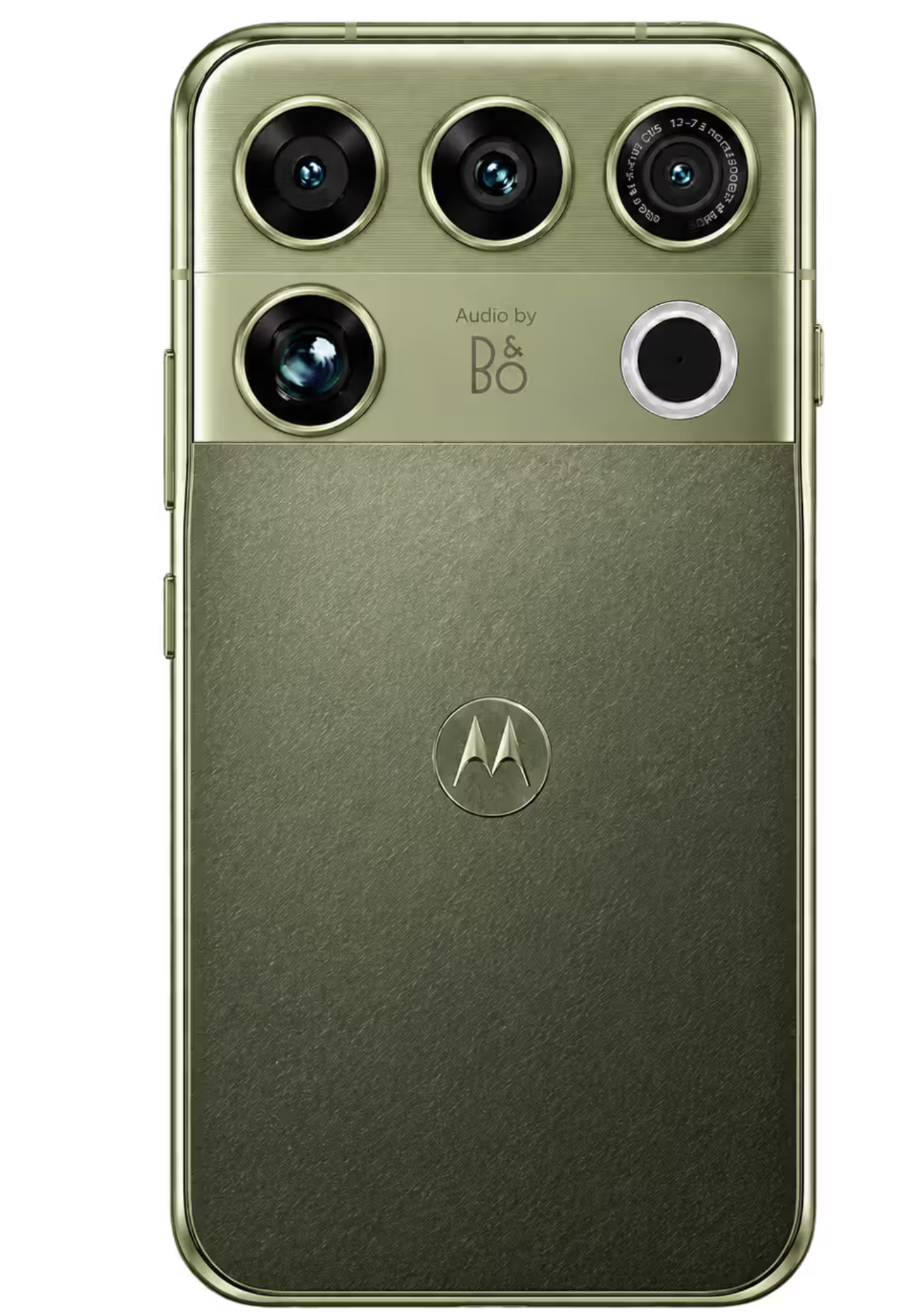
The challenge for Bonnici is to convince retailers that TCL can generate sustainable sales in a market where Apple and Samsung dominate consumer spending and Motorola has already established itself as a credible third alternative.
It is a challenge he knows well, having previously worked with Motorola as the Lenovo-owned brand rebuilt its Australian smartphone presence.
Motorola Moves Upmarket As Samsung Faces New Threat
Motorola’s strategy has changed significantly from the days when the brand was primarily associated with inexpensive Moto G smartphones.
Backed by Chinese technology giant Lenovo, Motorola is increasingly targeting premium Android buyers with its Razr foldables, Edge smartphones and new Signature devices.
Its latest reported flagship specifications suggest the company is determined to compete directly with Samsung’s Galaxy S26 range.
The reported 165Hz AMOLED display would offer a higher refresh rate than the 120Hz panels commonly found in premium smartphones, while the 7,000mAh battery could become a significant selling point for consumers increasingly concerned about battery life.
A reported Australian launch price of approximately $1,499 would also position the device as a potentially attractive alternative to more expensive flagship smartphones.
Motorola has been building its premium credentials through industrial design, aggressive hardware specifications and partnerships with established lifestyle and technology brands.
These include Pantone, Bose and Swarovski, which Motorola has used to differentiate its devices from Samsung’s more technology and ecosystem-focused approach.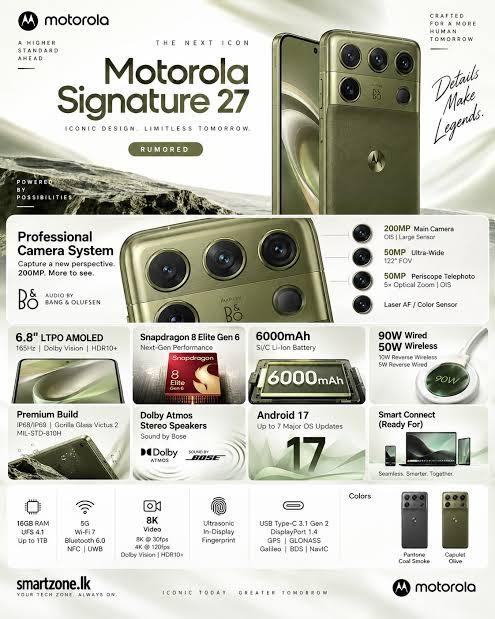
Counterpoint Research reported that Motorola’s premium smartphone sales increased 10% year-on-year in 2025, supported by demand for Razr foldables, wider distribution and competitive pricing.
The growth is significant for a brand that has historically generated much of its smartphone volume from budget and mid-market devices.
Motorola’s challenge now is converting growing awareness of its premium products into sustained market share gains, particularly in Australia.
Australian Smartphone Market Worth Fighting For
Australian smartphone sales data provides a compelling explanation for why Motorola is investing in more expensive devices.
According to market figures attributed to Telsyte, approximately 3.87 million smartphones were sold in Australia during the first half of 2026, with 56% of devices costing more than $1,000.
Apple accounted for approximately 49.4% of smartphone unit sales, while foldables represented around 5% of annual Australian smartphone sales dominated by Samsung.
Telsyte identified Apple, Samsung and Motorola among Australia’s leading smartphone vendors during the first half, with Motorola and Oppo competing closely for third position.
For Motorola, the figures highlight the potential rewards of moving beyond its traditional budget smartphone business.
However, the available figures do not establish how much of Motorola’s Australian sales are generated by premium Razr and Edge devices compared with its cheaper Moto G range.
Motorola also has a significant distribution advantage through its relationships with Telstra, JB Hi-Fi and Harvey Norman.
These channels provide access to customers purchasing smartphones outright, on carrier plans and through major consumer electronics retailers.
The company’s premium strategy could also deliver higher average selling prices if existing Moto G customers can be persuaded to upgrade to Edge, Signature and Razr models.
TCL Bets On NXTPAPER To Win Over Consumers
TCL is pursuing a different strategy.
Rather than attempting to compete directly with Samsung’s most expensive flagship devices, the company is targeting consumers who want premium smartphone features without spending more than $1,000.
Its biggest opportunity could be the $400 to $900 segment, where consumers are increasingly looking for better displays, larger batteries, capable cameras and AI features without paying flagship prices.
TCL’s NXTPAPER technology is central to this strategy.
The company’s latest display developments combine AMOLED characteristics with technologies designed to reduce reflections and provide specialised reading modes.
This gives TCL a potential point of differentiation that retailers can demonstrate in stores rather than relying entirely on price discounting.
The company’s P80 Ultra has already attracted attention ahead of its Australian introduction, while reviews of earlier NXTPAPER devices have highlighted display quality and value as strengths.
However, reviewers have also identified limitations in camera versatility and processing performance compared with more expensive smartphones.
TCL faces additional questions over software functionality, long-term operating system support and after-sales service.
These are areas where Samsung has invested heavily, and where Motorola has also been attempting to improve its competitive position.
TCL must demonstrate that its smartphones can deliver more than attractive hardware specifications and innovative displays if it wants to establish long-term consumer confidence.
The company does have one advantage: its existing presence in Australian consumer electronics through televisions and appliances, which provides established retailer relationships and broader brand recognition.
Whether that recognition can translate into smartphone sales remains to be seen.
Retailers Could Be The Biggest Winners
For Australian retailers, the growing competition between Samsung, Motorola and TCL could deliver significant commercial benefits.
More credible alternatives to Samsung would give retailers greater flexibility when negotiating promotional support, marketing investment and product ranging.
Motorola’s premium push could increase revenue per handset, particularly if consumers trade up from lower-priced devices.
TCL, meanwhile, offers the prospect of higher-volume sales among consumers unwilling to spend $1,000 or more on a smartphone.
The company’s success will depend heavily on whether retailers allocate sufficient shelf space, train staff to demonstrate NXTPAPER technology and actively promote the devices against established competitors.
ChannelNews understands that Bonnici has already secured support from major retail partners as part of TCL’s renewed Australian push.
But retailer support alone will not guarantee success.
Samsung continues to enjoy substantial advantages in brand recognition, global scale, software support, distribution and its broader Galaxy ecosystem.
Motorola is now challenging that position with increasingly sophisticated premium smartphones, while TCL is attempting to capture consumers who want better technology at lower prices.
The result could be a two-front battle for Motorola, with Samsung defending the premium market and TCL attempting to take sales from value-conscious Android buyers.
For Bonnici, the challenge is particularly personal.
Having previously helped Motorola establish its position in Australia, he is now attempting to build a rival capable of taking sales from the very brand he once represented.
With TCL launching on November 4 and Motorola expected to follow on November 5, the next phase of Australia’s Android smartphone battle is about to begin.