Apple Hit By ‘Crackgate’ Foldable Crisis As Foxconn Insiders Claim Quality Standards Were Lowered, Samsung Cashes In
 David Richards
02 Nov 2026

Production problems, allegations of relaxed factory inspections and reports of new cracked displays are threatening Apple’s $3,599 foldable iPhone launch, while arch-rival Samsung moves to exploit the controversy.
Apple is facing a growing controversy over its new $3,599 iPhone Duo, with allegations emerging that manufacturing partner Foxconn relaxed inspection standards to meet production targets as customers began reporting cracked displays on the company’s first foldable smartphone.
The allegations, attributed to sources close to Apple’s manufacturing operations, raise serious questions about quality control, production yields and whether pressure to get the new device into stores contributed to the problems now being reported by owners.
The controversy, already being labelled “Crackgate”, could prove particularly damaging for Apple, which has entered the foldable smartphone market years after Samsung and other Android manufacturers.
Shortly after the iPhone Duo went on sale on October 23, customers began posting images of cracked inner displays, bright lines across screens and apparent failures around the device’s hinge.
Among the early reported cases was an Australian customer who claimed to have heard an audible crack before discovering damage to the inner display. The customer subsequently obtained a replacement from an Apple Store.
Additional complaints have since surfaced, although the total number of affected devices remains unknown.
What is potentially more damaging for Apple are claims emerging from its manufacturing supply chain.
Chinese publication Jiemian News has cited sources close to Foxconn who claim production yields for the new foldable are running at approximately 60%, with mature production yields potentially six to twelve months away.
Separate allegations that inspection standards were lowered to maintain supply have not been independently substantiated.
If confirmed, the claims would raise significant questions about whether Apple and its manufacturing partners prioritised launch volumes over quality control as they raced to bring the Duo to market.
The reported problems come as Apple battles to secure sufficient components for a device that is substantially more complicated to manufacture than a conventional iPhone.
Supply chain sources have put Apple’s 2026 production target at between six million and eight million units, considerably below the volumes associated with established flagship iPhone ranges.
For Apple, the problem is not simply the cost of replacing defective devices. It is the potential damage to consumer confidence in a new product category where durability remains one of the biggest concerns for buyers.
Samsung Moves To Exploit Apple’s Problems
While Apple battles reports of cracked displays and manufacturing difficulties, Samsung is attempting to turn its rival’s troubled entry into foldables into a commercial advantage.
The South Korean manufacturer, which has spent years developing foldable smartphones, is benefiting from the additional consumer attention Apple has brought to the category.
Much of that momentum began before the reported Duo display failures.
Apple’s September 9 unveiling generated fresh interest in foldable devices, with some consumers apparently turning to Samsung’s established Galaxy Z Fold range rather than waiting for Apple’s more expensive alternative.
Samsung has also wasted little time taking aim at its rival’s engineering and design.
A Samsung-sponsored Instagram video features a green apple being cut in half, with the two halves failing to fold together.
The Galaxy Z Fold 8 then appears, accompanied by claims that Samsung’s device is 1.6mm thinner and 53 grams lighter than Apple’s offering.
The advertisement finishes with the pointed message: “Years Ahead In Foldables.”
Although the video was distributed through a paid creator partnership rather than as a conventional corporate advertisement, the competitive message is unmistakable.
It follows an earlier Samsung New Zealand campaign featuring a character described as “Tim Cook from Palmerston North” praising the Galaxy Z Fold 8.
Samsung is clearly positioning its years of foldable development as an advantage over Apple, particularly as questions emerge about the durability of the Duo’s hinge and inner display.
Samsung Sales Climb, But Australian Management Remains Silent
Samsung’s international operations have reported increased consumer interest and stronger foldable sales following Apple’s entry into the category.
In South Korea, reports indicate Galaxy Z Fold 8 sales increased 10% week-on-week following Apple’s September 9 announcement.
In Europe, Samsung has reported that sales of the Galaxy Z Fold 8 and Fold 8 Ultra are running 45% ahead of the previous Fold 7 generation.
Search activity for foldable smartphones reportedly jumped 460% during the Duo launch week.
Samsung’s UK mobile vice-president has also told Forbes that demand increased following Apple’s announcement, with search interest climbing 300%.
However, these figures largely originate from Samsung or Korean industry reports and do not include sufficient underlying unit volumes to establish the full scale of the sales increase.
They also do not establish how much of Samsung’s growth can be attributed directly to Apple’s reported hardware problems.
What is clear is that Apple’s arrival has generated renewed attention for foldable smartphones, potentially benefiting a competitor that already has established products in stores.
In Australia, Samsung’s communications management has declined to disclose actual local foldable sales figures, despite other Samsung subsidiaries releasing growth statistics.
The refusal leaves unanswered questions about whether the international sales momentum is being replicated in the Australian market and how many Galaxy foldables Samsung is actually selling locally.
It also makes it difficult to determine whether Australian consumers are switching from Apple to Samsung or simply showing greater interest in the category.
Apple’s Supplier Problems Could Also Hit Samsung
There is another twist in the growing controversy.
Samsung is not simply Apple’s biggest competitor in foldable smartphones. Its display business is also a supplier to Apple.
Samsung Display has reportedly been among the companies affected by the production difficulties surrounding the Duo.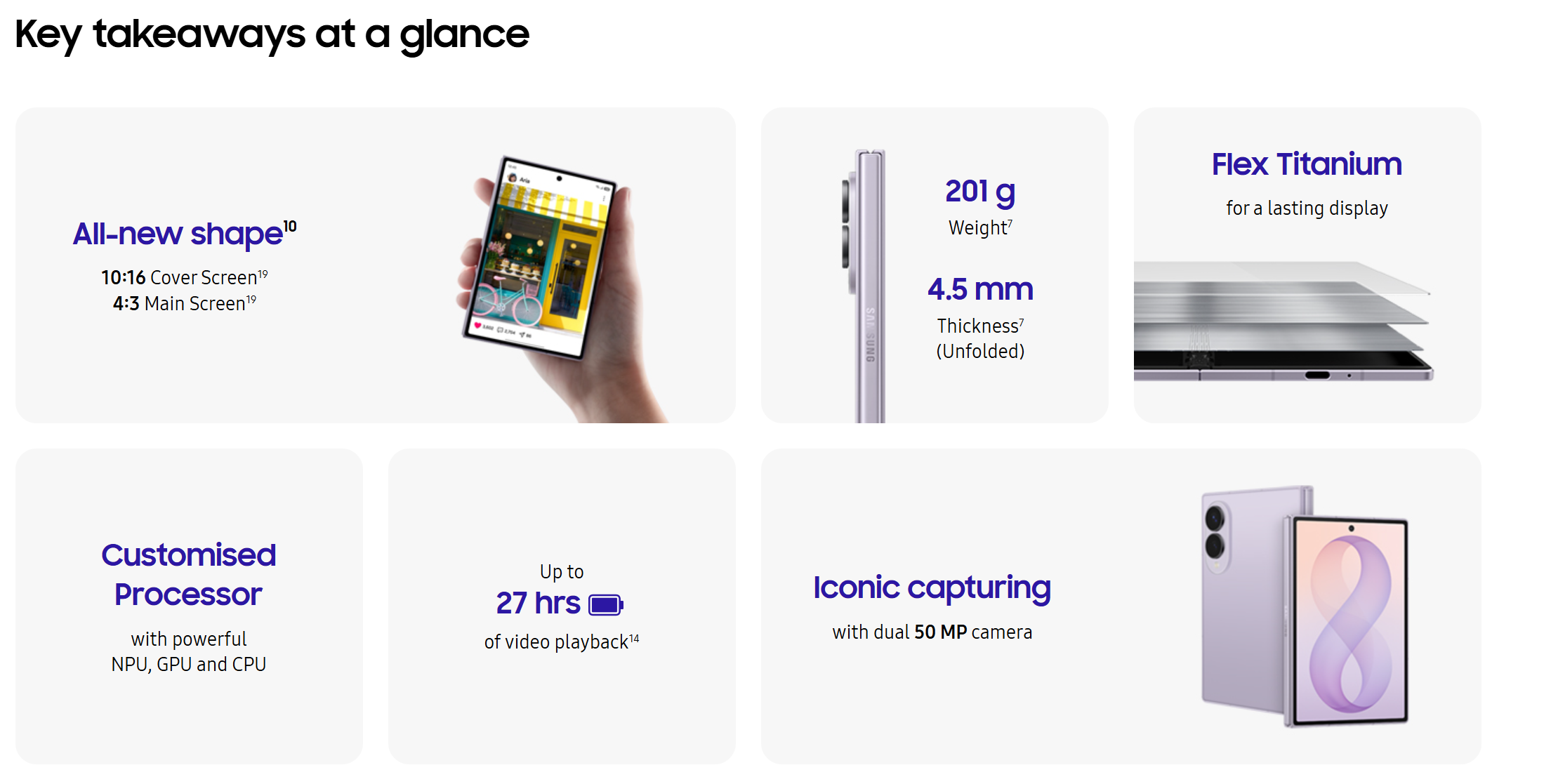
This creates an unusual commercial situation in which Samsung’s smartphone division could benefit from problems affecting a device that another part of the Samsung group helps manufacture.
Hinge supplier Fine M-Tec has also been drawn into the controversy, reportedly rejecting suggestions that its components are responsible for the failures and considering legal action against media organisations over claims about its involvement.
The competing claims highlight the complexity of establishing precisely where responsibility lies for the reported failures.
Apple has not publicly identified the underlying cause of the cracking complaints.
The company has been quoted as acknowledging an issue affecting the inner displays of a small number of devices and advising affected owners to contact AppleCare for replacements.
However, Apple has not disclosed how many devices are involved, whether the problem is related to the hinge, display materials or assembly process, or whether any manufacturing changes are being implemented.
Apple’s Premium Reputation Faces A Major Test
The timing of the controversy is particularly embarrassing for Apple.
The company entered the foldable market promising the engineering expertise and premium finish that have helped establish the iPhone as one of the world’s most successful consumer technology products.
Apple CEO John Ternus had previously dismissed early Android foldables as “kind of cheap and crappy”, a remark that now risks being turned against the company as reports of failures emerge involving its own first-generation device.
At $3,599, the Duo is a major investment for consumers, particularly when Samsung is offering an established alternative backed by several generations of foldable development.
For retailers, the immediate questions are whether the reported failures will translate into higher return rates, replacement demand and consumer hesitation over a product carrying one of the highest price tags in the smartphone market.
For Apple, the bigger issue is whether it can resolve the reported production difficulties before they undermine the launch of what was supposed to be a major new growth category.
Samsung, meanwhile, has an opportunity to capitalise on the publicity surrounding Apple’s entry into foldables, even as its own component business remains exposed to the success or failure of the Duo.
The next test will be whether Apple can demonstrate that the reported display failures are isolated incidents, or whether Crackgate develops into a wider manufacturing and reputational problem.
Until Apple discloses the scale and cause of the failures, questions over the durability of its $3,599 foldable are unlikely to disappear.