Smartphone Scandal: Manufacturers Accused Of Using Secondhand Memory Chips In New Phones
 David Richards
13 Nov 2026

A major controversy is emerging in the global smartphone industry, with budget handset manufacturers accused of installing recycled memory chips recovered from old smartphones and discarded circuit boards into brand-new devices, potentially without telling consumers.
The practice is reportedly being driven by soaring memory prices as semiconductor giants Samsung Electronics and SK hynix increasingly prioritise lucrative artificial intelligence and data centre customers over manufacturers of low-cost smartphones.
Research group TrendForce claims recycled memory chips, including components recovered from scrapped electronic devices, could account for as much as 9% of memory used in new smartphone models in 2027.
The revelations raise serious questions about component reliability, product quality and whether consumers purchasing new smartphones are being told that some of the critical components inside their devices have already been used.
The controversy centres on a process known as reballing, in which memory chips are removed from old circuit boards, cleaned and fitted with new solder connections before being installed in another device.
Some budget smartphone manufacturers are reportedly sourcing these components through grey-market recycling operations to reduce production costs.
The practice is believed to be particularly prevalent among manufacturers of entry-level 4G smartphones, where margins are already extremely thin.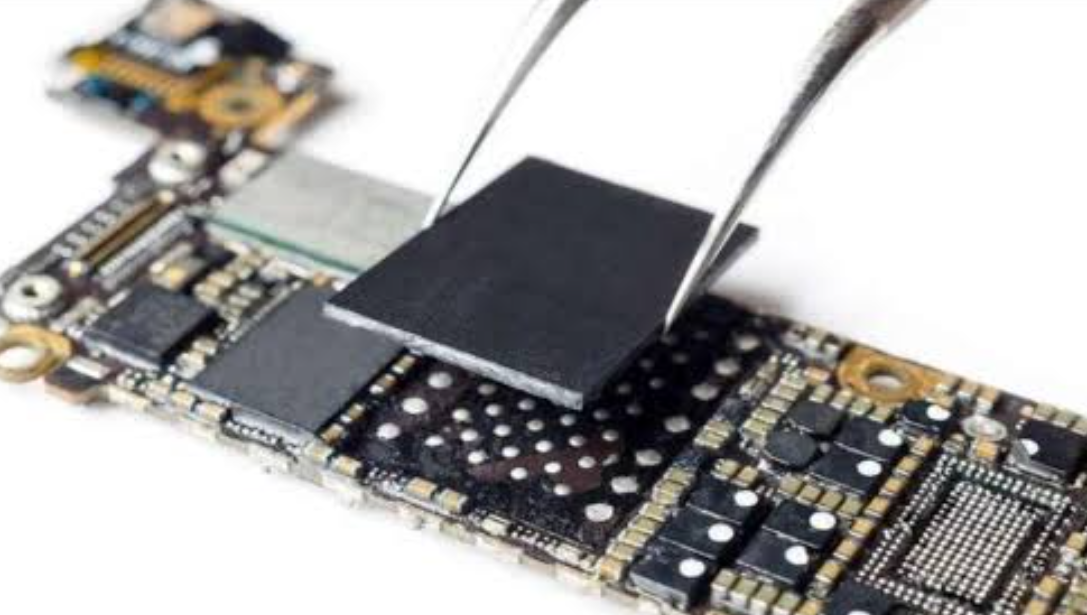
However, the brands allegedly using secondhand components have not been publicly identified, and there is no evidence that the practice is widespread among major global smartphone manufacturers.
Memory Costs Explode As AI Industry Takes Priority
The problem is being compounded by a dramatic increase in the cost of DRAM and NAND memory, two essential components used in virtually every smartphone.
According to Counterpoint Research analyst Jan Stryjak, memory now accounts for as much as 54% of the bill of materials in ultra-low-cost smartphones, compared with just 20% in the third quarter of 2025.
That represents a major shift in the economics of manufacturing budget smartphones.
The components most commonly being recovered are reportedly 4GB LPDDR4X DRAM chips, based on a memory standard introduced almost a decade ago but still widely used in inexpensive handsets.
Samsung Electronics and SK hynix, two of the world’s largest memory suppliers, have increasingly directed investment and production capacity towards higher-margin memory products used in AI servers and data centres.
The shift has tightened supplies of older memory technologies, leaving manufacturers of entry-level smartphones facing higher costs and difficulty securing sufficient components.
Some manufacturers have responded by increasing retail prices, reducing memory specifications or cutting production.
Others are reportedly turning to recovered components as a cheaper alternative.
Can Secondhand Memory Be Trusted?
While recycled DRAM chips can potentially operate as effectively as new components, semiconductor reliability specialists warn that the process of recovering and reinstalling them introduces risks that consumers may never know about.
Unlike NAND flash storage, which has a finite number of write cycles, DRAM does not generally suffer the same type of wear from everyday use.
However, the process of removing memory chips from discarded electronics can damage components.
During reballing, chips are subjected to high temperatures to detach them from their original circuit boards before new solder connections are installed.
This can create microscopic cracks, particularly if moisture has entered the chip packaging.
There is also no guarantee that a recovered chip has not previously been exposed to excessive heat, electrical stress or other damaging operating conditions.
A semiconductor packaging and reliability engineer, speaking anonymously to The Korea Herald, warned that simply checking whether a recovered chip works when installed in a smartphone is insufficient.
“Just because a DRAM chip has been used for five years doesn’t mean it only has five years left,” the engineer said.
“The problem is that you don’t know what it’s been through.”
According to the engineer, proper testing must include checks for memory retention under high temperatures, voltage stability, memory errors and the integrity of solder connections.
Failure in any of these areas could result in smartphones unexpectedly crashing, freezing or potentially losing data.
The testing also adds costs, reducing the financial benefits of using recycled components.
“Saving a few dollars means little if you end up spending more on repairs and defective units,” said Kim Rok-ho, senior research analyst at Hana Securities.
Samsung Better Positioned As Chinese Smartphone Brands Face Pressure
The memory shortage is also reshaping competition between major smartphone manufacturers, with Samsung potentially benefiting from its scale and established component supply relationships.
According to Counterpoint Research, global smartphone shipments fell 20% year-on-year in the third quarter, while Samsung shipments declined by just 3%.
That performance reportedly lifted Samsung’s global smartphone market share to 23%.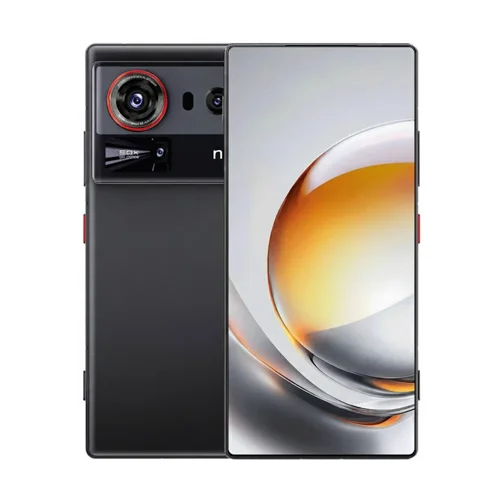
Counterpoint analyst Shilpi Jain said stable component supplies had helped Samsung maintain shipments of its mid-range Galaxy A series in emerging markets, where some Chinese smartphone manufacturers had reduced their presence.
“Stable component supply supported the mid-range A series in emerging markets as some Chinese brands reduced their presence,” Jain wrote in an October 12 report.
For smaller manufacturers, the consequences could extend well beyond the current memory shortage.
Omdia analyst Lucas Zhong warned that reducing smartphone production to protect profit margins could result in manufacturers surrendering market share that would be difficult to recover.
“Scaling back shipments to protect margins carries long-term risks,” Zhong said, warning that lost market presence could take years to rebuild.
Even Samsung Is Feeling The Pressure
Despite being one of the world’s largest memory manufacturers, Samsung is not immune to the impact of rising semiconductor prices.
The company’s smartphone business must compete with external customers for components, while its semiconductor division has a commercial incentive to maximise returns from increasingly expensive memory.
“The semiconductor business could sell the same memory to outside customers at higher prices,” Kim said.
“Making your own chips doesn’t make the cost pressure disappear.”
The company’s reported third-quarter results illustrate the growing divide between the profitability of AI-driven semiconductor operations and the increasingly difficult economics of producing smartphones.
According to the supplied earnings figures, Samsung’s semiconductor business generated A$158bn in revenue in the last quarter and A$114.5bn profit while their Mobile and Networks division delivered A$40.5bn in revenue and a A$645m loss.
Higher component costs were identified as a contributing factor to the pressure on smartphone margins.
Those figures require confirmation against Samsung’s official financial disclosures.
Analysts believe Samsung may be prepared to sacrifice some smartphone profitability to maintain market share and protect its global retail distribution network.
“Samsung could accept lower margins to hold on to market share,” Kim said.
“But keeping its distribution network and brand presence intact could put it in a better position when the market recovers.”
Consumers Could Be Left In The Dark
The emerging controversy raises another issue for smartphone manufacturers: transparency.
Consumers buying a new smartphone would ordinarily expect its critical electronic components to be new unless otherwise disclosed.
While recycled memory is not necessarily defective, manufacturers using recovered chips face questions about testing standards, product warranties and whether buyers should be informed.
There is currently no evidence that Samsung or other leading global smartphone brands are installing recovered memory chips in their new devices.
TrendForce also expects recycled memory to remain a relatively small proportion of total mobile DRAM demand.
Nevertheless, with AI infrastructure investment continuing to place pressure on memory supplies, the financial incentive for smaller smartphone manufacturers to source cheaper, secondhand components could intensify.
For consumers, the concern is straightforward: a brand-new smartphone may not necessarily contain entirely new components.