Samsung Australia Silent On Major New Product Launches As Meta Battle Heats Up
 David Richards
13 Nov 2026
Samsung Australia is facing questions over why two major new products, including its much-anticipated AI smart glasses and a new generation of clip-on Galaxy Buds, have not been announced locally despite the company repeatedly describing Australia as a key premium market populated by early adopters.
While Samsung has confirmed pricing and availability for overseas markets, its Australian operation has remained silent on whether either product will be released locally, when consumers can expect them or how much they will cost.
The lack of information comes as Samsung prepares for a major confrontation with Meta in the rapidly expanding AI eyewear market, while also attempting to establish a position in the increasingly crowded open-ear headphone category.
Both products have attracted international attention, but Australian consumers have been left in the dark.
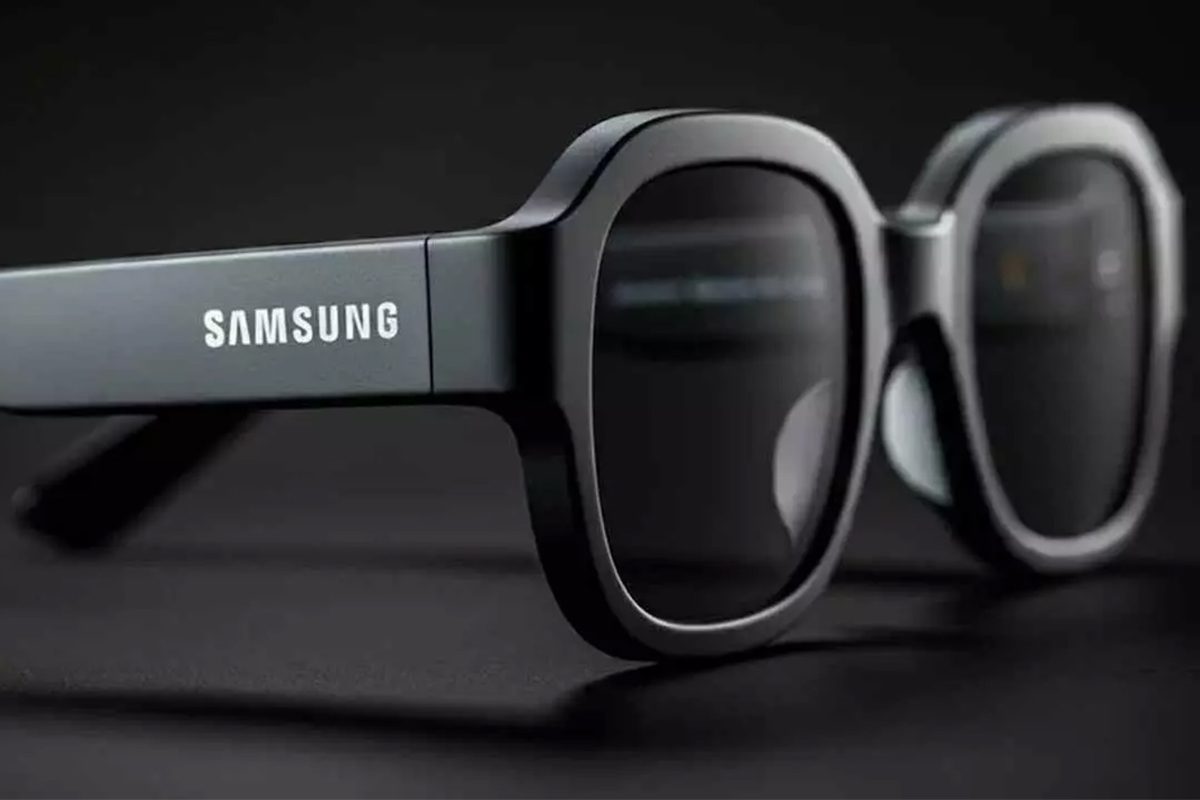
The most significant launch is Samsung’s new Intelligent Eyewear range, developed in partnership with Google and fashion eyewear specialists Gentle Monster and Warby Parker.
Pricing and release details for the US and South Korean markets were confirmed yesterday, but there has been no corresponding announcement from Samsung Australia.
The new range represents a major attempt by Samsung and Google to challenge Meta’s dominance of the AI smart glasses market, where the Facebook parent has established a commanding early lead.
According to market estimates, Meta accounted for 94% of global shipments of display-less AI glasses during the first half of 2026.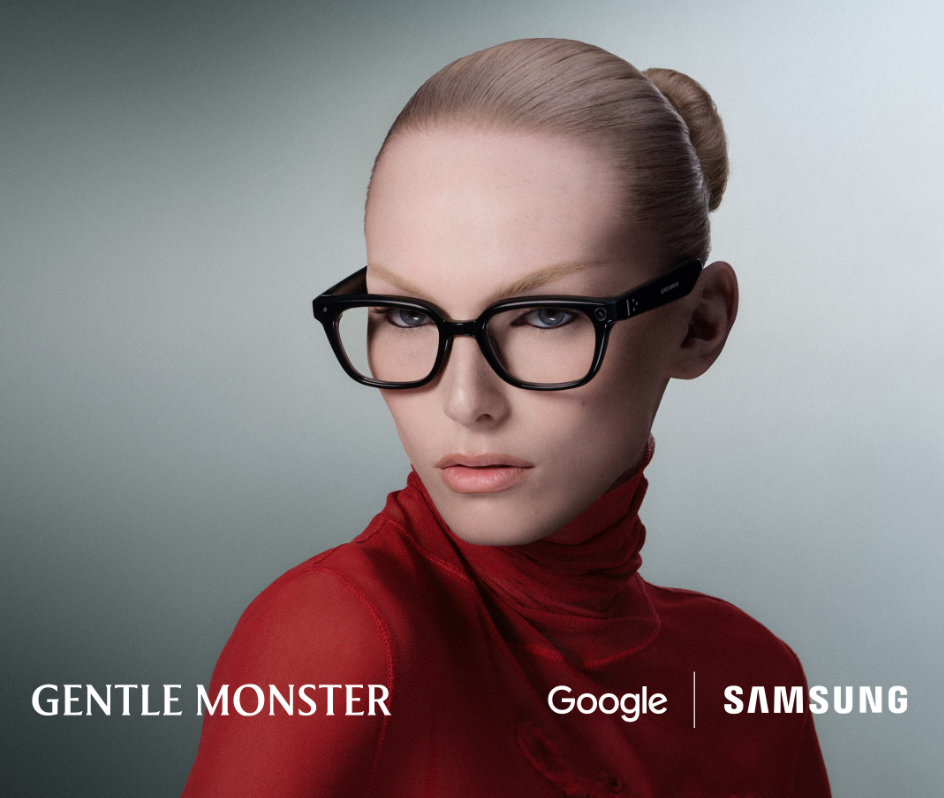
Samsung is now attempting to break that dominance by combining Google’s Gemini artificial intelligence technology with fashionable eyewear designs and its established Galaxy smartphone ecosystem.
The new glasses will be offered in 30 variations, with Gentle Monster supplying 16 versions across six frame designs and Warby Parker delivering another 14 variations across three styles.
Unlike earlier generations of bulky smart glasses, Samsung’s new models weigh between 40 and 44 grams and are designed to resemble conventional eyewear.
Each pair features a 12-megapixel camera that allows Google’s Gemini AI assistant to interpret what the wearer is looking at, while four microphones and open-ear speakers support voice commands, telephone calls and music playback.
The glasses also offer real-time translation, navigation and contextual AI assistance without requiring users to constantly reach for their smartphones.
Powered by Qualcomm’s Snapdragon AR1 Gen 1 processor, the glasses deliver a claimed nine hours of battery life under mixed usage conditions.
There is no built-in display, with Samsung instead concentrating on voice-driven AI functionality and camera-based interaction.
The glasses are designed to work with compatible premium Galaxy smartphones running One UI 9.0 or later, Google’s Pixel 7 and newer devices, and Apple’s iPhone 13 Pro and subsequent models.
This broad compatibility could give Samsung access to customers outside its traditional Galaxy smartphone base.
The battle with Meta is also expected to extend to pricing.
Meta’s Ray-Ban Meta Gen 3 glasses start at US$449, with Samsung’s competing range positioned to challenge the established player.
However, the first firm preorder date for Samsung’s new eyewear emerged through Warby Parker’s quarterly financial results rather than an announcement from Samsung itself.
That raises further questions about the company’s launch strategy and why its Australian operation has yet to provide any clarity on local availability.
New Galaxy Buds Also Missing From Australian Launch Plans
The eyewear launch is not the only product creating questions for Samsung Australia.
The company has also introduced new clip-on Galaxy Buds in overseas markets, with the headphones going on sale in the US earlier this month.
Priced at US$299 and initially available in black, the new open-ear headphones could cost Australian consumers more than A$500 if they are eventually released locally.
Again, Samsung Australia has not announced local pricing or availability.
The new earbuds use Qualcomm’s Snapdragon S7 Gen 1 Sound platform, with Bluetooth 6.2 and LE Audio support. 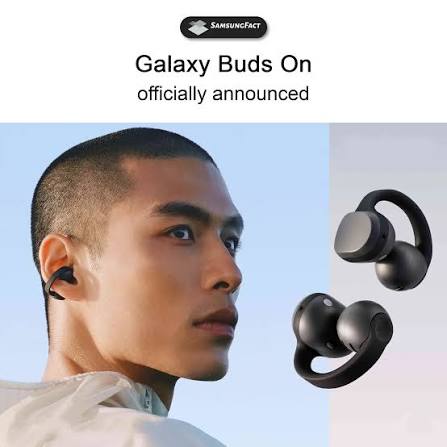
Samsung claims up to 9.5 hours of battery life, alongside its TwinBoost bass technology, audio leakage reduction, Gemini Live integration and head gesture controls.
They also carry an IP54 rating for dust and water resistance.
Unlike conventional premium earbuds, the new Galaxy Buds do not feature active noise cancellation, instead adopting an open-ear design that allows users to remain aware of their surroundings.
The problem for Samsung is that it is entering a category already populated by established competitors, including Huawei’s FreeClip, Sony’s LinkBuds Clip, Bose Ultra Open and Anker’s Soundcore AeroClip.
Several of these products have already established a presence in the market, leaving Samsung facing the challenge of convincing consumers that its new offering delivers something substantially different.
Early industry reaction has been mixed.
Audio publication SoundGuys questioned whether Samsung had done enough to differentiate its new earbuds from competing products.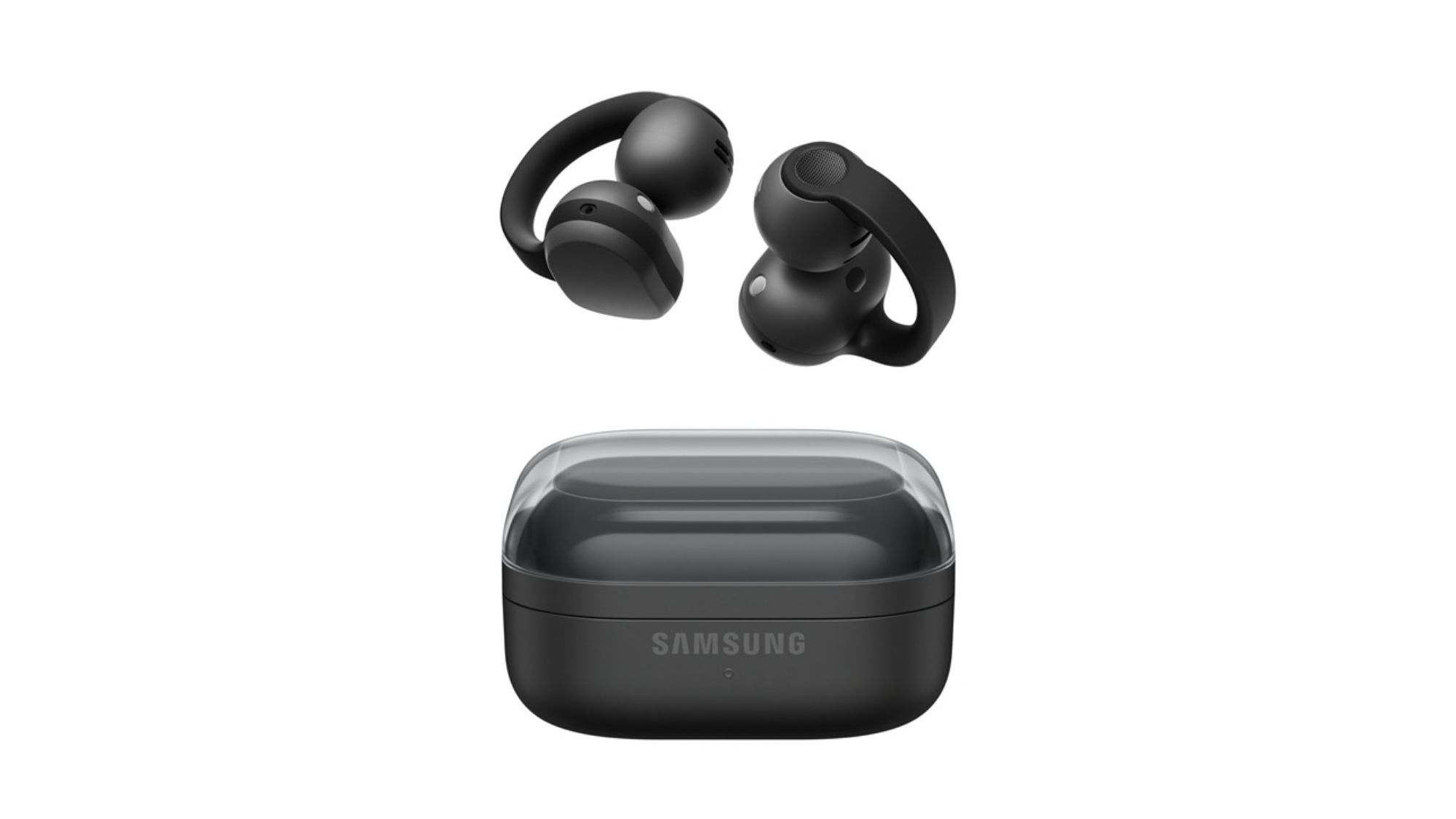
The publication argued that entering the category late would not necessarily be a problem if Samsung offered compelling features, “but on paper, they don’t.”
SoundGuys also raised questions about the effectiveness of the company’s audio leakage reduction technology, pointing to its experience with a similar feature on CMF headphones that resulted in muffled sound.
Samsung-focused publication SamMobile was equally intrigued by the unusual design, describing the earbuds as potentially “the strangest Galaxy Buds Samsung has ever made.”
Its first impressions compared the clip-on design to jewellery rather than conventional headphones.
Questions Over Samsung’s Australian Strategy
The absence of Australian launch announcements for both products is particularly noticeable given Samsung’s repeated claims that Australia is an important market for premium technology.
The company has previously highlighted Australian consumers’ willingness to adopt new technology early, making the country an attractive market for flagship smartphones, premium televisions and connected devices.
Yet two products that could become important components of Samsung’s broader AI strategy have been announced overseas without any indication of when Australian consumers will be able to buy them.
The smart glasses are particularly significant because they represent Samsung’s attempt to extend its Galaxy ecosystem beyond smartphones, watches and conventional earbuds into a new category of wearable AI devices.
For retailers, the lack of information also creates uncertainty about whether Samsung intends to compete aggressively in the Australian smart eyewear market or leave the category largely to Meta and other established players.
The same questions surround its new open-ear Galaxy Buds, which face strong competition from brands already selling similar products.
Samsung Australia has not publicly explained the absence of local launch details, and there is no confirmed indication that either product has been cancelled or ruled out for Australia.
What remains unclear is whether the company is deliberately delaying its Australian launches, facing supply or distribution constraints, or simply treating the market as a lower priority for these new categories.
For a company that regularly promotes Australia as a nation of early technology adopters, the silence surrounding two significant international product launches is becoming increasingly difficult to reconcile with its premium-market positioning.