Anchorage Capital Had A Plan For David Jones & The Administrators Were In On It Till It Went Pear Shaped
 David Richards
12 Nov 2026
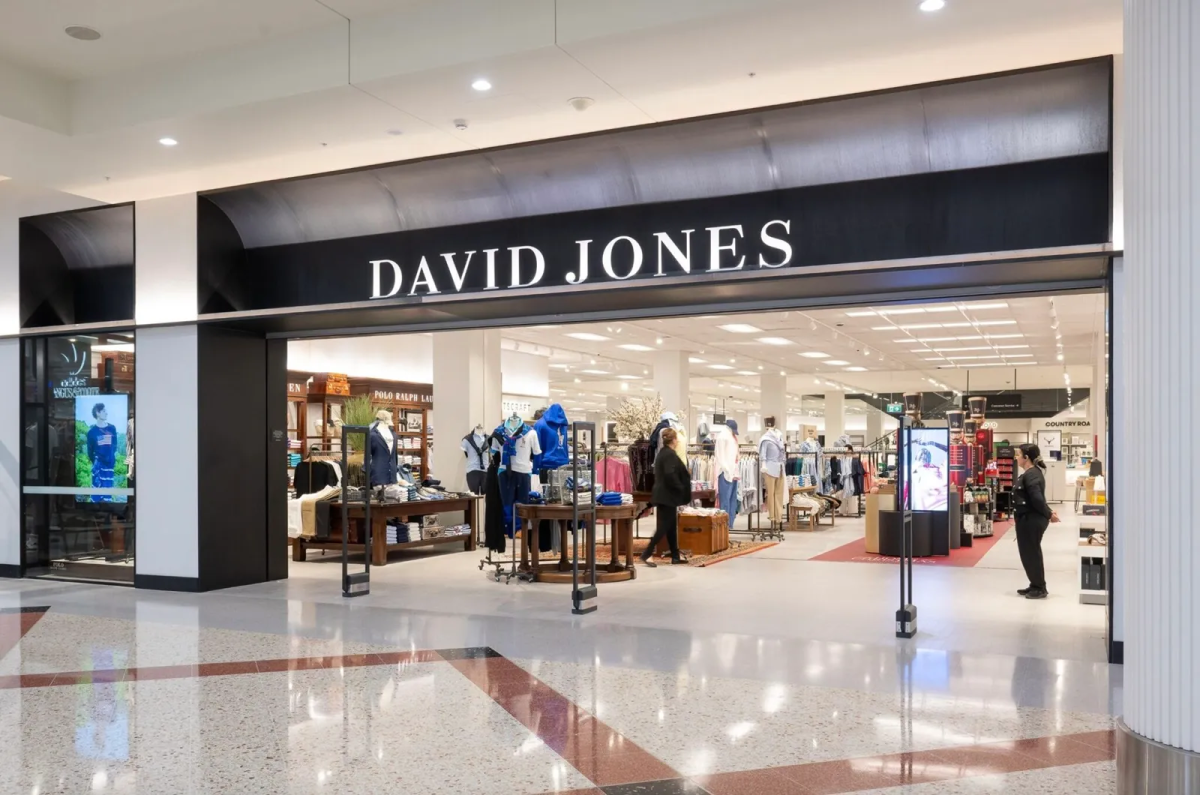
McGrathNicol, the voluntary administrator now running David Jones, spent months before the collapse helping owner Anchorage Capital draw up a restructure that would have cut the department store network in half, the same cut now being carried out under administration.
The revelation, first reported by The Australian today, raises fresh questions over whether administration is being used to deliver Anchorage’s preferred outcome after Westfield owner Scentre Group refused to back it.
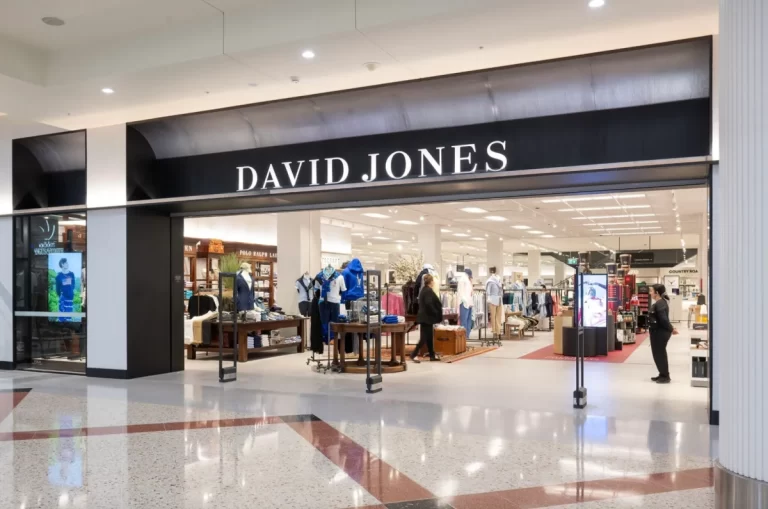
Insiders told ChannelNews the closure of 19 stores announced yesterday matches a plan David Jones and Anchorage put to landlords before the retailer collapsed: keep 12 stores at full rent, keep a further seven if landlords granted rent relief, and close the remaining 19 of its 38 sites.
McGrathNicol had prepared detailed financial analysis and strategies to salvage the profitable stores and keep the retailer solvent before it was appointed administrator last week.
Scentre rejection the trigger
According to sources, Scentre’s refusal to sign on to the plan left management with no option other than administration.
Scentre chief executive Elliott Rusanow said a day before the collapse that the landlord had made a “very generous offer” on rent that Anchorage rejected.
“We made a very generous offer to Anchorage that would have facilitated David Jones being able to continue trading, particularly through this very busy period, keep people employed, keep their doors open for their customers,” Mr Rusanow told The Australian last week.
“It seems they have rejected that offer.”
David Jones had reportedly failed to pay October rent on its 17 stores in Westfield centres. Nine of the 19 stores now closing are owned or part owned by Scentre.
Scentre holds about $30 million in bank guarantees, equal to eight months of gross rent, which were a condition of its approval of Anchorage’s purchase of the retailer.
Mr Rusanow said yesterday the landlord was not concerned about filling the space.
“Our business is practically full, with occupancy at 99.8% and strong demand for space,” he said.
“We have a unique opportunity at 17 Westfield destinations to introduce and grow local and international brands and experiences that our customers want.”
Suppliers chased for stock
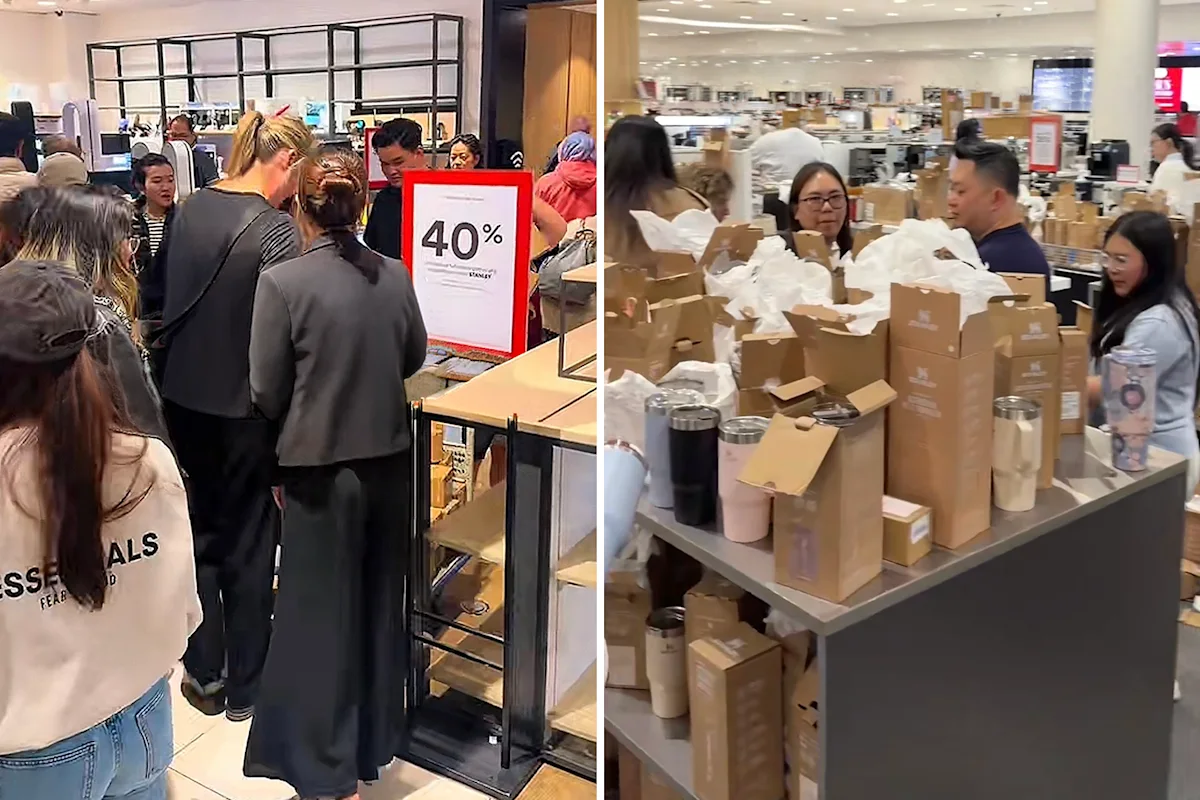
This week David Jones has been approaching suppliers for fresh stock to feed a rush of bargain hunters ahead of Black Friday, in what one source described as an “any cash is good cash” strategy.
Suppliers are believed to be owed about $100 million. Sources claim many are uninsured after major trade credit insurers withdrew cover for David Jones around 12 months ago.
More than 6,000 staff are employed by the retailer, with thousands of jobs set to go from as early as December or January.
A reborn DJs?
Sources claim Anchorage is motivated to return with a reborn David Jones, freed of its lease burden, because several high-performing city stores are profitable.
A note sent to suppliers said Anchorage may put forward a proposal that includes a restructured store footprint. Anchorage has reportedly told investors privately that 10 to 15 stores are losing money and the business could be highly profitable without them.
According to the AFR, the retailer’s last published accounts show more than $1 billion in lease liabilities, making property trusts likely bigger creditors than the banks. The Australian has raised the prospect that administration could be used to restructure that liability.
Anchorage’s existing equity is reportedly likely to be wiped out, which insiders say will form part of its defence against any claims it should be held liable.
Anchorage says it invested $250 million upgrading the business after acquiring it. The property sales that left David Jones dependent on landlords took place under previous owner Woolworths Holdings of South Africa, which sold the assets to recoup the roughly $2 billion it paid for the retailer in 2014.
The Dick Smith precedent
Anchorage’s retail record has drawn scrutiny since its 2012 purchase of Dick Smith from Woolworths for an initial $20 million cash payment, rising to about $115 million in total.
The business reportedly had net tangible assets of $290 million and no debt at the time. Anchorage used money from within the business to fund part of the payment to Woolworths, then floated Dick Smith with a market capitalisation of $520 million less than two years later.
Forager analyst Matt Ryan called the deal “the greatest private equity heist of all time”, arguing inventory had been stripped before the relisting. Dick Smith founder Dick Smith blamed Anchorage’s greed for the 2016 collapse, which cost more than 3,000 jobs. Anchorage told a Senate inquiry it had left the company in good financial shape.
What happens next
The key questions now are who ends up owning the 12 “full rent” stores, on what lease terms, and whether any Anchorage-linked bid returns anything close to their value to creditors, against roughly $100 million owed to suppliers and $30 million in Scentre guarantees.
Riley Street Group, the Anchorage-backed owner of David Jones, has previously written to ChannelNews through its lawyers regarding earlier reports.
ChannelNews has sought comment from multiple parties for this story.