Smartphone Chip Shipments Slump As Memory Prices Surge 300%
 Joe Gallop
30 Jul 2026
Joe Gallop
30 Jul 2026
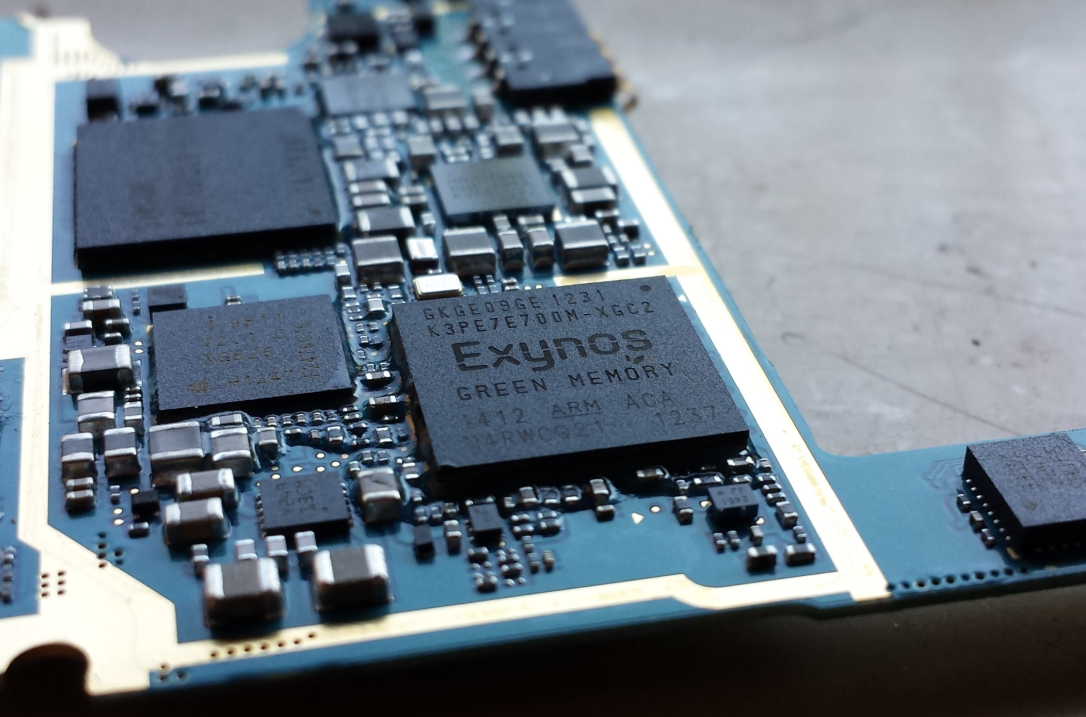
Global smartphone processor shipments fell sharply during the first half of 2026 as soaring memory prices forced manufacturers to cut production and carefully manage inventories.
Worldwide smartphone system-on-chip (SoC) shipments declined 15% year-on-year during the six-month period, according to preliminary figures from Counterpoint Research.
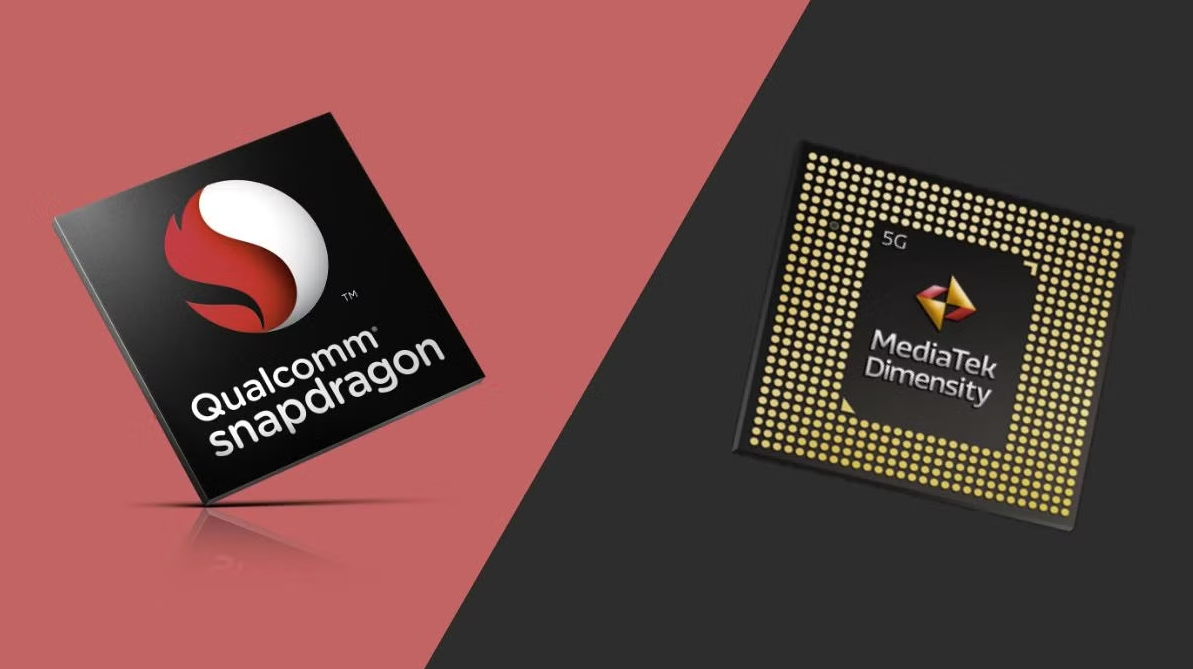
MediaTek and Qualcomm were among the hardest hit, with shipments from both chipmakers falling by more than 25%.
The downturn was driven by a combination of higher component costs, longer smartphone replacement cycles and cautious inventory management among device manufacturers.
Smartphone memory prices reportedly surged by more than 300% year-on-year during the second quarter, pushing memory costs above processor costs across every smartphone price segment.
Counterpoint senior analyst Shivani Parashar said Apple increased its market share by four percentage points following strong demand for the iPhone 17 series.
Qualcomm lost ground partly because Samsung used both Qualcomm’s Snapdragon 8 Elite Gen 5 and its own Exynos 2600 chips across the Galaxy S26 range, after relying entirely on Qualcomm processors in the previous generation.
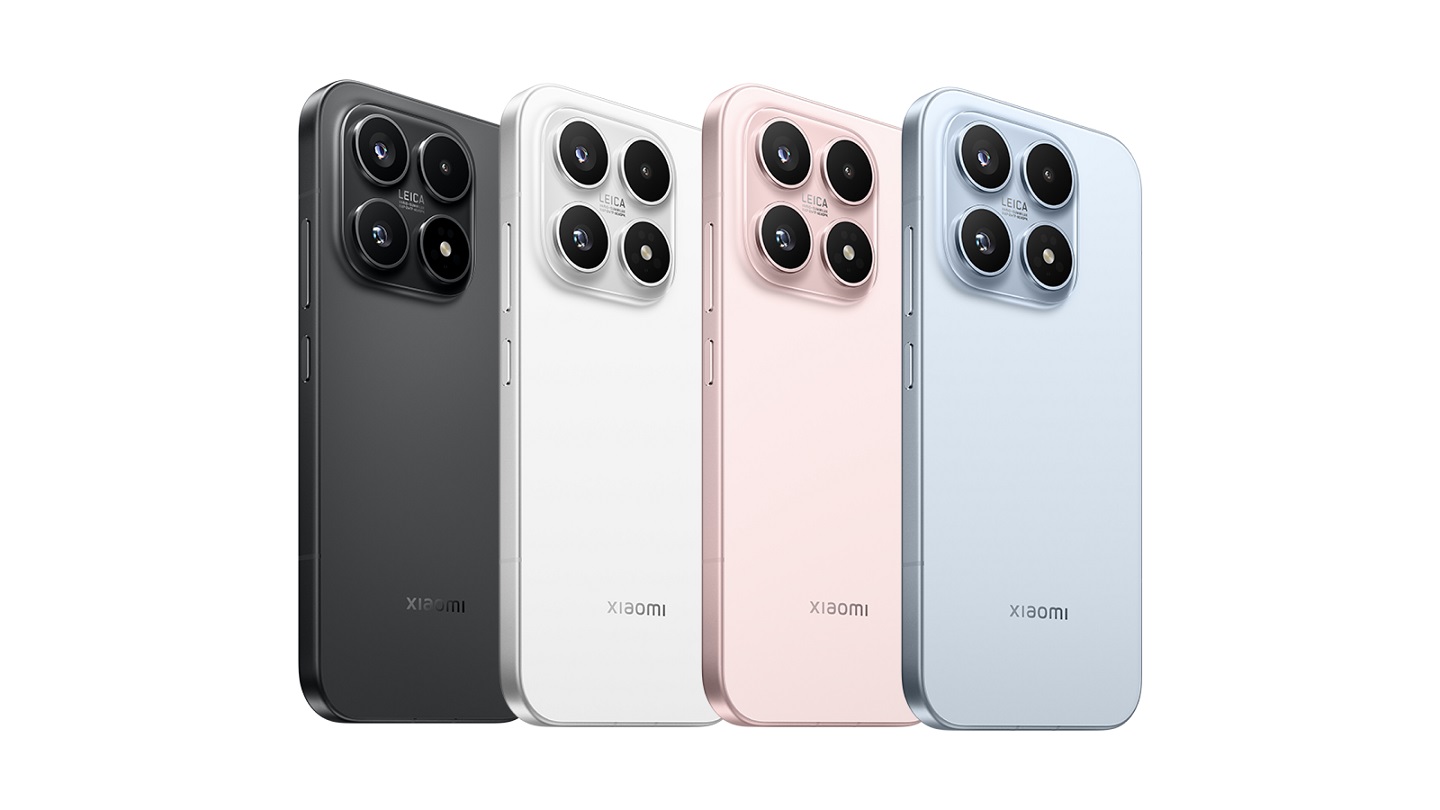
Weaker Xiaomi 17 sales also weighed on Qualcomm’s premium-chip shipments.
MediaTek was hit particularly hard in the entry-level and low-cost 5G markets, although its flagship Dimensity 9500 series reportedly performed well following design wins with brands including Oppo, Vivo, Poco and Redmi.
UNISOC benefited as manufacturers shifted cheaper smartphones towards its 4G platforms to reduce bill-of-materials costs. The company also expanded its presence in 5G devices through partnerships with Poco and Redmi.
Despite the broader slowdown, shipments of processors supporting generative AI features grew 24% year-on-year, driven by demand for AI capabilities and continued growth in premium smartphone sales.
The cost pressure could intensify further after Qualcomm reportedly notified customers that it plans to raise chip prices by double-digit percentages on products shipped after September 1.
The company is said to be passing on higher supplier and manufacturing costs, potentially forcing smartphone brands to absorb the increase, reduce device specifications or charge consumers more.
Entry-level and mid-range devices may be particularly exposed because manufacturers have less room to absorb simultaneous increases in processor, memory and storage costs.
Counterpoint expects global smartphone SoC shipments to decline 14% across the full year, with entry-level processor shipments forecast to fall by more than 30%.
The memory shortage is not expected to ease until the second half of 2027, potentially extending pressure on smartphone prices and production into another year.