Smart TVs Accused of “Spying” on Australians as Data Harvesting Sparks Global Backlash
 David Richards
19 Apr 2026
David Richards
19 Apr 2026
Major television manufacturers including LG, Samsung and Hisense are rolling out their latest 2026 models in Australia this month, but critics say claim their real business today is no longer selling screens, it’s selling viewers confidential information to third party brands who can then hit consumers on their PC mobile and tablets with advertising.
Analysts and consumer advocates warn that smart TVs have quietly become powerful data collection tools, harvesting detailed information about what people watch, how they use apps, and even what appears on external devices connected via HDMI. That data is then monetised through advertising networks and third party sales, often without users fully understanding the extent of the tracking.
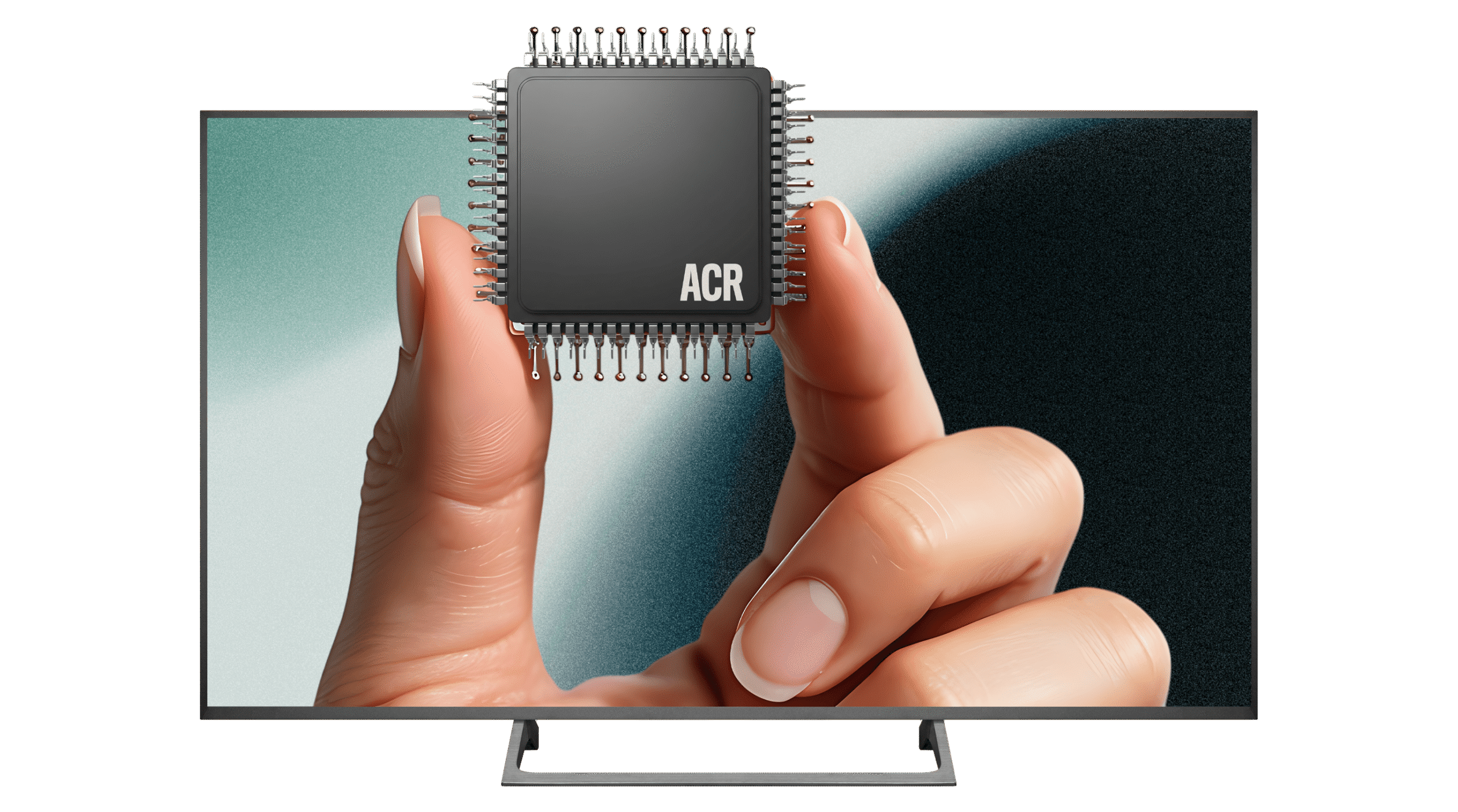
At the centre of the controversy is Automatic Content Recognition, ACR, a technology embedded in most modern smart TVs. ACR works by capturing screenshots or snippets of on screen content, whether from streaming services, gaming consoles, or even personal media, and matching it against databases to identify what is being viewed.
Privacy groups say the implications are alarming.
The US based Center for Digital Democracy has labelled the practice a “privacy nightmare,” while reports indicate ACR can track content across all inputs as long as the TV is connected to the internet.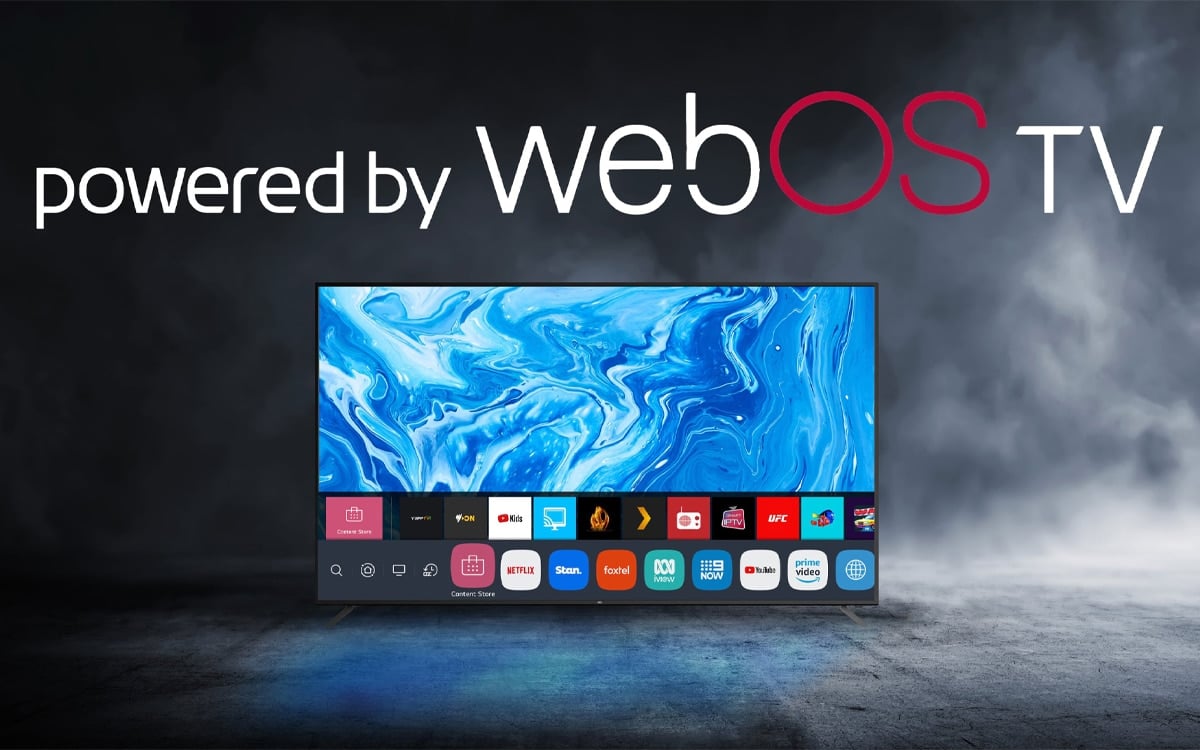
That means viewing habits, including potentially sensitive content, can be monitored, analysed, and sold.
Australians Growing Uneasy
In Australia, concern is mounting. Consumer sentiment is shifting rapidly as awareness grows about the scale of data collection occurring inside homes.
Consumer advocacy group Choice recently found that many Australians unknowingly consent to extensive tracking during initial TV setup, often through complex or unclear terms and conditions.
Research indicates growing distrust toward manufacturers, with users citing “coercive consent,” where declining data collection can limit functionality, as a key issue. Others say opting out is deliberately difficult.
Smart TVs are capable of collecting a wide range of data, including viewing habits, app usage, location information and even voice recordings, feeding this into advertising ecosystems in real time.
The result, advertising that follows users beyond the TV, targeting them across smartphones, laptops and other platforms.
Billions at Stake
For manufacturers, the financial incentives are significant.
LG Electronics alone is estimated to have generated more than $2 billion last year from advertising, subscriptions and data driven services tied to its smart TV platform.
Operating systems such as LG’s webOS, Samsung’s Tizen and Google TV are increasingly being licensed to other brands, expanding the reach of these data collection ecosystems far beyond a single manufacturer.
Critics argue this effectively turns televisions into long term revenue platforms, with consumers paying upfront for hardware while continuing to generate profit through their data.
Legal Action and Global Scrutiny
The issue has now escalated into the courts.
In December 2025, Texas Attorney General Ken Paxton launched legal action against five major manufacturers, Samsung, Sony, LG, Hisense and TCL, alleging they used ACR technology to “spy” on users without proper consent.
The lawsuits claim TVs captured real time data from all content displayed on screen, including external devices such as Apple TV, gaming consoles and even personal media.
The cases are already producing results.
Samsung reached a settlement in early 2026, agreeing to halt ACR data collection in Texas unless users are given clear disclosures and explicit opt in consent.
Hisense has been temporarily blocked by a court order from collecting or selling such data while proceedings continue.
Sony, LG and TCL are contesting the allegations.
Security and National Concerns
Beyond privacy, security experts warn the issue may extend into national risk territory.
Some analysts claim large volumes of Australian user data are being transmitted to overseas servers, raising concerns about data sovereignty and potential misuse.
Former federal cyber security adviser Alastair MacGibbon has warned that connected devices, including TVs, could form part of a broader “mass surveillance” network within homes.
Adding to the concern, reports of malware appearing on smart TVs have begun to surface, further fuelling calls for tighter regulation.
Under Australia’s upcoming 2026 cybersecurity framework, smart TVs are now being classified as high risk devices due to the volume and sensitivity of data they collect.
Calls for Reform
Pressure is mounting on regulators to act.
Consumer groups and privacy advocates are calling for stricter rules requiring explicit, informed opt in consent before any data is collected, along with clearer disclosures and simpler opt out mechanisms.
For now, however, millions of Australians may be unknowingly participating in one of the fastest growing data markets, right from their living rooms.
As one analyst put it, “The TV is no longer just a screen. It’s a sensor, and it’s watching back.”