Smart Glasses Combine Vision and Hearing Aids in Single Device
 Isabella Alexiou
23 Jun 2025
Isabella Alexiou
23 Jun 2025
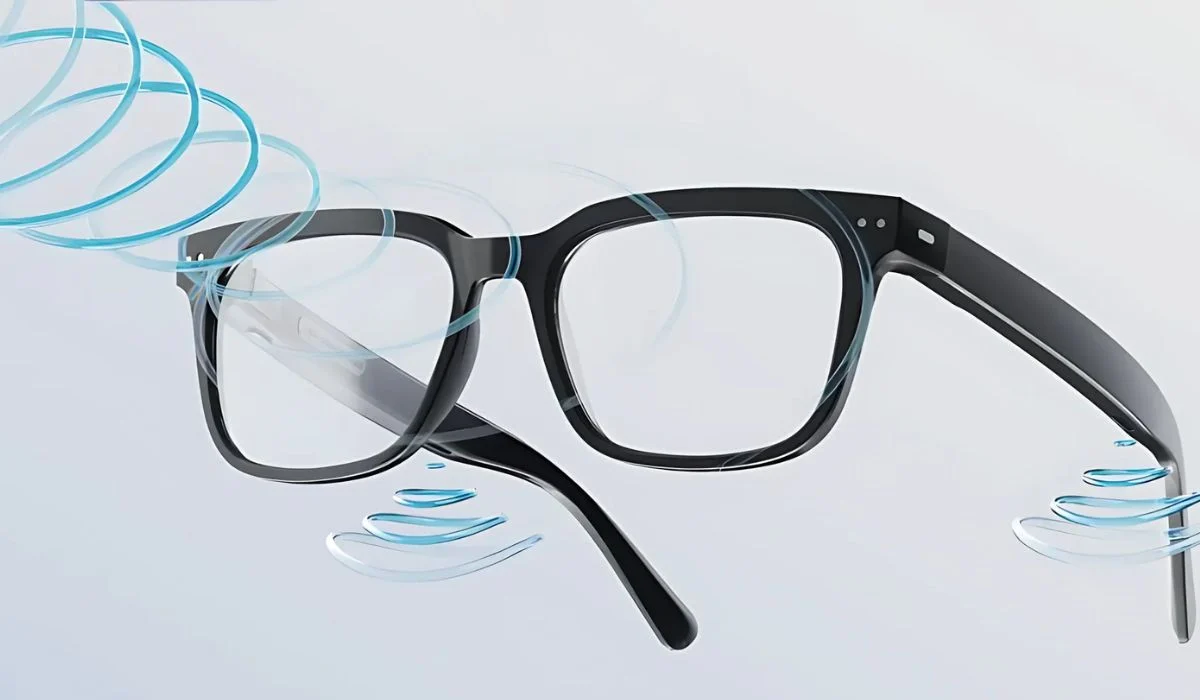
EssilorLuxottica has launched the Nuance Audio glasses in the United States, eyeglasses that integrate hearing aid technology directly into the frames.
Priced at US$1,200 (prescription lenses sold separately), these glasses target people with mild to moderate hearing loss who want an alternative to conventional hearing aids.
The glasses feature tiny speakers embedded in the arms and microphones positioned around the front of the frame, making the technology nearly invisible.
Unlike some competing products that use bone conduction, the Nuance Audio uses open-ear speakers that amplify sound without blocking the ear canal.
Millions of people experience mild to moderate hearing loss, yet few use hearing aids due to various obstacles, including cost, stigma, discomfort, and the challenge of wearing both glasses and traditional hearing aids simultaneously.
The Nuance Audio glasses attempt to solve multiple problems with one device.
The glasses are available at LensCrafters, Pearle Vision, and Target Optical locations, with free trials offered.
An online hearing test can help determine candidacy for these over-the-counter devices, though people with sudden hearing loss should consult a doctor.
Testing by users with hearing loss revealed mixed results.
Beth Yauman, a 75-year-old with memory challenges from a stroke, found the glasses integrated well into her daily routine but struggled with the complex controls.
The wireless charging pad and app-based adjustments proved challenging for less tech-savvy users.
Peter Rothman, an 81-year-old retired doctor, had a more positive experience.
He appreciated the discreet nature of the glasses and found them superior to Apple’s AirPods Pro 2 hearing aid feature.
At a recent family gathering with 15 people, he could easily follow conversations, a significant improvement over previous experiences.
The glasses offer eight hours of battery life per charge and connect to a mobile app for volume control and frequency adjustments.
Users can choose from four presets and toggle between directional and omnidirectional sound pickup. Tapping the right temple allows for quick adjustments.
However, the glasses have notable limitations.
The battery cannot be replaced and will degrade to 80% capacity after 2.5 years.
Unlike some hearing aids or consumer earbuds, they cannot stream music.
The sound quality becomes harsh at high volumes, and some users report a slightly “echoey” quality compared to traditional hearing aids.
At US$1,200, the Nuance Audio glasses are competitively priced with traditional hearing aids.
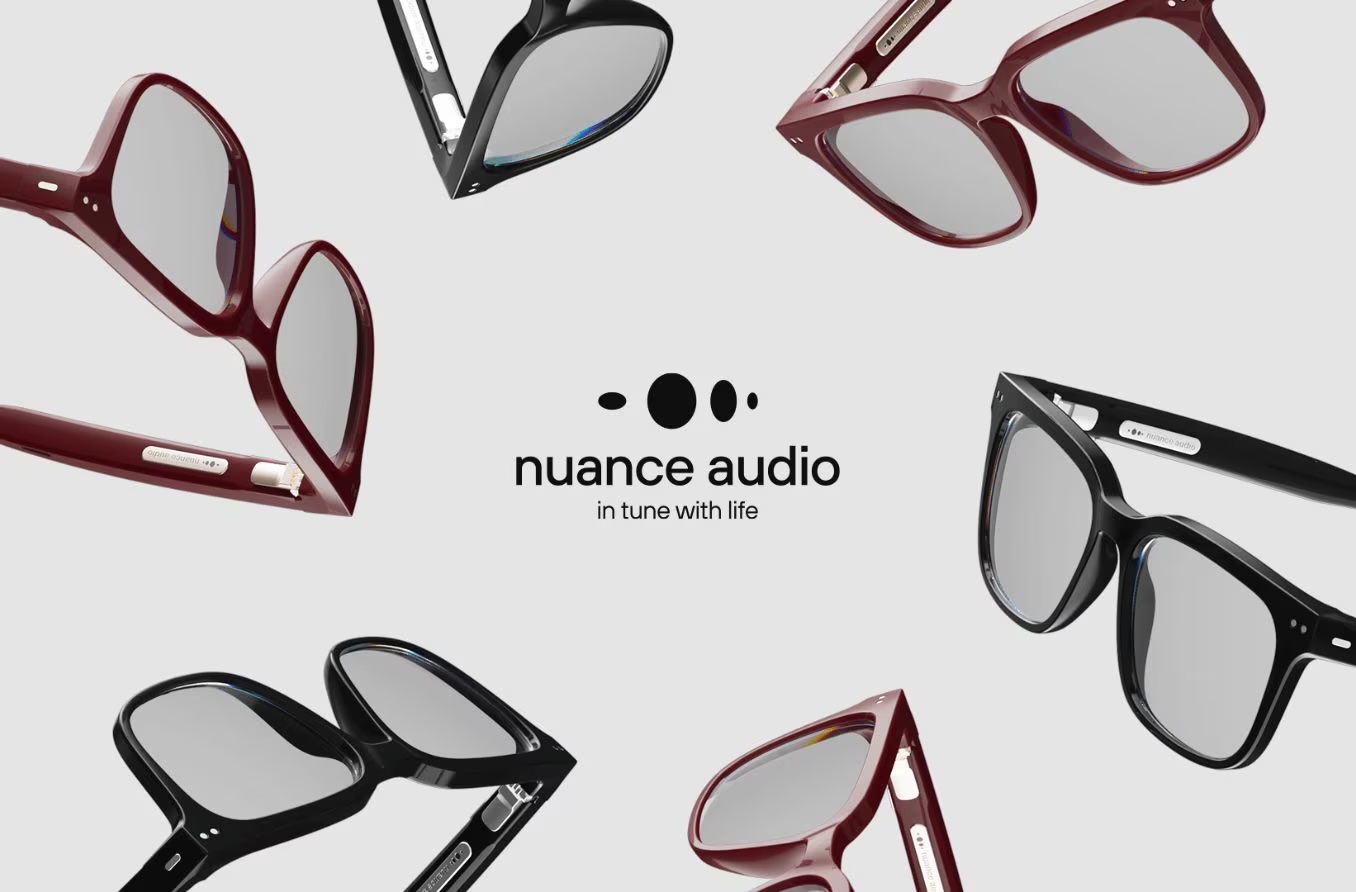
They’re currently available in two frame styles (square and round) in black or burgundy, with additional styles planned for future release.
The glasses represent a growing trend of mainstream companies entering the hearing assistance market, following Apple’s introduction of hearing aid features in AirPods Pro 2.
For people who need both vision correction and hearing assistance, these glasses offer a practical solution that eliminates the need for multiple devices.
The technology appears best suited for tech-comfortable users who want discreet hearing assistance without the stigma associated with traditional hearing aids.
However, the fixed battery life and limited customisation options may give some potential users pause.