Small Businesses Under Pressure As Rising Costs Threaten Growth
 April Ossington
25 Nov 2026
Australian small businesses are scaling back operations, reducing staff hours and shelving expansion plans as rising interest rates, inflation and government policy changes place increasing pressure on profitability.
Business owners across the retail, hospitality and professional services sectors have expressed concerns about their ability to absorb mounting expenses, particularly following the introduction of the credit card surcharge ban.
Audiovisual retailer Videopro is among the businesses reassessing expenditure as higher operating costs and weaker economic conditions threaten growth opportunities.
Speaking to The Australian, Videopro CEO Cameron Douglas said rising freight and fuel expenses were among the challenges affecting the company’s operations.
The Reserve Bank of Australia’s decision to increase the official cash rate to 4.85 per cent, its highest level in 18 years, has added further pressure to businesses already grappling with inflation.
“We’ve been through a period where we’ve had to get far more microscopic on where the costs were in the business, where the spend was and whether it was giving us a return,” Douglas said.
He also raised concerns about the impact of government policy changes on operational efficiency, arguing that business owners should be concentrating on customer service and supporting employees rather than navigating additional regulatory requirements.
“All the changes are destabilising distractions around the operational effectiveness of your company and how you’re running.”
The financial challenges extend beyond retail, with Sydney vegan bakery Miss Sina facing an additional $2,000 in monthly expenses following the credit card surcharge ban.
Owner Sina Klug has reduced employee hours, renegotiated supplier agreements and adopted bulk purchasing strategies to minimise expenses.
Regularly reviewing electricity providers can generate annual savings of between $2,000 and $3,000 for a bakery, according to Klug. However, these measures are proving insufficient to offset additional operating costs.
Consumer spending habits are also changing, with some previously regular customers significantly reducing their visits as household budgets come under pressure.
Central Coast communications business Bespoke Co has suspended further development of its technology platform as owner Amber Daines reassesses the financial viability of expansion.
Daines estimates that absorbing card payment fees across her client base could cost her business approximately $30,000, while passing those expenses on to customers risks damaging commercial relationships.

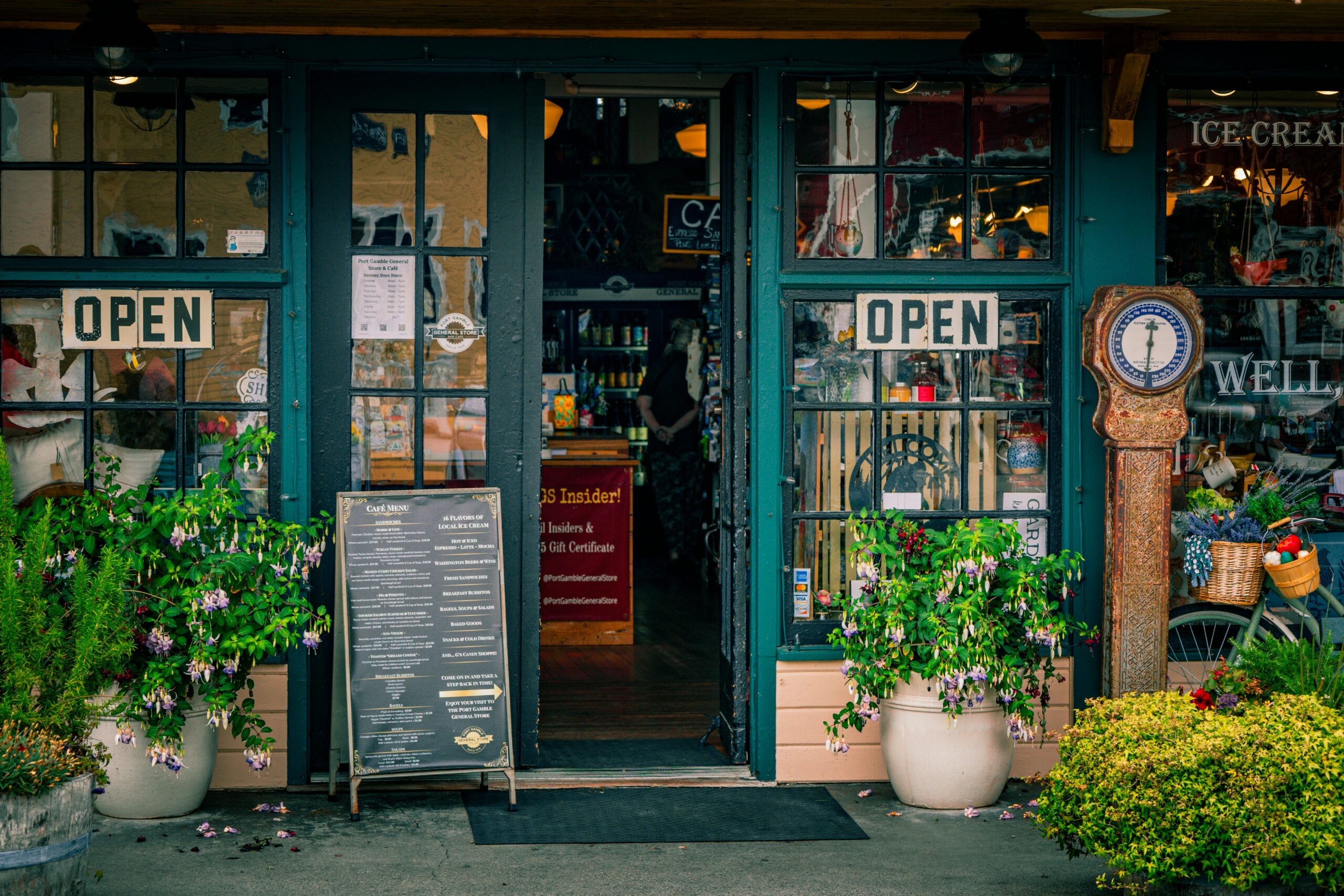
Photo by Dan Burton
Meanwhile, Victorian hospitality operator Tristan Pope reported incurring $1,400 in additional card payment expenses in just 12 days at his Apollo Bay cafe.
Business owners have also raised concerns about the Australian Taxation Office’s plans to discontinue credit card payments, a decision that has been postponed until next year following government intervention.
The proposed change has prompted concerns about cash flow management, particularly among operators who rely on credit cards to meet tax obligations.
Changes to the tax treatment of interest incurred on ATO payment plans have created further financial challenges, with businesses no longer able to claim deductions for applicable interest charges.
Workforce availability is another growing concern, particularly for regional businesses that rely on international workers to address seasonal labour shortages.
Proposed reductions to second-year and third-year working holiday-maker visa places have prompted warnings from hospitality operators about their ability to recruit sufficient staff.
Investor Partner Group has already implemented a 10 per cent reduction in staffing after escalating operating expenses contributed to a 16 per cent decline in profitability. The company’s directors have also reduced their salaries to support cash flow.
The concerns come as Treasurer Jim Chalmers warns of a challenging economic outlook, including higher inflation, rising unemployment and increased budget deficits.
For many Australian businesses, the immediate priority is shifting away from expansion and investment towards maintaining financial stability, retaining employees and remaining competitive without imposing further price increases on customers.
Featured photo by Sara Kozak