Rockstar Faces Fresh GTA 6 Piracy Threat As Unofficial PC Version Takes Shape
 Dominic Bayley
25 Nov 2026
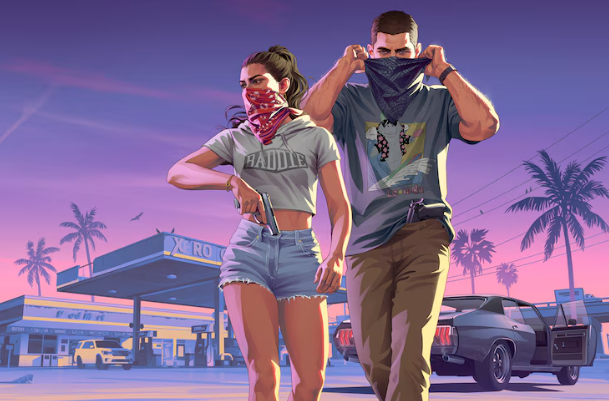
An unofficial PC version of Grand Theft Auto VI could be edging closer to reality after hacking group Cyberleek released additional game files, dealing another blow to Rockstar Games and parent company Take-Two Interactive.
The group has leaked an executable from the Xbox version of GTA 6, completing a collection of files that had previously surfaced online.
The release has accelerated efforts to get the game running on PCs, aided by the similarities between the processor architecture used in Xbox Series consoles and conventional computers.
Individuals working with the leaked software reportedly managed to launch the game on PC shortly after the files became available, although early attempts resulted in immediate crashes.
More recent reports suggest progress has been made, with the game now advancing beyond its initial setup process.
The rapid developments have fuelled speculation that a playable, unauthorised PC version could appear on piracy websites within days, although this remains unconfirmed.

Separate experiments have reportedly explored ways to enhance the game’s graphics and frame rates beyond the limitations of its console versions.
Cyberleek has defended its actions by criticising Rockstar’s monetisation practices, including paid upgrades and content locked behind paywalls.
The group also addressed its involvement with cryptocurrency, claiming it was intended to finance an unrelated project rather than monetise access to the leaked game files.
Rockstar and Take-Two have reportedly pursued legal avenues to uncover the identities of those responsible for the leaks, but their efforts have yet to yield any publicly disclosed results.
The emergence of an unauthorised PC version could present a significant commercial challenge for Rockstar, particularly given the enormous investment in developing GTA 6.
Rockstar has yet to officially announce a PC edition of the blockbuster title, leaving millions of computer gamers waiting for confirmation.
Meanwhile, consumers seeking out leaked versions risk copyright infringement and exposure to malicious software distributed through unofficial channels.