Shocks Ripple Through Harvey Norman After 35% Profit Slump, Shares Take A Dive
 Varun Godinho
30 Aug 2024
Varun Godinho
30 Aug 2024

With Harvey Norman’s franchisee network failing to deliver for the group, the electronics and furniture retailer posted a 34.7 per cent slide in its full-year net profit to $352.45 million. Total sales for the group fell 3.6 per cent to $8.862 billion from $9.19 billion in FY 23.
In Australia, the franchising operation segment PBT result decreased 26.7 per cent – or nearly a $100 million – from $373.36 million in FY 23 to $273.56 billion in FY 24.
The company admitted that the majority of the decline occurred in H1 2024 where franchising operations profitability reduced by $94.57 million – a decrease of 39.8 per cent – over the corresponding period of H1 2023.
Gerry Harvey (seen below), chairman of Harvey Norman, claims that priorities have shifted for many households after the Covid-19 pandemic as his stores grapple with what he terms a three-speed economy, where renters and those struggling with mortgage payments are being squeezed the hardest by higher bills.
Harvey Norman shares dropped 6.7 per cent to $4.58 on Friday after the retailer reported a 35 per cent slump in profit to $352.5 million with analysts tipped to mark the shares down further as they absorb the company’s latest financials.
Gerry said consumers had cut back spending as mortgages, rents and other bills rose, and he predicted there would be a continuation of those difficulties for at least the rest of the year. He expects the Reserve Bank will not cut interest rates until next year.
But a jump in house price values for those who had paid off mortgages meant that some customers were still spending – just not necessarily at Harvey Norman stores with many turning to deals at The Good Guys and JB Hi-Fi.
Some even preferred travelling overseas after being unable to during the pandemic.
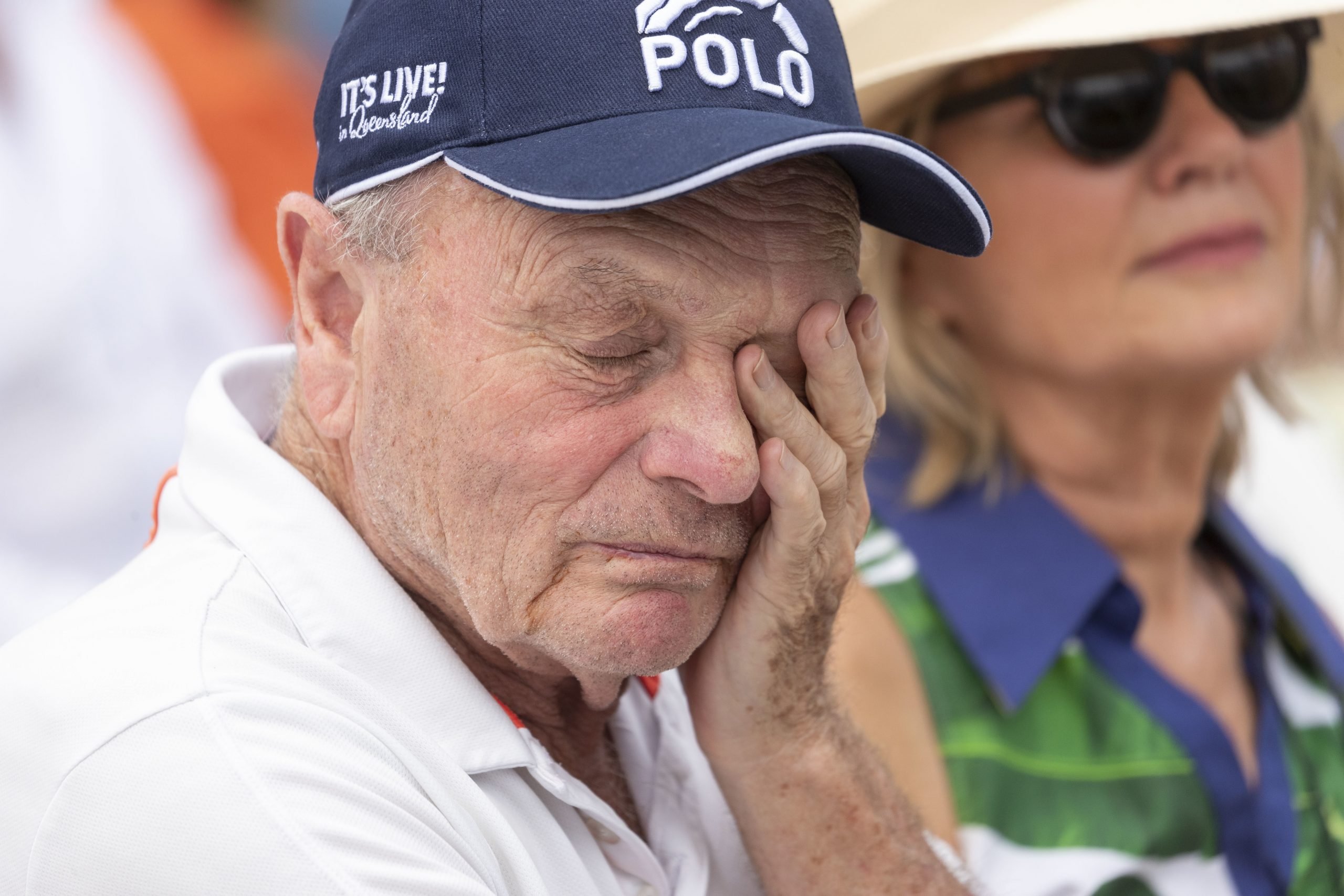
Harvey said “That takes spending away from us. Before that, they were buying a fridge, now they’re not. They’re still saying, ‘we were cooped up, now let me out of here’.”
Profitability increased in the second half of FY 24, driven by better sales in the last quarter of the financial year, though the second half of the year’s sales were still down 3.9 per cent at $130.48 million, compared to $135.71 million in the corresponding period in FY 23.
The retail group operates in eight countries, and saw its profitability take a hit outside of Australia too.
Overseas retail profitability declined 14.8 per cent year-on-year in FY 24 to $118.54 million. The company attributed it to factors including “persistent macroeconomic headwinds” in New Zealand and “ongoing cost of living and inflationary pressures” across Asia and Europe.
But Gerry was keen to paint a more optimistic outlook. “Our balance sheet is strong and resilient, with total assets of nearly $8 billion, anchored by a $4 billion property portfolio, predominantly situated within the large-format retail market that has delivered rental growth and low vacancy rates over the past two years.
“We have delivered a substantial 42 per cent growth in net assets since the beginning of the pandemic, rising to $4.54 billion as at 30 June 2024.”

Gerry said he expected AI-enabled products to help growth in the new financial year. “We are excited about the recent Gen-AI product cycle and are committed to further investing in digital initiatives to assist both our franchisees and company-operated stories in promoting Gen-AI-enabled products to mainstream consumers.”
The company has kept its final dividend payout steady at 12¢ per share, though its shares dropped as much as 4.1 per cent on Friday after its latest earnings report was released.