Shipping Companies Set For Record Profits, OZ Suppliers Pay For It
 Nathan Jolly
10 Aug 2022

The world’s leading container lines are set to post record profits for 2022 that will smash last year’s record by 73 per cent.
Net income for the top eleven carriers will reach A$368 billion for the financial year, according to industry veteran John McCown, the founder of Blue Alpha Capital.
Last year’s all-time high was A$212.6 billion, which was likewise driven by logistics bottlenecks, labour shortages, and the closure of numerous key ports.
“These profit increases are being driven by continuing increases in the rates in contracts that cover the large majority of loads actually moving on ships,” McCown said.
While spot rates have discounted since last year’s price hikes, these make up a “small fraction of overall seaborne freight costs”, with companies opting for safer, yet more pricy, contracts to ensure goods are shipped.
McCown’s analysis found overall container-shipping pricing in the second quarter was 2.84 times higher than levels measured two years earlier.
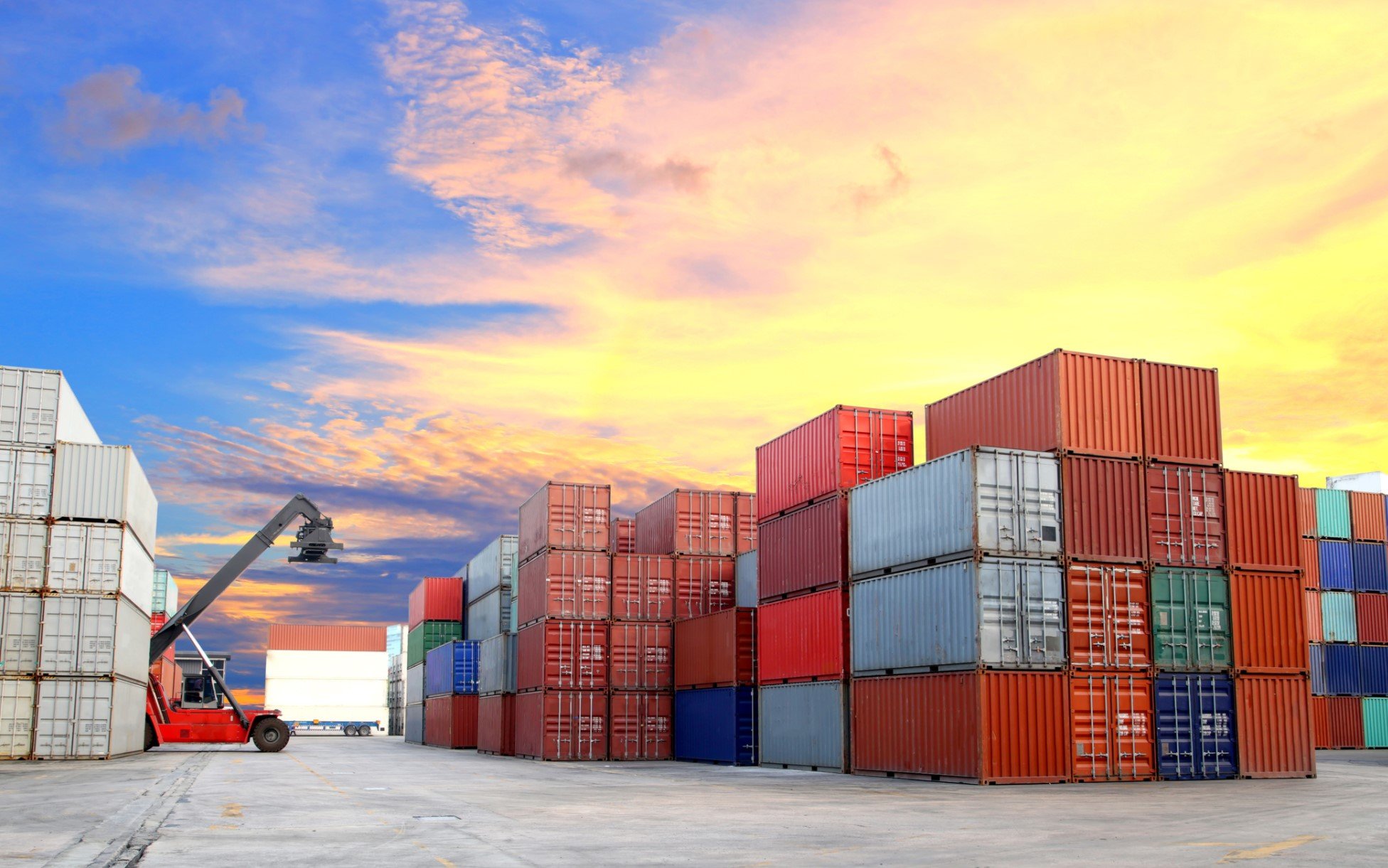
The second largest shipping company, APM-Maersk, said the average contract rate this year is around A$2,730 per 40-foot container.
UK-based Container Trade Statistics released a report on Monday saying the outsized profits “show the impact of customers protecting their supply chains by negotiating long-term contracts.
“The fear of congestion in the supply chain has meant that corporates have chosen to play safe rather than risk a spot market.”
Making this worse is the make up of these container lines. Nine of the largest companies siphon into three separate alliances, which control roughly 80 per cent of the world’s shipping container capacity. Meanwhile, according to Sea-Intelligence, online delivery is at just 40 per cent.

The tech industry is well into its third year of economic disruptions caused by shipping chaos, and the price is being felt at the cash register. Inflation has officially hit many national economies, with chip shortages and shipping woes causing a double whammy.
Australia, being further removed from most global shipping ports, sees more extreme price hikes in regards to shipping then the rest of the world.
The International Federation of Freight Forwarders Associations represents 40,000 logistics firms, and feels this hiked pricing has huge global costs.
“The price shocks to shippers, consumers and supply-chain intermediaries hinder recovery from the pandemic and other economic shocks in the recent past,” the group said.
“All affected jurisdictions globally should pay close attention through their competition authorities to ensure the market is not distorted, and put in place a mechanism to intervene quickly to protect shippers and consumers worldwide.”