Serious Questions Raised Over Oura Ring SleepTracking Claims Legal Action Taken
 David Richards
23 Aug 2026
David Richards
23 Aug 2026
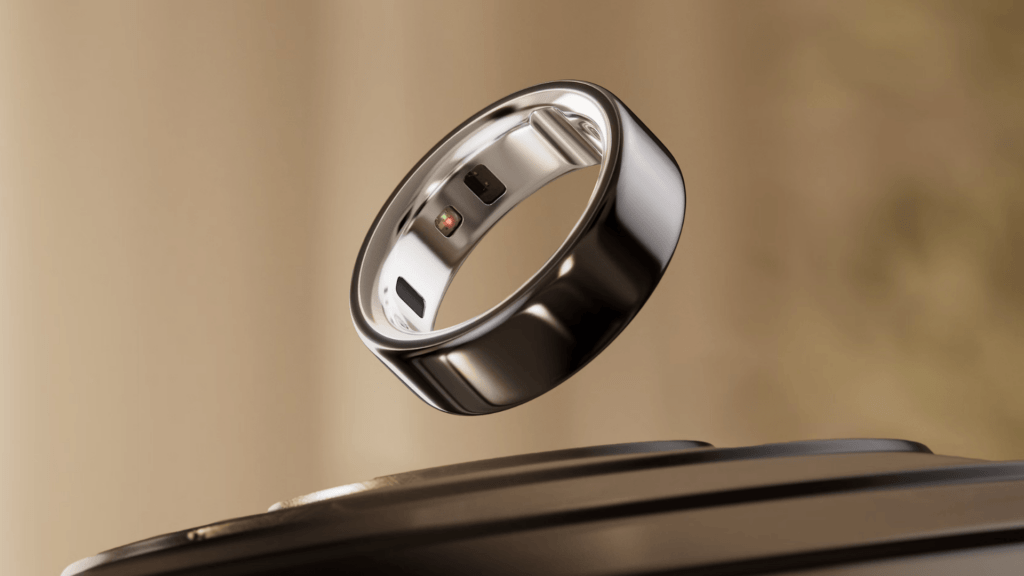
Finnish wearable technology company Oura Health is facing a proposed class-action lawsuit in the United States alleging it misleads consumers regarding the accuracy of its popular smart ring’s sleep-tracking capabilities.
The complaint, filed in the U.S. District Court for the Northern District of California on Friday, alleges Oura’s marketing falsely promises high sleep-stage accuracy despite the hardware lacking the direct brain and eye sensors required to measure sleep clinically.
The lawsuit was brought by California resident Madison Surber, who paid A$799 for an Oura Ring 4 Gold in May 2025.
Surber claims she purchased the device based on advertising stating the ring delivers up to 95% accuracy compared to clinical sleep labs, a figure the lawsuit argues is false and misleading.
According to the filing, clinical polysomnography (PSG) relies on scalp electrodes and eye-movement sensors to measure brain activity.
In contrast, the Oura Ring estimates sleep stages by measuring indirect signals from the finger, including heart rate, movement, skin temperature, and blood-oxygen levels.
To support the claims, the lawsuit points to an independent 2025 Nature study involving 45 participants over 45 nights, which found the Oura Ring correctly identified sleep stages only 53.18% of the time, roughly equivalent to a coin flip.
The study noted the ring underestimated light sleep by 13.84 minutes and deep sleep by 5.98 minutes, while overestimating REM sleep by 31.56 minutes.
The lawsuit seeks class-action status, financial restitution, damages, and a court order forcing Oura to alter its advertising.
Oura has strongly disputed the allegations.
“We dispute the allegations in this complaint and intend to defend against them,” the company said in a statement.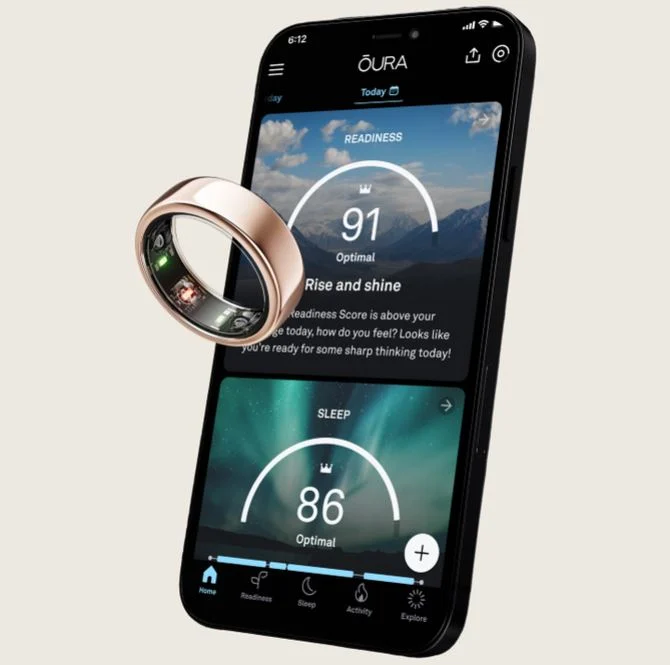
Oura maintains its algorithm has been validated across multiple peer-reviewed studies and previously claimed 79% alignment with gold-standard PSG tests.
The legal challenge comes at a sensitive time for the company, which recently held media briefings in Australia to promote its sleep research.
Oura rings are distributed widely in the Australian market through major retailers including JB Hi-Fi, The Good Guys, and Harvey Norman.
Additionally, Oura confidentially submitted a draft registration statement on May 21, 2026, to the US Securities and Exchange Commission for an initial public offering (IPO), following an October 2025 funding round that valued the company at US11billion(A15.5 billion).
Legal experts note that court proceedings could extend into mid-2027, with potential regulatory and market implications for the broader consumer wearable sector, including competitors like Samsung.