Aldi Australia Squeezed as ‘Special Buys’ Retreat and Profit Drops
 David Richards
24 Aug 2026
David Richards
24 Aug 2026
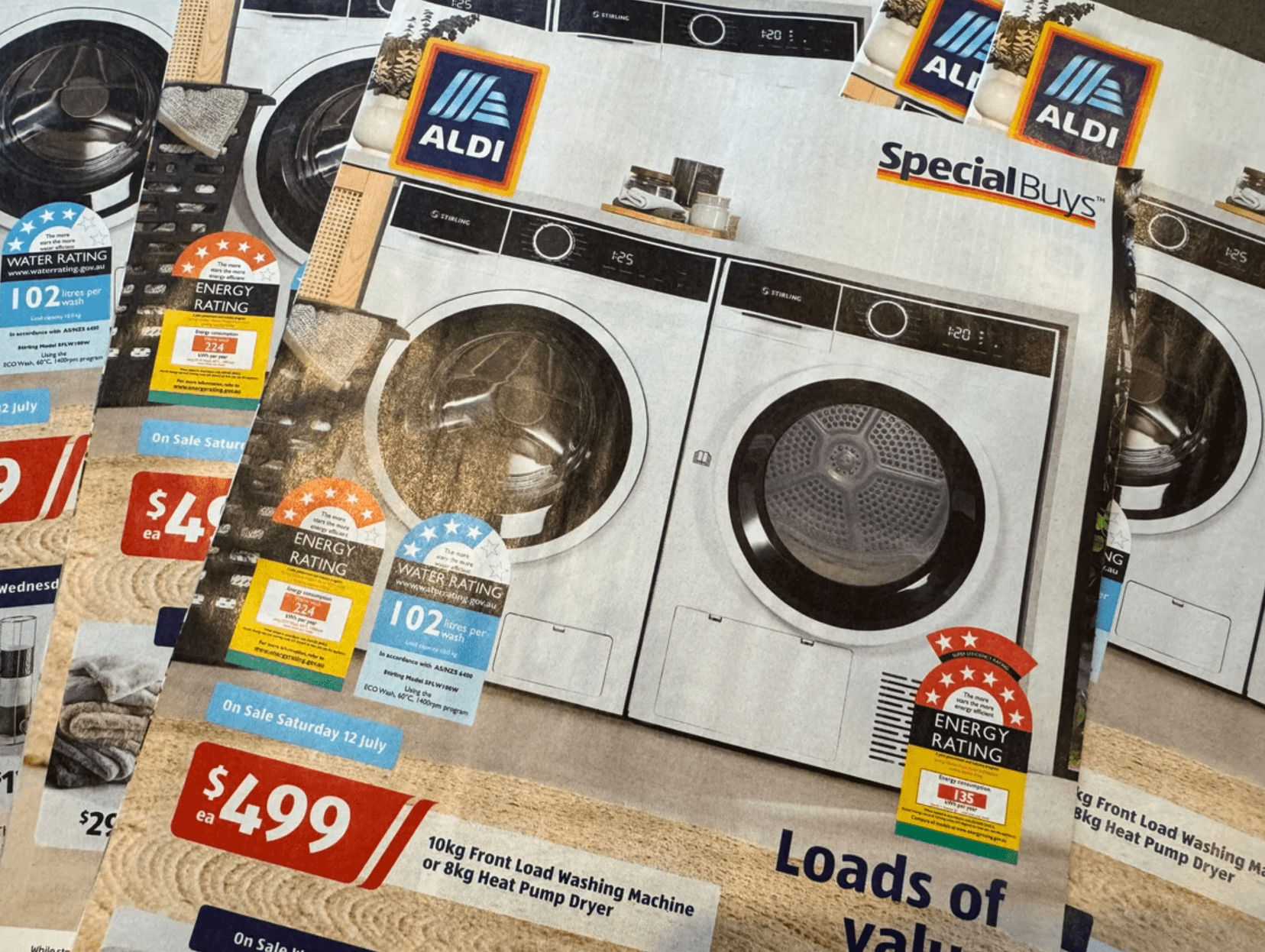
Consumer electronics and home appliance vendors are facing significant order cutbacks from Aldi Australia, as easing inflationary pressures and aggressive rival discounting undermine the core pillars of the discount supermarket’s growth engine.
According to sector sources and reports in The Australian Financial Review, the German-owned retailer is slashing its famed middle-aisle “Special Buy” inventory by roughly 20 per cent with the big losers tipped to be branded products Vs housebrand products from distributors.
he operational pivot hits third-party consumer technology and small-appliance manufacturers that have historically relied on the grocer to offload high-volume excess stock.
The retreat follows a sharp financial deceleration for the discount giant.
For the financial year ending December 2025, Aldi Australia generated A$13.94 billion in revenue—a 4.8 per cent year-on-year increase that marks a notable slowdown from the 10% growth recorded the prior year.
More critically, net profit plummeted nearly 20% per cent from A$417 million to A$337.4 million, signaling acute margin compression across the company’s local footprint.
The financial pressure highlights a structural shift in consumer behavior.
While the height of the cost-of-living crisis funnelled price-sensitive shoppers into discount channels, moderating inflation has changed customer dynamics.
Data released by the Reserve Bank of Australia underscores a broader trend across the retail sector: softening demand is forcing store chains into heavy promotional discounting while rising labor, inventory, and operational overhead cannot easily be passed on to shoppers.
For Aldi, maintaining its mandatory price gap against incumbents has proven increasingly costly.
Market leaders Coles and Woolworths have mounted aggressive price-matching campaigns, expanded promotional activity, and leveraged proprietary loyalty programs to reclaim market share lost during the peak of food inflation.
The competitive pressure comes despite a regulatory review by the Australian Competition and Consumer Commission (ACCC), which noted that while major supermarket margins expanded over the past five years, political scrutiny has forced all major players to fiercely defend their value credentials.
To protect its market position, Aldi appears to be accepting squeezed margins in exchange for driving volume, reducing the footprint of third-party consumer electronics and leaning into its core private-label offerings.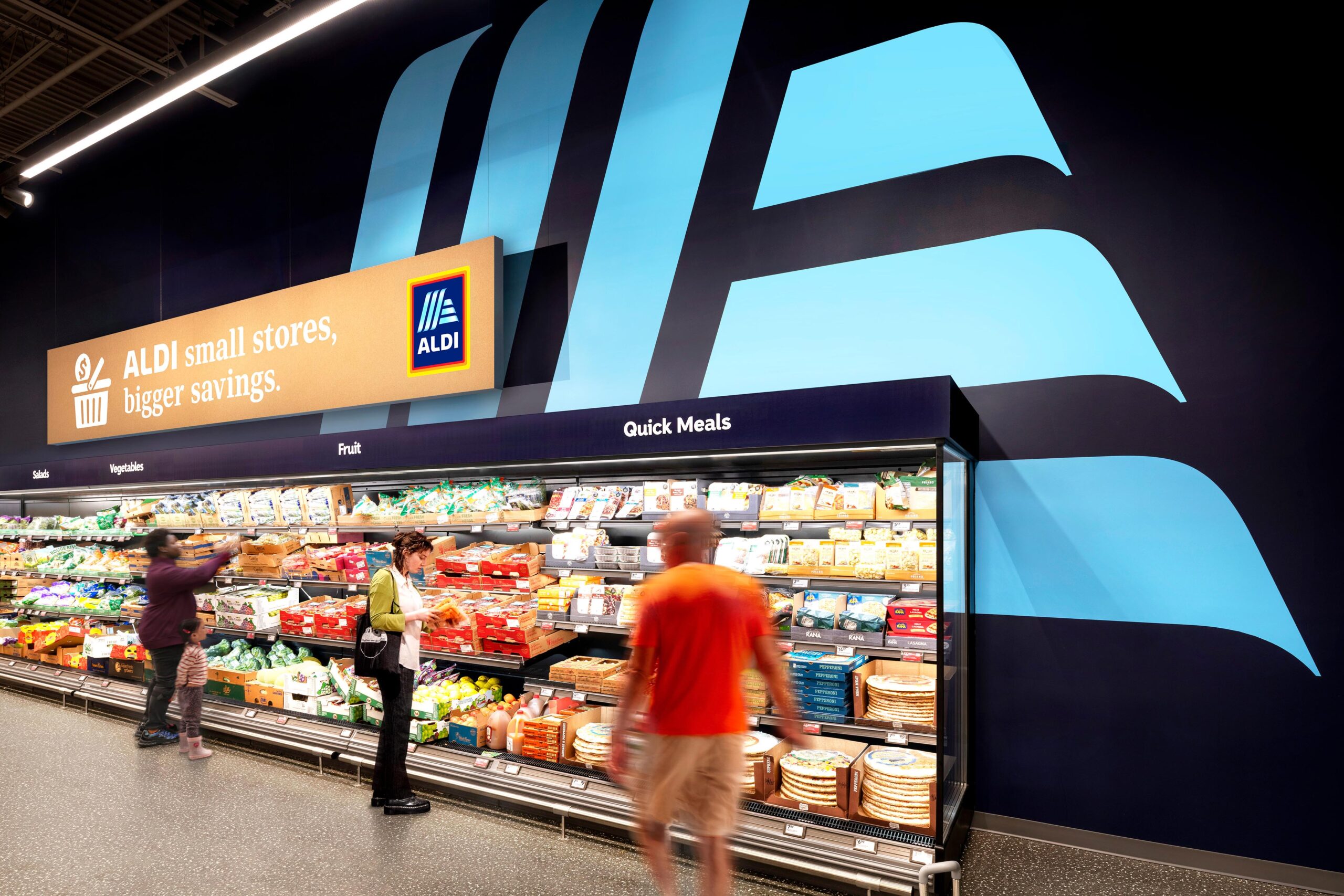
However, equity analysts warn that the strategy carries downside risk.
In a research note to clients, Barrenjoey retail analyst Tom Kierath noted that shifting away from recognized, major national brands has dampened customer engagement.
“Our July consumer survey shows falling perceptions for Aldi and IGA, compared with Coles and Woolworths, which have been stable,” Kierath stated.
“Our survey shows a pull-back from value-seeking, with consumers buying less private label, less on promotion, and less at discounters.
”While analysts emphasize that Aldi’s Australian business is far from a crisis, the structural headwinds reveal that falling inflation does not inherently favor the discounter’s low-overhead model.With traditional supermarket rivals executing targeted price drops, Aldi faces an uphill battle to preserve its historic value advantage across both core groceries and its general merchandise aisles.
Questions have also been raised as to whether Aldi Special Buy programs are under siege from online traders such as Temu.