Samsung’s First XR Headset Nears Launch, Leak Claims
 Isabella Alexiou
22 Sep 2025
Isabella Alexiou
22 Sep 2025

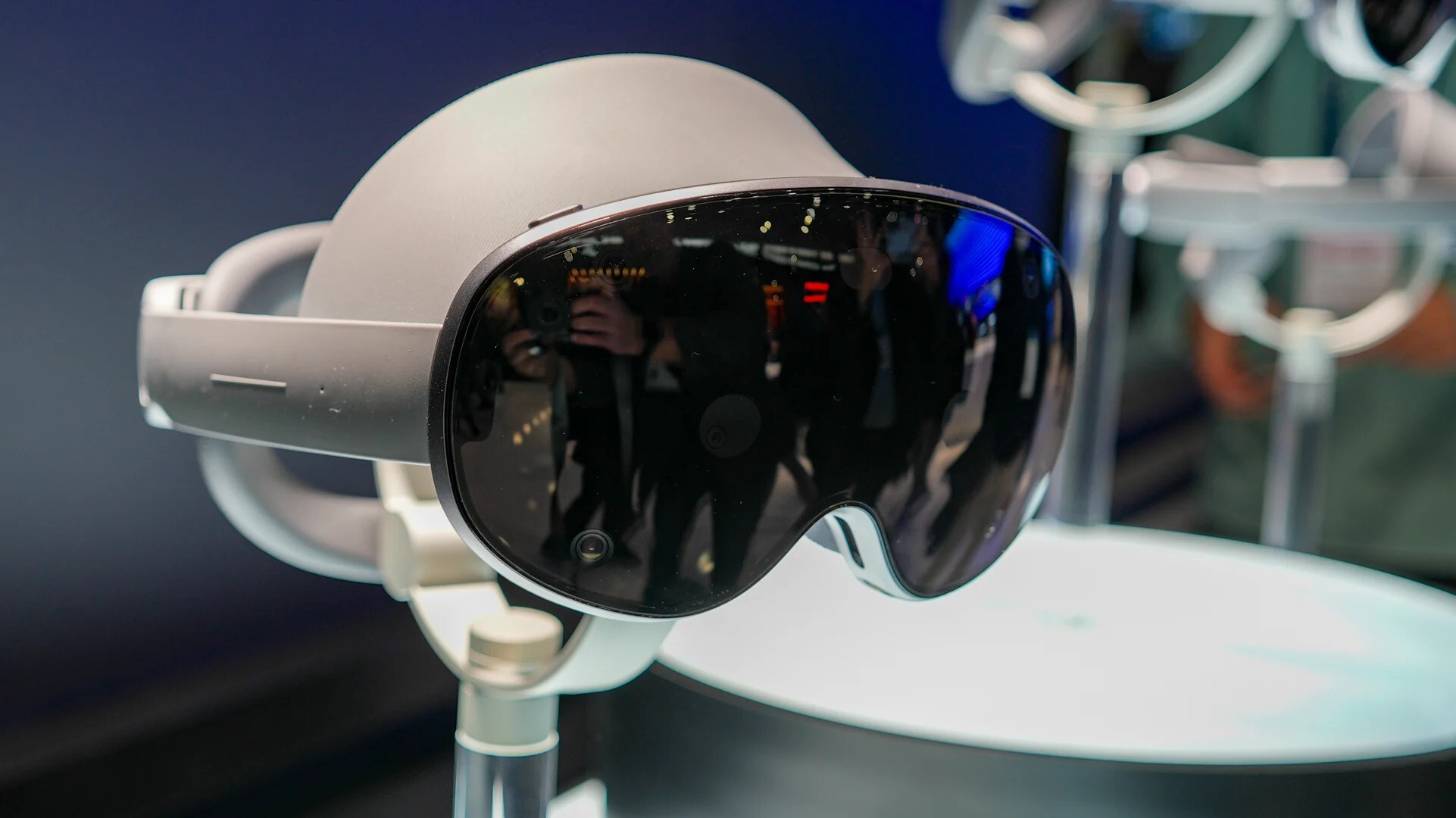
Samsung’s long-rumoured mixed-reality headset, codenamed “Project Moohan,” will reportedly be unveiled on October 21 during an online event, with initial production targeting 100,000 units to test market demand.
According to Korean publication ETnews, the launch was delayed from September 29 for additional refinement, positioning Samsung to enter the XR market between Meta’s budget-friendly Quest 3 and Apple’s ultra-premium Vision Pro.
The headset’s reported specifications suggest Samsung is aiming for the premium segment:
- Micro-OLED panels with approximately 3,800ppi resolution
- Qualcomm Snapdragon XR2+ Gen 2 processor
- 16GB RAM
- Multimodal input: voice, eye, and hand tracking
- Android XR platform with OpenXR/Unity support
- Controller-free operation
Corrective lenses will be sold separately through local eyewear partners, following Apple Vision Pro’s approach rather than Meta’s integrated prescription lens system.
Pricing is expected in the high-2-million KRW range (approximately $2,500-$2,800), positioning it below Apple Vision Pro’s $5,999 starting price but above Meta Quest 3’s $799-$1,049 range.
This middle-ground strategy targets Vision Pro-curious buyers seeking premium features without the extreme price, while offering significantly better specifications than budget VR options.
Industry observers identify several key challenges Samsung must address:
- Hardware comfort: Weight distribution and battery life remain major hurdles for extended mixed-reality use, potentially more important than raw specifications.
- Input reliability: Controller-free hand and eye tracking needs to feel natural in everyday applications, not just controlled demonstrations.
- Content ecosystem: Android XR requires a compelling day-one library spanning productivity, media, fitness, and unique experiences to justify the premium price.
Samsung reportedly plans a separate autumn launch for its tri-fold Galaxy G Fold smartphone, which could overshadow the XR headset depending on market reception and innovation level.
Samsung’s entry comes as the XR market reaches an inflection point:
- Meta Quest 3 dominates the mainstream segment with strong content library
- Apple Vision Pro struggles with adoption due to $6,000+ pricing
- Pico and HTC compete in enterprise segments
- Magic Leap pivots away from consumer market
Samsung’s Android XR platform could provide the ecosystem advantage Apple leverages with iOS, potentially attracting Android smartphone users seeking seamless integration.
While Australian availability hasn’t been confirmed, Samsung’s strong local presence suggests eventual release. At estimated $2,500-$2,800, the headset would compete with premium gaming laptops and high-end smartphones for consumer technology budgets.
Local considerations include:
- Limited XR content tailored for Australian market
- Potential import delays and warranty concerns
- Need for local eyewear partners for prescription lenses
- Competition from established Quest ecosystem
Samsung’s XR headset represents a calculated bet on the “goldilocks zone” between budget and luxury.
Success depends less on impressive specifications, which appear competitive, and more on execution of comfort, software polish, and content availability.
If Samsung delivers natural-feeling controls, comfortable extended wear, and meaningful Android integration, it could capture users unwilling to pay Apple’s premium or accept Meta’s privacy trade-offs.
However, without compelling exclusive content or breakthrough comfort improvements, it risks becoming another capable device in an increasingly crowded market.
The October 21 reveal will need to demonstrate not just technical capability, but a clear vision for why consumers should choose Samsung’s interpretation of mixed reality over established competitors.