Samsung Tightens Grip On Audio As IFA 2026 Expands Its Sound Halls
 David Richards
02 Sep 2026
David Richards
02 Sep 2026
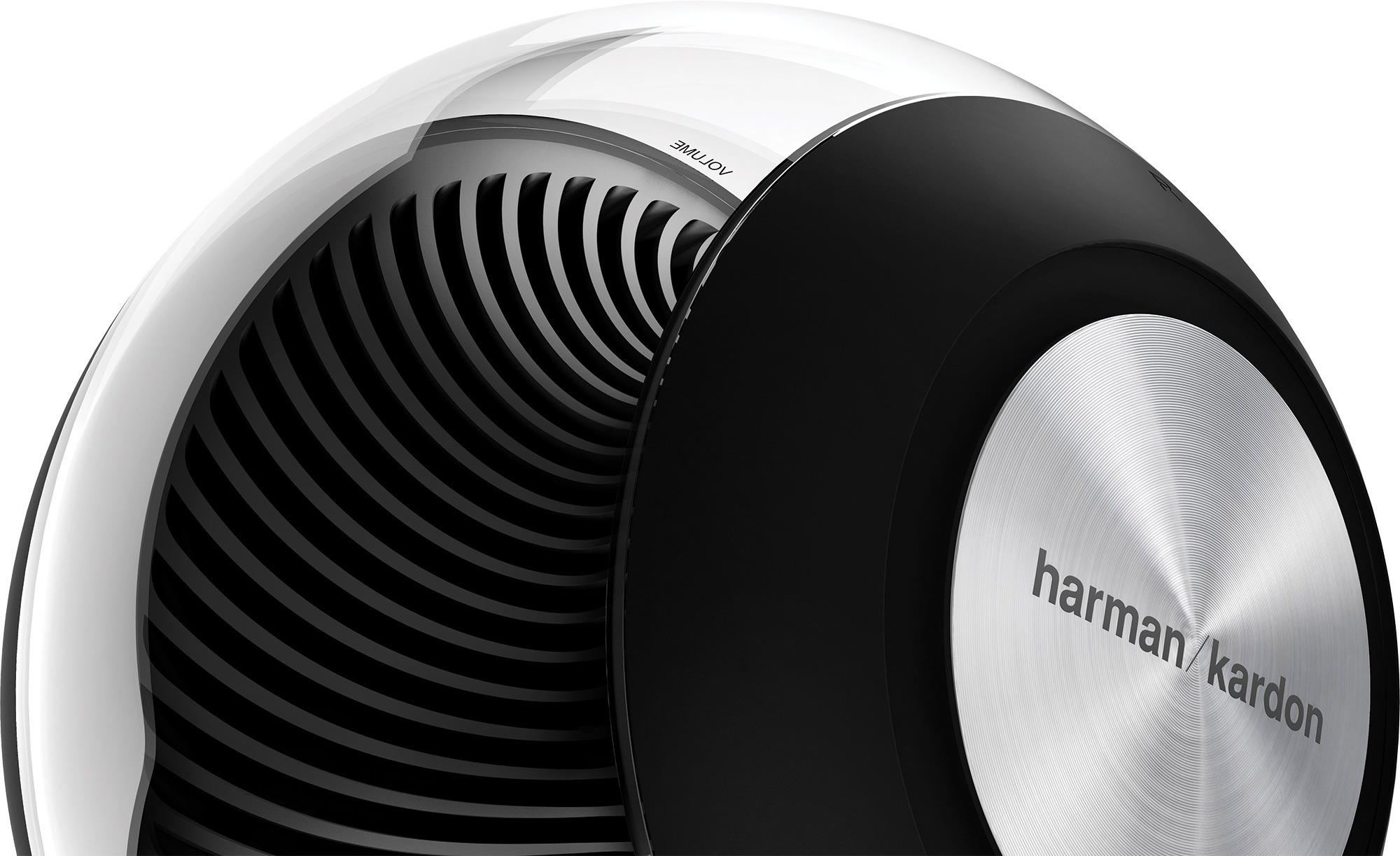
Rival audio brands at IFA 2026 in Berlin claim Samsung’s expanded HARMAN portfolio is making it increasingly difficult to compete, even as show organisers significantly enlarge the event’s dedicated audio precinct covering headphones, speakers, soundbars, DJ gear and lifestyle audio.
Multiple exhibitors have told ChannelNews that the scale of the Samsung owned HARMAN business, which now spans mass market Bluetooth through to high end electronics, is squeezing the ability of independent brands to differentiate.
At this years IFA the audio area is 85% made up of Chinese audio brands that withing three to four years could become household names in Australia.
One executive said it was becoming hard to “create a marketing difference” in a market increasingly shaped by Samsung product.
The complaints follow HARMAN’s completion of its US$350 million acquisition of Sound United in September 2025, a deal first announced in May of that year. It delivered Bowers & Wilkins, Denon, Marantz, Polk Audio, Definitive Technology, Classé, HEOS and Boston Acoustics into a portfolio that already included JBL, Harman Kardon, AKG, Arcam, Revel, Infinity, Lexicon and Mark Levinson, taking Samsung’s audio brand count past 20. Sound United continues to operate as a standalone business inside HARMAN’s lifestyle division.
One owner, every price point
The significance is not simply the number of brands.
Samsung now holds a credible proposition at almost every meaningful price point in consumer audio, from sub $300 wireless speakers to six figure high end electronics, alongside dominant positions in automotive and TV audio.
Market segment HARMAN/Samsung position
Mass Bluetooth and portable JBL
Headphones and pro audio AKG, JBL
Mainstream home audio JBL, Denon
Multiroom JBL Cove, Denon/HEOS
AV receivers Denon, Marantz, Arcam
Premium loudspeakers Bowers & Wilkins, Revel
High end electronics Marantz, Arcam, Classé, Mark Levinson
Automotive JBL, Bowers & Wilkins, Mark Levinson, Harman Kardon
TV and home cinema Samsung plus JBL and Sound United brands
Competing manufacturers at the show also raised Samsung’s position as a memory supplier, arguing that component pricing is now working against rivals at a time when memory costs are climbing across the consumer electronics industry.
JBL moves on Sonos
The clearest evidence of the new strategy landed on the eve of the show. On 1 September JBL unveiled Cove, a Wi Fi whole home system built around the Cove M1, P1 and X1, respectively.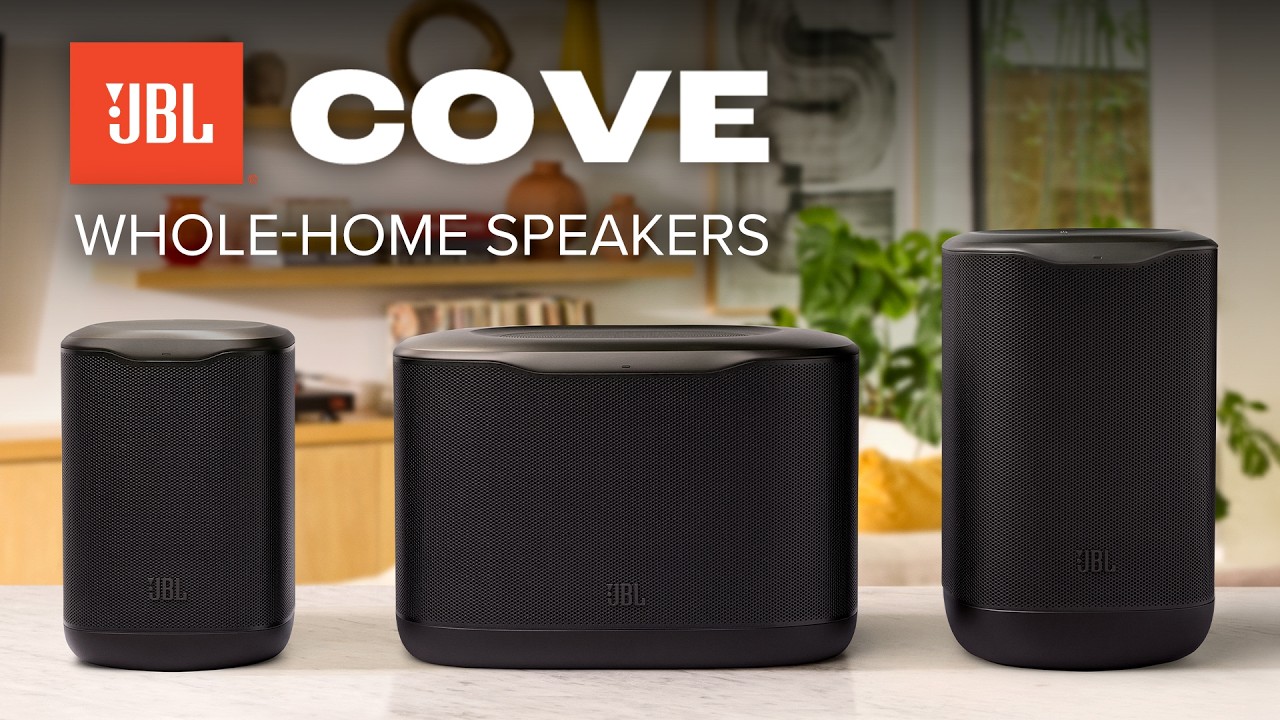
The speakers run individually, as stereo pairs or as a multiroom system through the JBL One app, support AirPlay 2, Google Cast, Roon, Spotify Connect, Tidal Connect and Qobuz Connect, and integrate with JBL Bar Series MK2 soundbars as rear channels.
That is strategically more significant than another Bluetooth speaker launch. HARMAN is converting JBL from a portable audio brand into a home audio ecosystem, and it is doing so directly against Sonos, which has spent the past 18 months managing an app crisis, layoffs and a leadership reset under chief executive Tom Conrad. The timing of the announcement, at the start of an IFA that has made audio a headline category, was not lost on rival exhibitors.
Denon is simultaneously strengthening its own wireless home range following the Home 200, 400 and 600 launched earlier this year, while Marantz is being pushed further upmarket rather than folded into Denon. Its CINEMA Series 2 AV receivers, announced in August, add Dirac support, a new DAC architecture and expanded Dolby Atmos functionality.
For now HARMAN is not rationalising the acquired brands into a single consumer facing platform. It is holding separate brand identities while consolidating engineering, software, distribution, automotive relationships and purchasing behind them. Whether HEOS, JBL One and Samsung SmartThings eventually converge technically is the question the rest of the industry is watching.
Chinese brands move up the value chain
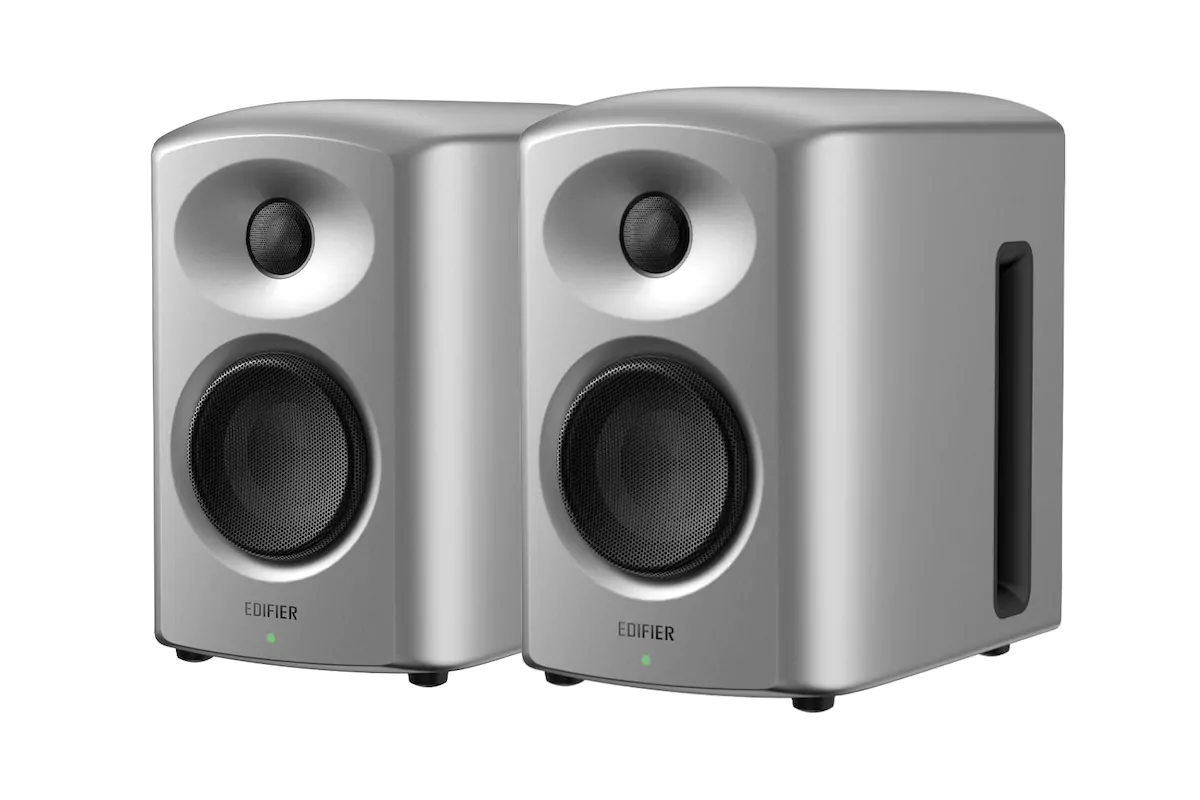
IFA has also used the expanded audio area to platform a new tier of Chinese manufacturers. Edifier is making its debut in the IFA audio halls with headphones and speakers, having historically concentrated on CES.
Edifier, Moondrop, Fosi and Ultimea are no longer anonymous OEM suppliers. They are internationally marketed brands spanning enthusiast hi fi, headphones, wireless speakers and Atmos home cinema, and IFA’s decision to highlight them alongside the established players is a signal in itself.
Bose, Sony and the TV convergence play
Bose introduced its Lifestyle Collection in May, a wireless smart speaker, soundbar and subwoofer designed to work together in flexible whole home configurations with Google Cast and AirPlay, putting Bose and JBL on strikingly similar trajectories in 2026.
Sony has a presence at the show and has revealed a bass focused ULT speaker line including three ULT Tower party speakers, although its official IFA listing sits primarily under content creation rather than the dedicated audio hall.
Samsung, meanwhile, is demonstrating the convergence the Sound United deal makes strategically interesting. The Samsung HiFi S99H, developed with Danish audio brand CANVAS HiFi, integrates the company’s flagship 2026 OLED panel with a furniture style high end audio module, debuting on 4 September in Hall 21. If launched in Australia the price could be around $15,000.
CANVAS gallery availability from October in Europe and no Australian release date set.
AI is the other recurring theme, entering headphones and earbuds through live translation, transcription, adaptive noise cancellation and on device assistants, a category expansion that is fragmenting listening into more product tiers even as ownership consolidates at the top.