Dyson Launches CameraJet Toothbrush With AI Gap Detection
 April Ossington
02 Sep 2026
April Ossington
02 Sep 2026
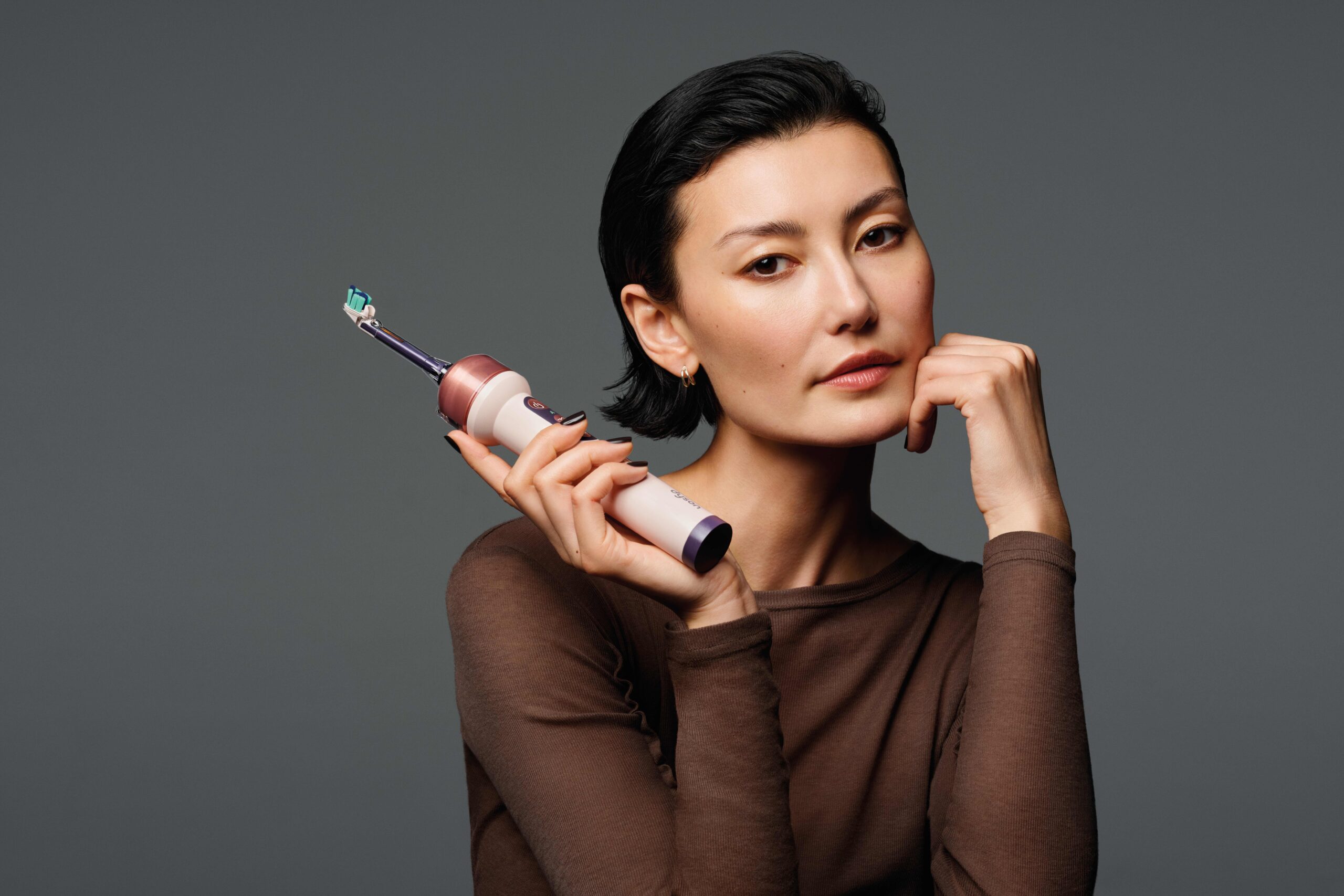
Dyson has entered the oral-care market with the launch of CameraJet, a connected electric toothbrush that combines brushing, targeted liquid flossing and mouth-rinsing with a built-in camera and machine learning.
Available in Australia from 2 September for $799, the Dyson Dental System represents a significant move into a new category for the British technology company, which has spent six years developing the product.
At the centre of CameraJet is a 100,000-pixel macro camera paired with Dyson’s Gap Optical Targeting system. The camera scans 28 images every second to identify spaces between teeth while the user brushes.
When a gap is detected, the toothbrush can trigger a targeted conical jet of mouthrinse within 100 milliseconds. Dyson says the system is intended to clean areas between teeth that are frequently missed during conventional brushing.
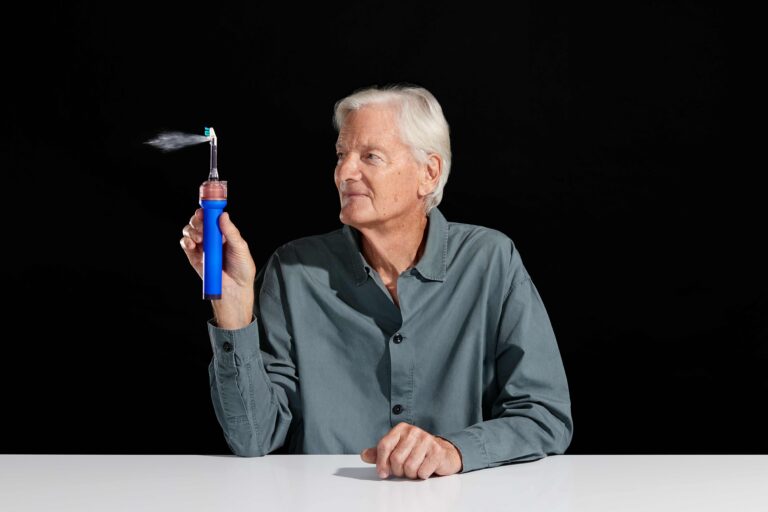
The machine-learning system has been trained using 470,000 dental images collected during development, while the toothbrush itself runs on around 16 million lines of code.
Rather than using the narrow water stream found on many conventional water flossers, CameraJet employs a broader conical spray. Dyson says its engineers developed the jet to sweep plaque away from between teeth while operating at lower pressure to reduce stress on gums and enamel.
The company spent five years working with the National University of Singapore’s Faculty of Dentistry to develop a proxy material that behaves similarly to dental plaque, allowing engineers to repeatedly test different jet designs without conducting a clinical trial for every prototype.
CameraJet carries 12.5ml of mouthrinse inside its handle. An internal diaphragm pump and pressure chamber are designed to maintain a consistent flow regardless of whether the toothbrush is held vertically, diagonally or horizontally.
This is particularly important when cleaning behind teeth, where conventional liquid systems can draw air into their reservoir when tilted.
A supplied charging dock can refill the mouthrinse reservoir in around three seconds while also recharging the toothbrush between uses.
Dyson has also redesigned the conventional electric toothbrush head. Its Dual Bristle Brush Head uses firmer inner bristles to target surface staining and softer outer bristles around the gumline.
The head incorporates what Dyson calls variable sonic oscillation. Instead of maintaining one fixed movement, the toothbrush changes the angle of oscillation to help prevent bristles becoming stalled against the surface of a tooth.
Dyson claims independent testing found the system removed up to 69 per cent more plaque in difficult-to-reach areas than market-leading premium electric toothbrushes.
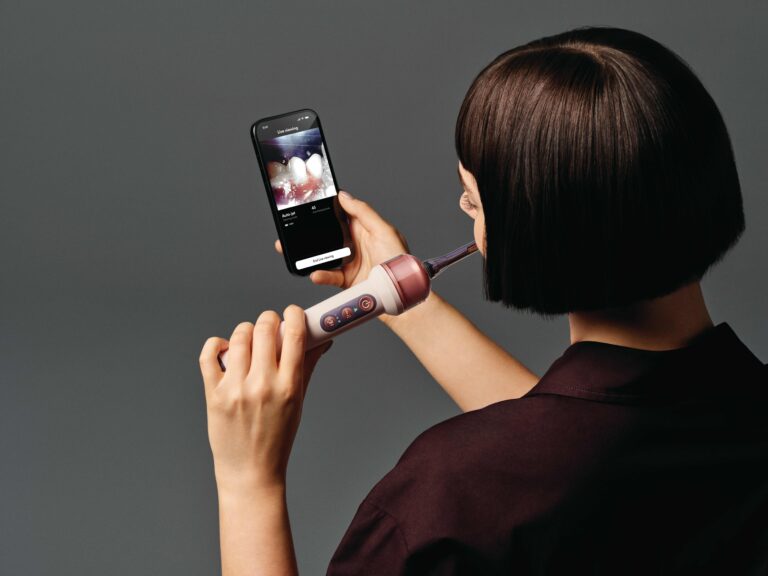
Each brush head also contains an RFID tag that allows CameraJet to identify the head, track the number of cleaning sessions completed and alert the user when replacement is recommended. A softer brush head will also be offered for people with sensitive teeth or gums.
The company has developed its own toothpaste and mouthrinse to accompany CameraJet.
Dyson’s toothpaste has been formulated without sodium lauryl sulphate, commonly known as SLS, to reduce foaming that could interfere with the camera’s view. The mouthrinse is similarly designed to produce limited foam while being delivered through the jet system.
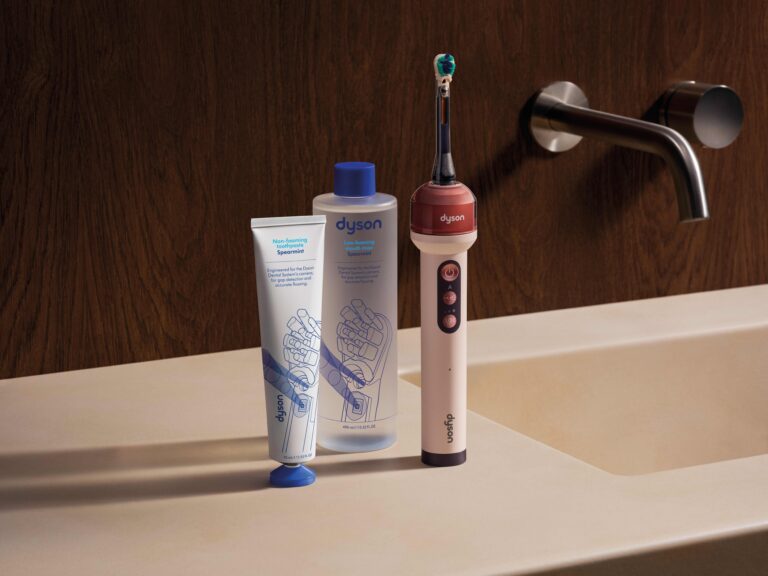
Dyson CameraJet, hero imagery, JPEG, PSD
Both formulations contain sodium fluoride, phosphates and xylitol and will be offered in Ginger Mint and Spearmint flavours.
Connectivity plays a major role in CameraJet. The toothbrush supports 2.4GHz Wi-Fi and Bluetooth and connects with the MyDyson app.
Its camera can provide a live view inside the user’s mouth, while the app provides guided cleaning, brushing and flossing information, coverage mapping and personalised feedback.
Users can also choose between automatic and manual liquid-jet activation and adjust brushing intensity.
Dyson says the camera is active only when using the live-view or automatic jetting features. Images are not recorded or stored on the toothbrush or in cloud storage.
The company is positioning CameraJet as an alternative to using separate toothbrush, flossing and mouthwash routines. Dyson says its research found nine in 10 people do not floss as regularly as recommended, while average brushing time is around 45 seconds compared with the commonly recommended two minutes.
The Dyson Dental System includes the CameraJet toothbrush, charging and refill dock, travel case and starter quantities of Dyson toothpaste and mouthrinse.
It is available in Ceramic Ultra Blue and Ceramic Pink through Dyson Australia, Dyson Demo Stores and selected Australian retailers for $799.