CES 2026: Samsung Shows Foldable Screen Upgrade That Could Finally Tame The Galaxy Fold Crease
 April Ossington
14 Jan 2026
April Ossington
14 Jan 2026

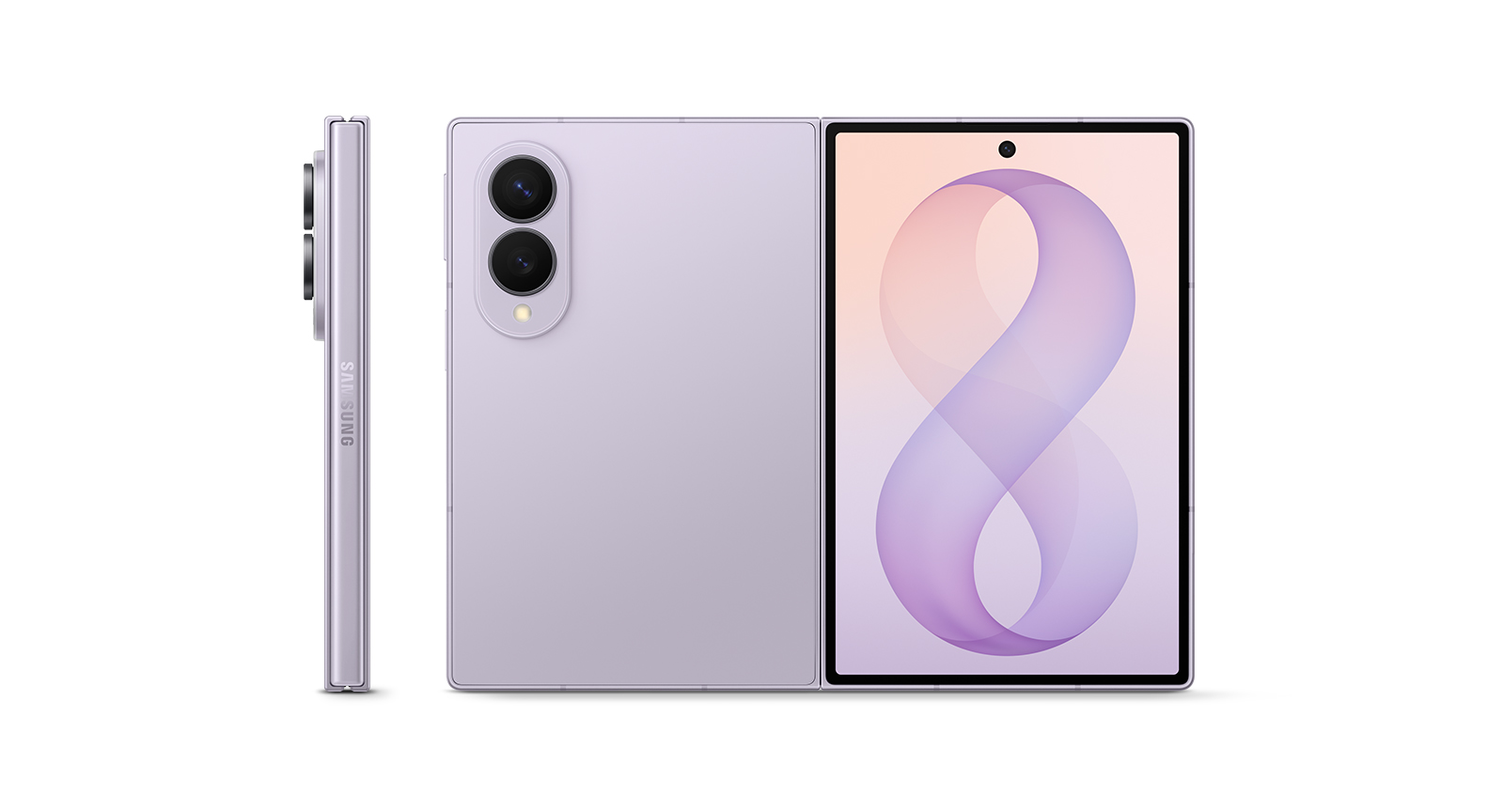
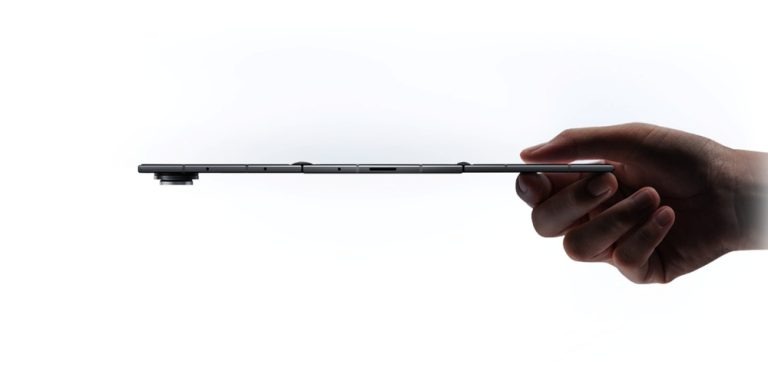
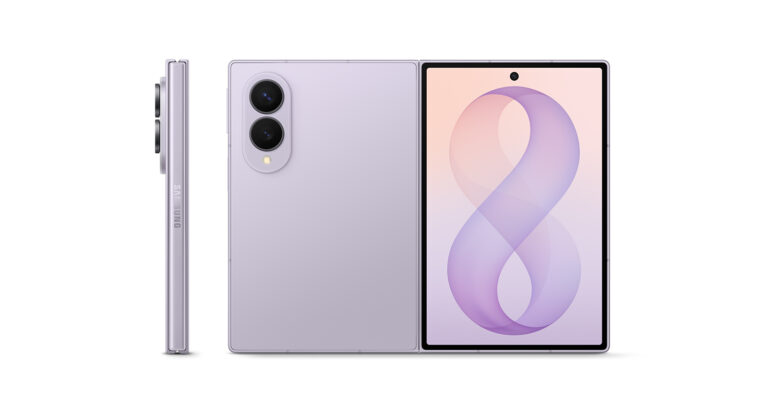
Samsung Display has used CES 2026 to preview a new foldable OLED panel that could noticeably reduce one of the biggest complaints about book-style smartphones, the visible crease down the middle of the screen. According to the company, the indentation on the prototype panel appears around 20 per cent shallower than the one used in the current Galaxy Z Fold 7, making it less distracting during everyday use.
The crease remains one of the most obvious visual compromises of foldable phones, especially on large, bright displays. It can stand out during video playback, appear darker than the surrounding pixels, or catch and reflect light around the hinge area. Even a modest reduction in depth can improve how seamless the screen looks when opened flat.
Despite the progress, the new panel is not yet guaranteed to appear in Samsung’s next foldable flagship. Reports from South Korea suggest Samsung’s mobile division is still weighing whether to adopt the revised display for the Galaxy Z Fold 8, with a final decision expected by the end of the first quarter of 2026. Higher manufacturing costs linked to the new construction are understood to be part of the internal debate.
The improvements are not limited to mechanical hinge tweaks. Much of the work has focused on the internal display layers that repeatedly bend during opening and closing. One area of development involves the optical clear adhesive that bonds the layers together. By allowing the stack to flex and rebound more naturally, Samsung aims to prevent a deep crease from forming over time.
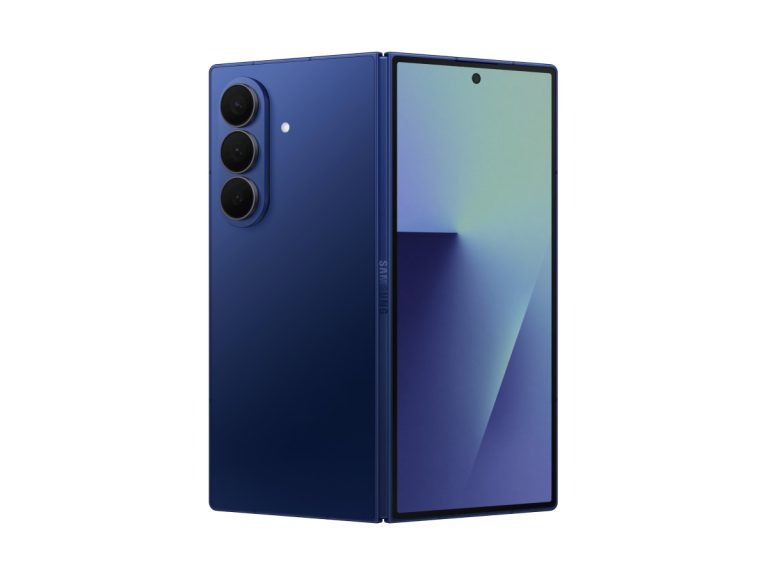
Another reported change is the use of a more rigid reinforcement layer beneath the OLED panel. Instead of a traditional plastic PET film, the company is said to be trialling a thin metal plate to provide stronger structural support, helping the display hold its shape after thousands of folds.
As usual, any advances in foldable screens quickly spark speculation about Apple’s plans. However, the same reports suggest this particular panel design is unlikely to be used in Apple’s first foldable iPhone, largely because Apple is expected to favour a different reinforcement approach under the display.
For prospective buyers, the key moment will come by late March 2026, when Samsung is expected to decide whether the thinner-crease panel makes it into the Galaxy Z Fold 8. If cost concerns win out, the upgrade could be delayed. For now, Samsung’s latest prototype shows that the company is still pushing to make foldables feel closer to a conventional flat-screen experience.