Samsung Set For Record $113 Billion Profit As AI Chip Boom Sends Margins Soaring
 Emma Wheaton
30 Sep 2026
Emma Wheaton
30 Sep 2026
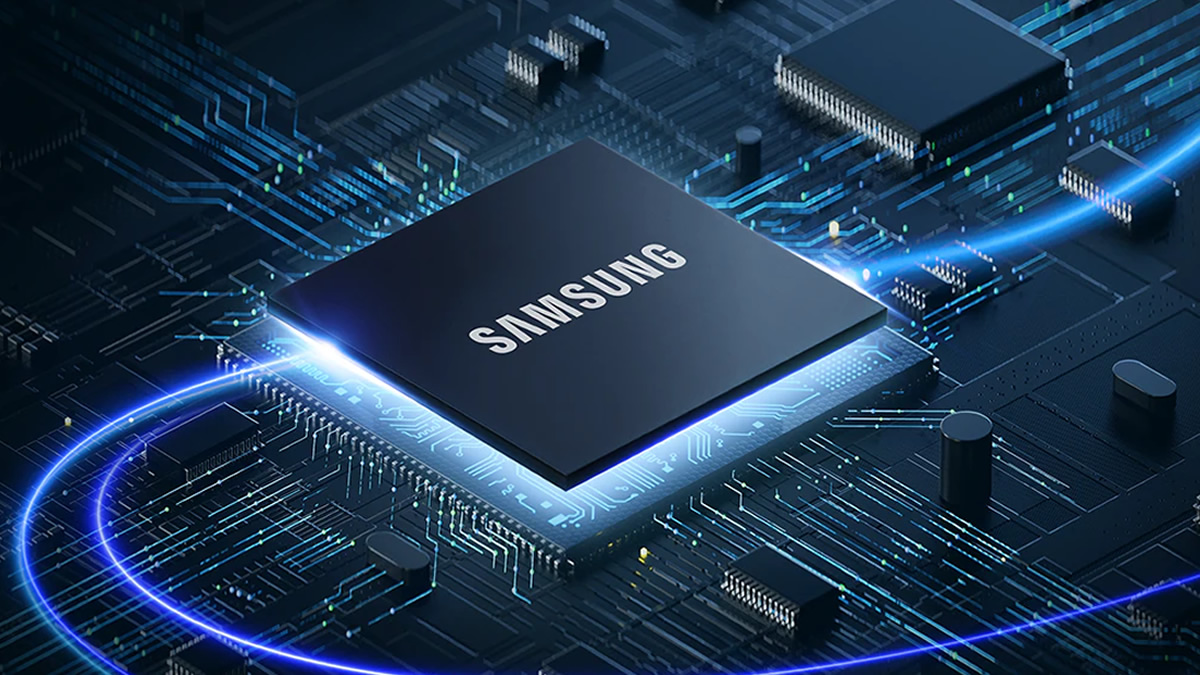
Samsung Electronics is on track to post a record quarterly operating profit of more than 100 trillion won (about A$105.5 billion), as the AI boom drives demand for high-performance memory.
Analysts at DB Securities, Mirae Asset Securities and BNK Securities expect Samsung to report an average third-quarter operating profit of 107.7 trillion won (about A$113.6 billion) up 20.3% from 89.4 trillion won (about A$94.3 billion) in the second quarter, according to reports.
The forecast would mark the first time Samsung’s quarterly operating profit has exceeded 100 trillion won. Of particular note is the strength of the company’s semiconductor business, with analysts forecasting an operating margin of between 72 and 75% for its Device Solutions division.
DRAM margins are expected to be even higher and could potentially exceed 80%.
The high profitability comes as Samsung and other memory manufacturers redirect production capacity towards high-bandwidth memory (HBM), a key component in AI data centres, as well as high-capacity server products.
That shift is reducing the amount of capacity available for conventional DRAM which is tightening supply, even as demand for memory continues to grow.
TrendForce expects DRAM prices to rise between 13 and 18% in the third quarter from the previous three months. While that is a sharp slowdown from the roughly 60% increase recorded in the second quarter, supply constraints mean manufacturers maintain unusually high margins.
In previous memory upcycles, higher prices typically encouraged manufacturers to expand capacity, eventually increasing supply and putting downward pressure on prices.
The current cycle is different because new investment is increasingly being directed towards HBM production, meaning additional manufacturing capacity doesn’t immediately mean more conventional DRAM, an industry source cited by The Korea Herald said.
The supply squeeze is already having an affect on delivery times. KB Securities research chief Kim Dong-won said lead times for high-capacity server DDR5 had stretched to as long as 52 weeks in September. And that is compared to the six weeks it usually takes under normal market conditions.
Samsung is expected to increase the proportion of its DRAM capacity devoted to HBM from 33% this year to 40% next year, according to Kim. The share devoted to conventional DRAM is forecast to fall from 65% to 59%, according to reports.
Samsung is one of the world’s largest memory-chip manufacturers and competes with South Korea’s SK hynix and US-based Micron in the HBM market.