Apple Hit With US$5.7 Billion Bill In Haptic Patent Fight
 Emma Wheaton
30 Sep 2026
Emma Wheaton
30 Sep 2026

Apple has been ordered to pay US$5.7 billion (around A$8.2 billion) in damages after a US jury found that its vibration technology, used in devices including the iPhone and Apple Watch, infringed patents held by a smaller technology company.
The verdict against Apple was delivered by a federal jury in San Diego on Friday and represents one of the largest patent damages awards involving the technology giant.
Apple has rejected the finding, saying it has not used Taction’s vibration tech and that it will appeal.
The case was brought by Taction Technology, a company that specialises in haptic technology. The technology systems allow users to physically feel actions taking place on electronic devices.
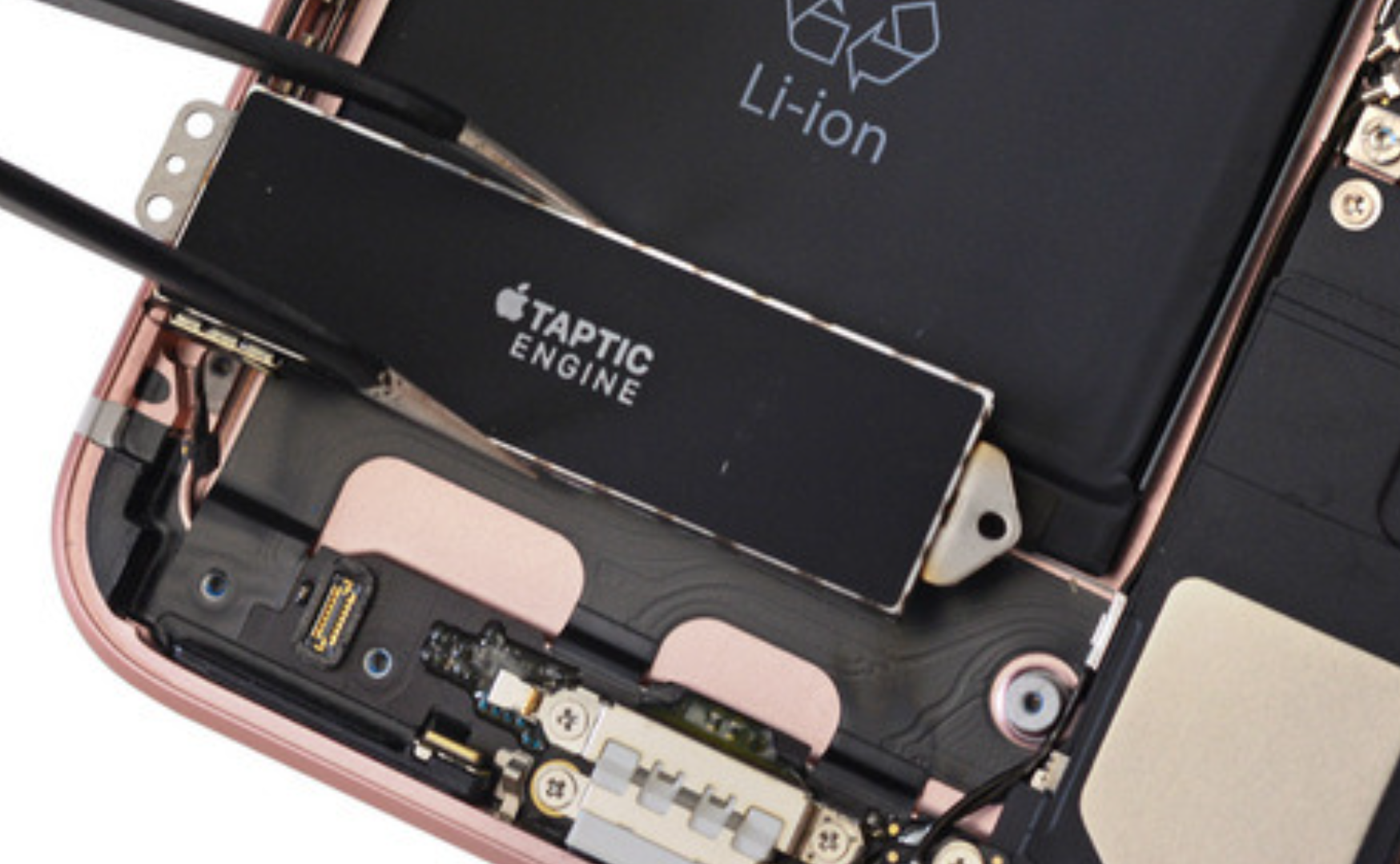
Taction alleged that Apple’s Taptic Engine, which generates the subtle vibrations users feel when interacting with an iPhone or Apple Watch, infringed two of its patents.
Apple introduced the Taptic Engine with the Apple Watch in 2014 before expanding the technology across its product range. It is now used to provide tactile feedback for notifications, controls and other interactions on Apple’s devices.
Taction filed its lawsuit in 2021, claiming Apple had used its patented technology without permission. Apple denied the allegations and argued that its technology was independently developed and that Taction’s patents were invalid.
A US district judge initially ruled in Apple’s favour in 2023, but the US Court of Appeals for the Federal Circuit later revived the case and it went back to trial.
A jury of seven found that Apple’s Taptic Engine infringed claims contained in two Taction patents. However, the jurors did not find that Apple had wilfully infringed the patents, which is an important distinction that could affect subsequent proceedings.
Apple says its Taptic Engine is fundamentally different from Taction’s technology and argued that the damages award was not supported by the facts.
Taction welcomed the decision and its lawyers said the verdict vindicated the company’s patent rights after more than five years of litigation.
The verdict does not necessarily mean Apple will pay the full mulit-billion-dollar amount. The company is expected to pursue post-trial challenges and an appeal, meaning the damages could be reduced, overturned or otherwise altered before the litigation concludes.
The case highlights the important role of haptic technology in consumer electronics, where vibration and tactile feedback have become a standard part of smartphones and wearables.