Samsung Readies SmartThings Fight As Apple And LG Target The Connected Home
 David Richards
08 Oct 2026
David Richards
08 Oct 2026
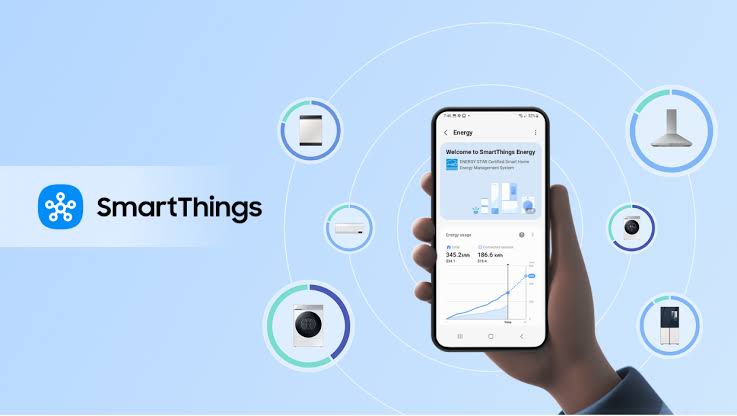
As LG Electronics gets into bed with Samsung arch-rival Apple, Samsung is tipped to crank up the marketing of its SmartThings platform, with the Korean giant expected to use CES to demonstrate why it believes it already has a significant advantage in the battle to control the connected home.
At stake is potentially far more than the sale of a smart display, camera, lock or refrigerator.
The real battle is over which technology company becomes the intelligence and management layer controlling the devices inside millions of homes.
And Samsung arguably starts with the hardware advantage and a product that is well and truely proven in the market unlike Apple’s previous failed home control attempts.
SmartThings is potentially the platform Apple has to beat, particularly when the discussion moves beyond smart speakers and light bulbs to a genuinely connected home involving TVs, appliances, energy management, security, sensors and AI-driven automation.
Apple Turns To LG To Fill The Gaps
The timing is particularly interesting.
Apple’s reported relationship with LG Electronics gives the US technology giant a way of rapidly filling some enormous hardware holes in the Apple Home ecosystem.
Reports this week indicate LG is developing a range of products designed to work closely with Apple’s forthcoming home hub, including a doorbell, thermostat, deadbolt, temperature sensor, indoor and outdoor cameras and a floodlight camera.
Several are expected to support technologies including Matter, Thread, Wi-Fi and Bluetooth.
The problem for Apple is that Samsung already has much of the underlying connected-home architecture operating at enormous scale.
SmartThings is no longer simply an app for controlling Samsung appliances.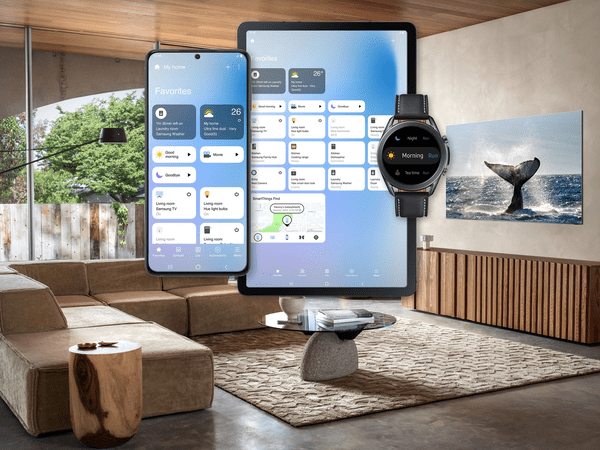
Samsung says the platform has approximately 470 million registered users globally and more than 430 Works With SmartThings certified brands.
In Australia, Samsung said in August that SmartThings had already attracted more than 3.5 million users.
That gives Samsung something Apple cannot manufacture overnight: an established connected-home installed base.
Samsung has also been developing SmartThings for more than a decade, following its acquisition of the platform in 2014.
SmartThings Isn’t Just About Samsung
Critically, Samsung hasn’t restricted SmartThings to its own hardware.
Its strategy is increasingly about positioning SmartThings as an orchestration layer sitting above products manufactured by multiple companies.
Samsung TVs, refrigerators, washing machines, dryers, ovens, air conditioners, robot vacuum cleaners, monitors and soundbars can form part of the ecosystem.
But so can third-party lighting, switches, sensors, locks and cameras.
SmartThings supports Matter and Thread, while Samsung is also a major supporter of the Home Connectivity Alliance.
The ecosystem extends to brands including Philips Hue, Aqara, Arlo, Ring and Eve, among others.
Samsung claimed SmartThings supported more than 4,700 models from more than 390 partner brands by late 2025, while its more recent corporate messaging puts the number of certified brands above 430.
In simple terms, Apple is trying to accelerate into a market where Samsung has already spent years building the plumbing.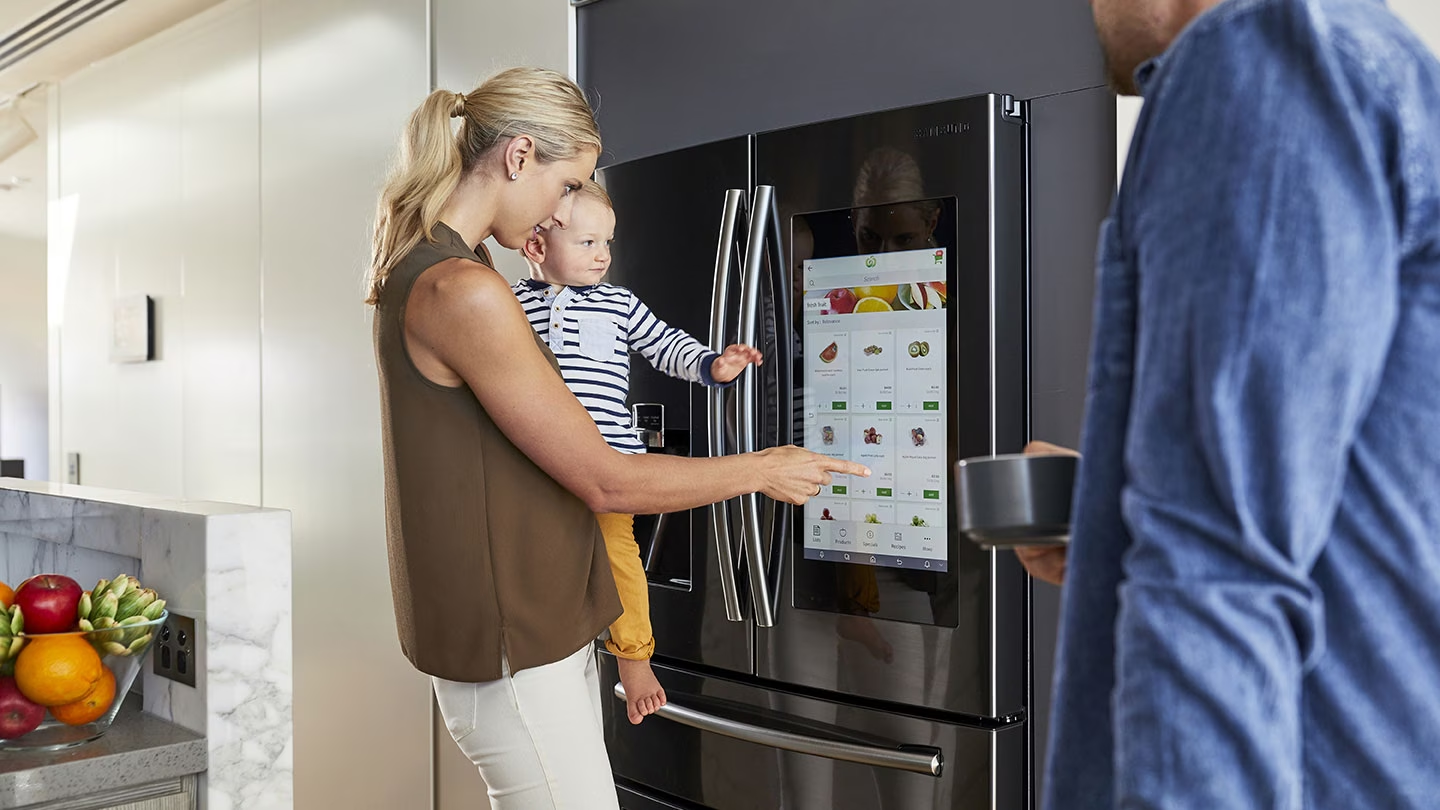
Samsung’s Hidden Weapon Is Already In The Living Room
One of Samsung’s smartest moves has been turning products consumers already buy into SmartThings infrastructure.
A consumer doesn’t necessarily have to go shopping for a dedicated SmartThings hub.
Hub functionality has been incorporated into selected Samsung TVs, monitors, soundbars and Family Hub refrigerators, effectively allowing Samsung to seed connected-home infrastructure through its enormous consumer electronics business.
That creates an interesting scenario.
An Australian consumer buys a Samsung TV without necessarily thinking about building a smart home.
Next comes a Samsung refrigerator, air conditioner or washing machine.
They then add Philips Hue lighting, an Aqara sensor, a Matter-compatible lock or an Arlo security camera.
Increasingly, SmartThings can become the layer sitting above all of them.
This is one of the biggest differences between Samsung’s strategy and the direction Apple appears to be taking.
Apple’s forthcoming Home Hub is expected to be a product consumers consciously buy.
Samsung has spent years quietly putting elements of its smart-home infrastructure into products consumers were going to buy anyway.
That’s a significant strategic advantage.
From Smart Home To AI Home
Samsung is also attempting to move SmartThings beyond the old concept of home automation.
The smart home of the past was largely based around commands: turn on the kitchen lights, adjust the thermostat or show the front-door camera.
Samsung’s emerging AI Living strategy is designed to make the home increasingly proactive.
SmartThings can learn routines, monitor conditions inside the home, optimise electricity consumption and recommend automations based on connected devices.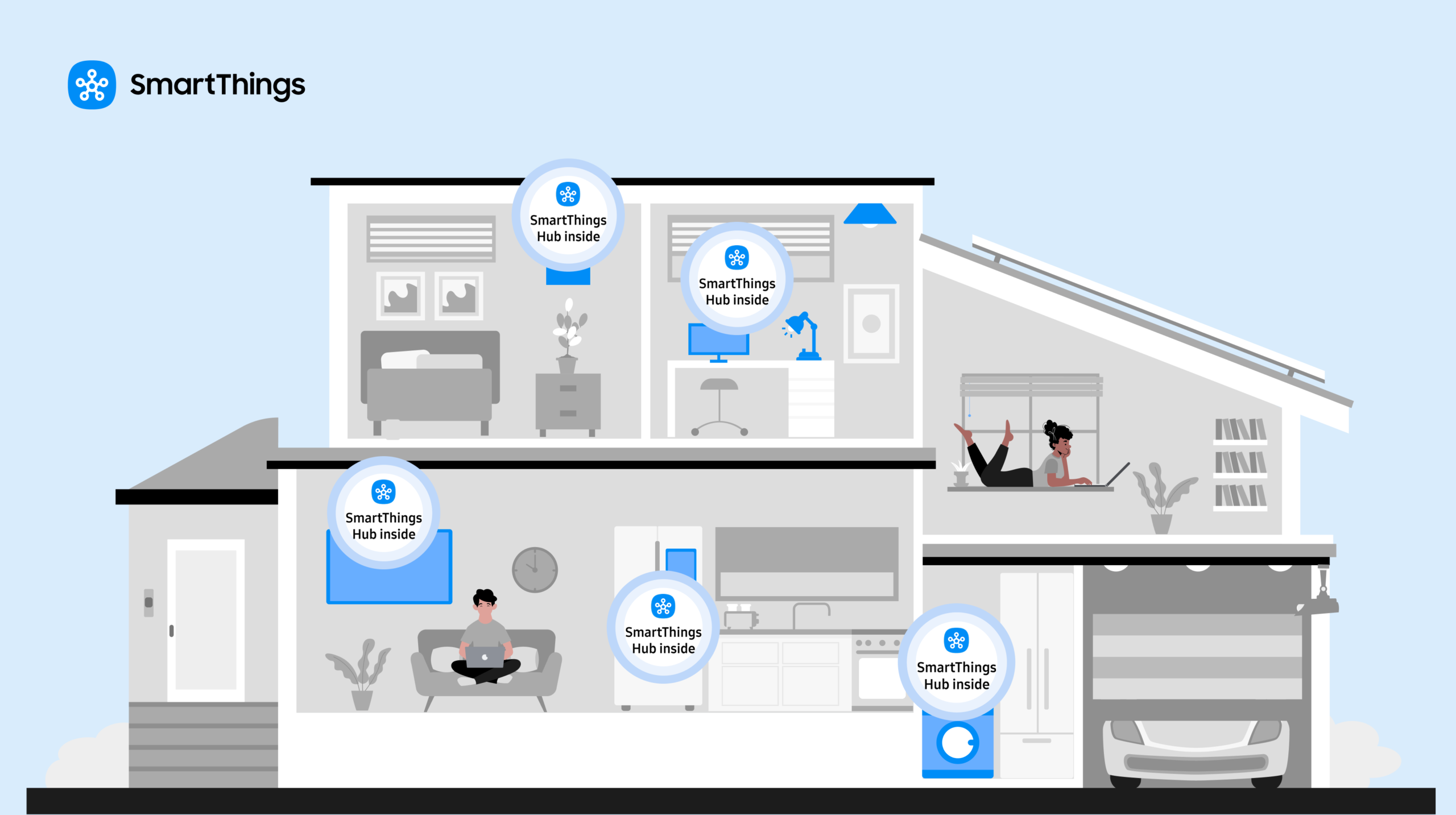
The recently expanded SmartThings interface is another step towards surfacing information and controls when they’re relevant rather than forcing users to constantly navigate an app.
This matters because the next smart-home battle isn’t really about whose app can control the greatest number of light bulbs.
It’s about whose AI can understand what is happening inside the home and coordinate the devices around the consumer without constantly being told what to do.
That potentially plays directly into Samsung’s hands.
It already sells televisions, smartphones, watches, refrigerators, ovens, washing machines, air conditioners, robot vacuum cleaners and numerous other devices capable of generating the contextual information required to make a home genuinely intelligent.
Apple has been under pressure over the pace of its AI development, while Samsung has been aggressively embedding AI across both its Galaxy devices and appliance portfolio.
Apple Has One Enormous Weapon
Apple, however, has an extraordinary advantage of its own.
The iPhone.
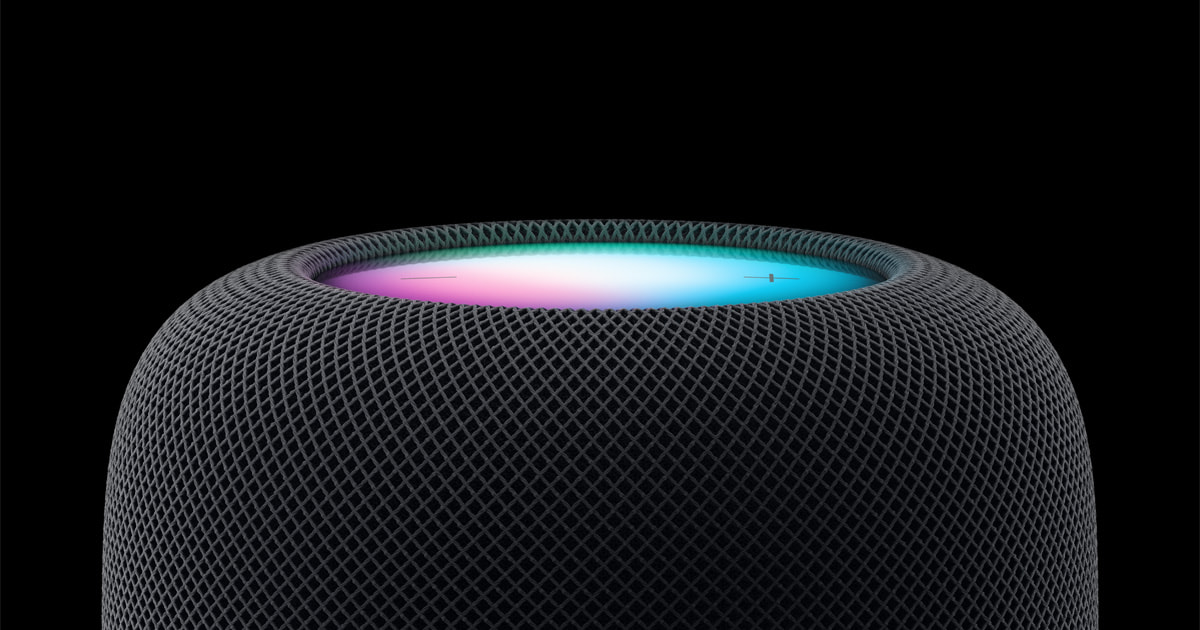
Apple doesn’t need to manufacture refrigerators and washing machines if it can make the iPhone, Apple Watch, Apple TV, HomePod and its forthcoming Home Hub collectively understand who is in the house, where they are and what they are likely to want.
This is where LG becomes strategically important.
LG can start filling the physical hardware gaps Apple doesn’t want, or need, to fill itself.
The reported LG smart lock is particularly interesting because of its expected use of ultra-wideband technology.
Combined with compatible Apple devices, technologies such as UWB potentially allow a home to identify an authorised person approaching a door and react accordingly.
And LG itself isn’t starting from scratch.
The Korean company already operates its ThinQ connected ecosystem across appliances and televisions and has acquired a controlling stake in smart-home platform Homey parent Athom, broadening its reach beyond LG-branded hardware.
Samsung And LG Aren’t Completely Walled Off
There is another twist.
Despite being fierce competitors, Samsung and LG aren’t operating entirely isolated connected-home ecosystems.
Both have participated in industry initiatives designed to improve interoperability, while Matter is increasingly reducing the importance of the old proprietary smart-home walls.
This raises the prospect of consumers ultimately using devices from several competing ecosystems inside the same house.
A future home could contain a Samsung television, LG refrigerator, Bosch oven, Philips Hue lighting, Aqara sensors, Apple Home Hub and several iPhones.
The winner may therefore not be the company manufacturing every device.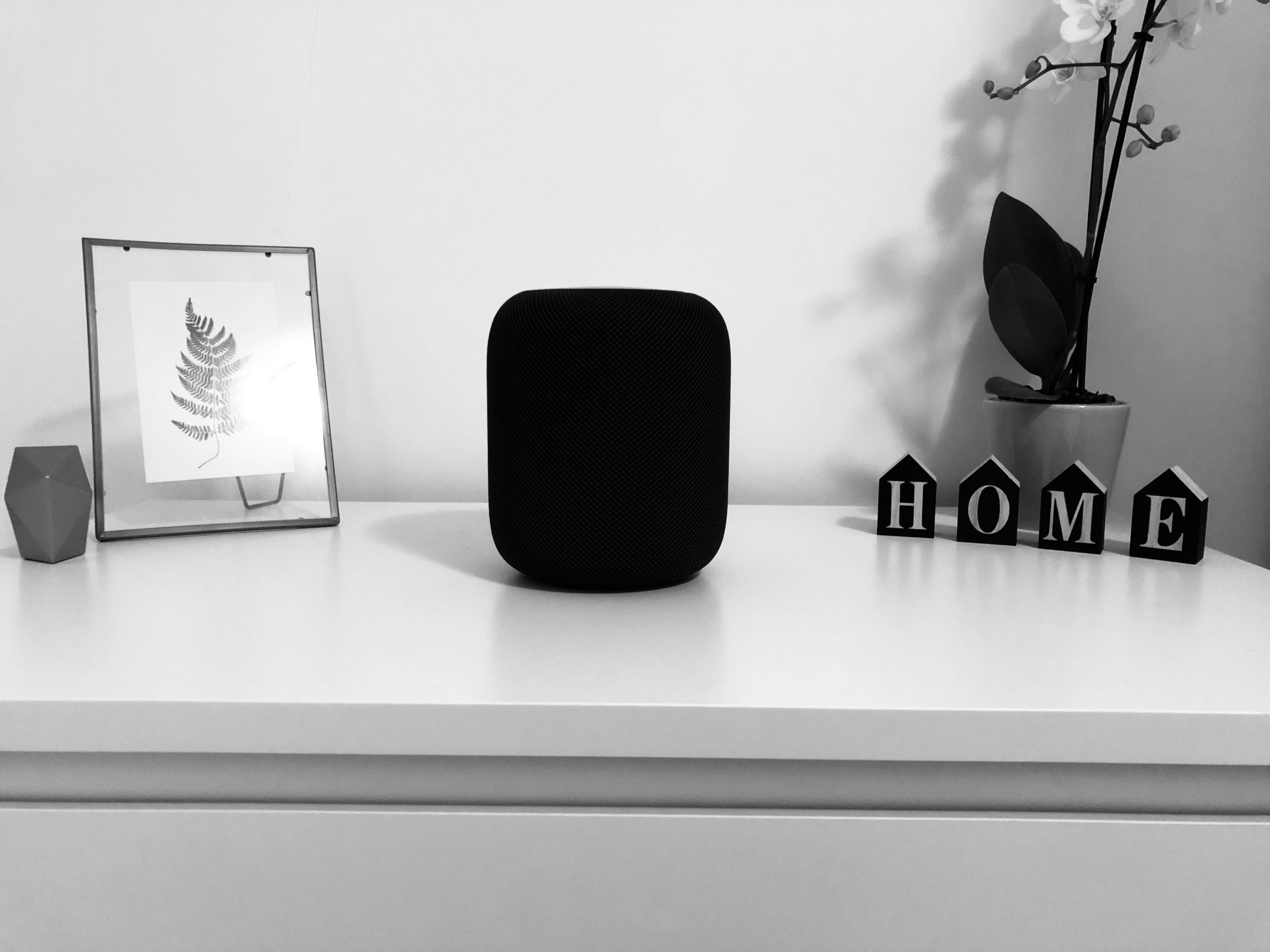
It could be the company whose software and AI becomes the preferred management layer sitting above them.
Samsung wants that layer to be SmartThings.
Apple wants it to be Apple Home.
And LG increasingly appears willing to play on several sides of the fence.
The Bigger Prize Is Lock-In
For Apple, the potential revenue opportunity also goes well beyond selling a thermostat, doorbell or smart display.
The bigger objective is ecosystem lock-in.
Once the home becomes populated with devices that recognise family members, manage security, store video, optimise energy use and automate everyday routines, changing ecosystems becomes significantly more difficult.
Services could ultimately become increasingly important for both Apple and Samsung, particularly cloud video storage, home security, AI services, entertainment and potentially energy management.
It is essentially the ecosystem strategy Apple perfected around the iPhone, except the ecosystem now extends from the person to the property.
This is why the reported LG relationship could ultimately prove more significant than any individual product.
Apple appears to recognise that it doesn’t have to manufacture every thermostat, lock, camera, light, appliance and sensor required to build a complete smart home.
Instead, it can attempt to make Apple Home the intelligence and control layer while companies such as LG provide the physical hardware underneath it.
If LG becomes a major Apple Home hardware partner, there is nothing preventing Apple from extending the model to additional manufacturers.
That could allow Apple to assemble a formidable home hardware ecosystem remarkably quickly.
Samsung, however, doesn’t have to wait.
It already has hundreds of millions of SmartThings users, hundreds of compatible brands and an extraordinary range of its own hardware sitting inside homes around the world.
That sets up what could become one of the biggest consumer technology battles of the next several years.
Apple wants to extend the iPhone ecosystem into the home.