Apple Teams With LG To Take On Google, Amazon And Samsung In Smart Home Push
 David Richards
08 Oct 2026
David Richards
08 Oct 2026
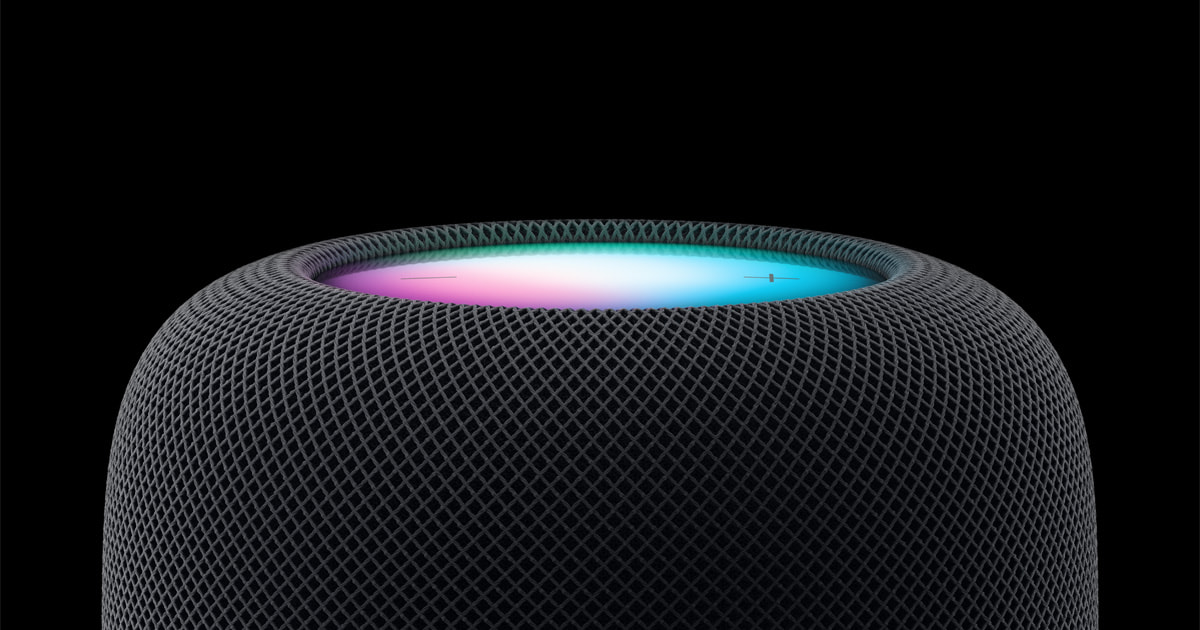
Apple is preparing a major assault on the smart home market, with LG Electronics set to manufacture and sell a range of security cameras, locks, doorbells and thermostats co-developed with the iPhone maker, in a move that could open a lucrative new category for JB Hi-Fi, Harvey Norman and The Good Guys.
ChannelNews understands Apple plans to unveil the centrepiece of its strategy, a new smart home hub, on October 13, alongside an upgraded HomePod mini and Apple TV.
At the same time, LG Electronics has reportedly developed a family of seven smart home products with Apple: a wired video doorbell, a smart deadbolt, a smart thermostat, a temperature and humidity sensor, and indoor, outdoor and floodlight security cameras.
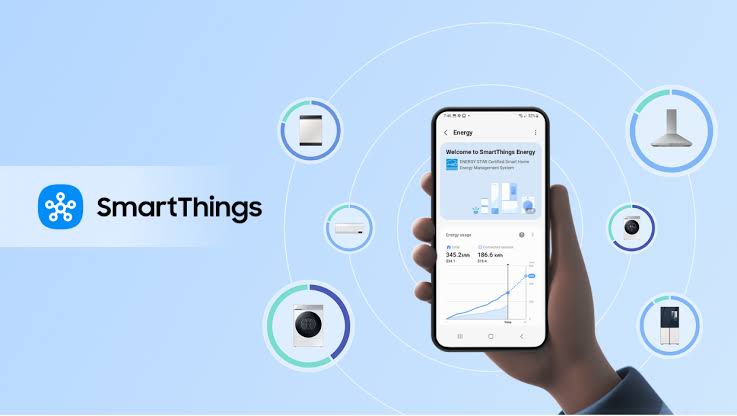
The partnership puts Apple on a direct collision course with Google and Amazon, both of which sell home security devices and in-home control systems, and with Samsung, whose smart home strategy is built around its SmartThings platform.
Not just “works with Apple Home”
The LG products are not simply LG devices that happen to support Apple Home.
Apple has been directly involved in their development, while LG will manufacture, brand, sell and support them.
Regulatory filings already provide evidence of several of the products, although the filings do not name Apple.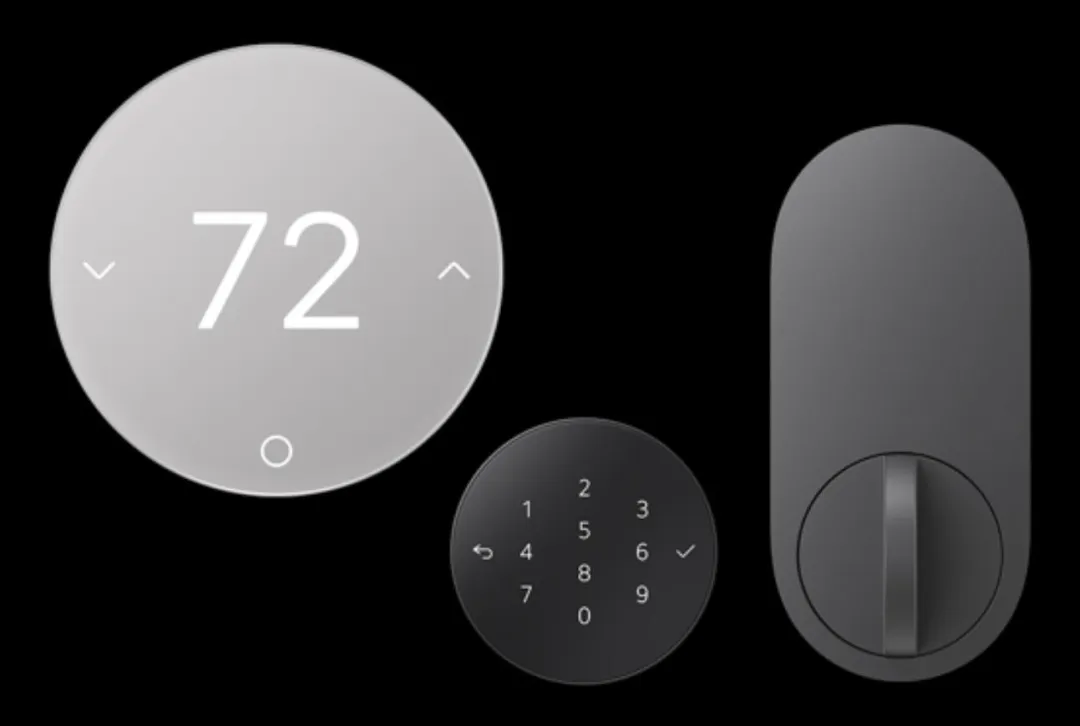
Analysts say the arrangement effectively hands Apple a second-party hardware strategy. Rather than building 20 different Home products itself, Apple can set the architecture, user experience and ecosystem requirements, while a partner such as LG carries the cost and complexity of manufacturing and after-sales support.
That allows Apple to build out a broad hardware ecosystem quickly, without having to manufacture every device in-house.
Lock recognises its owner
Among the products under development is an LG Smart Deadbolt Lock featuring a keypad that, according to filings, “rotates to open”. The adjustable design is intended to stop rotating parts from striking an adjacent wall.
The lock reportedly incorporates Ultra Wideband (UWB) technology, potentially allowing it to recognise an approaching authorised user and unlock automatically.
LG is also developing a thermostat with what is described as a “Far Sight Display”, a feature that appears similar to technology already sold by Google’s Nest.
Regulatory documents show support across the range for Matter, Thread, Wi-Fi and Bluetooth.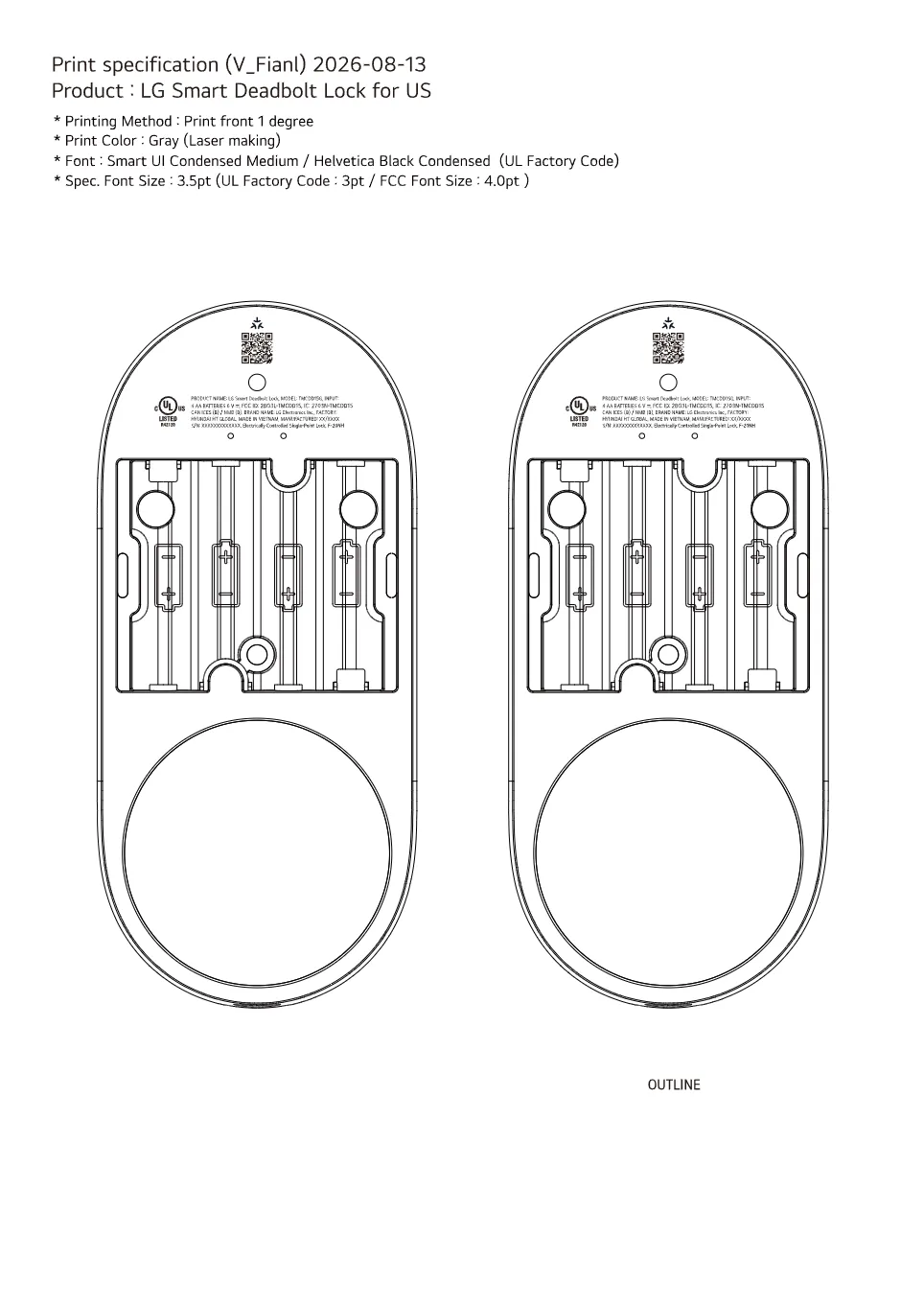
Industry observers say the combination of UWB, Matter and Thread makes the range considerably more significant than another collection of app-controlled gadgets.
The missing piece
According to Apple insiders, the company wants the home to become the next major extension of the iPhone ecosystem.
Apple has had HomeKit, Apple TV, HomePod and the Home app for years, but it has never dominated the smart home the way it dominates smartphones, smartwatches and tablets.
Its rivals each hold a strong position. Amazon has Ring and Alexa. Google has Nest and Google Home. Samsung has SmartThings and an enormous installed base of televisions and appliances.
Apple has had the ecosystem but has lacked a physical control point inside the home. The new hub is designed to fill that gap, setting the stage for a major battle for market share.
Hub knows who is in the room
The Apple hub is reported to feature a square display measuring roughly 15 to 18cm, available in countertop and wall-mounted configurations, and heavily integrated with Apple’s new AI-powered Siri.
It is expected to control smart home devices while also handling communications, calendars, reminders, music, video, security monitoring and personalised household information.
Apple is reportedly designing the hub to recognise which member of the household is using it, and to display information relevant to that person.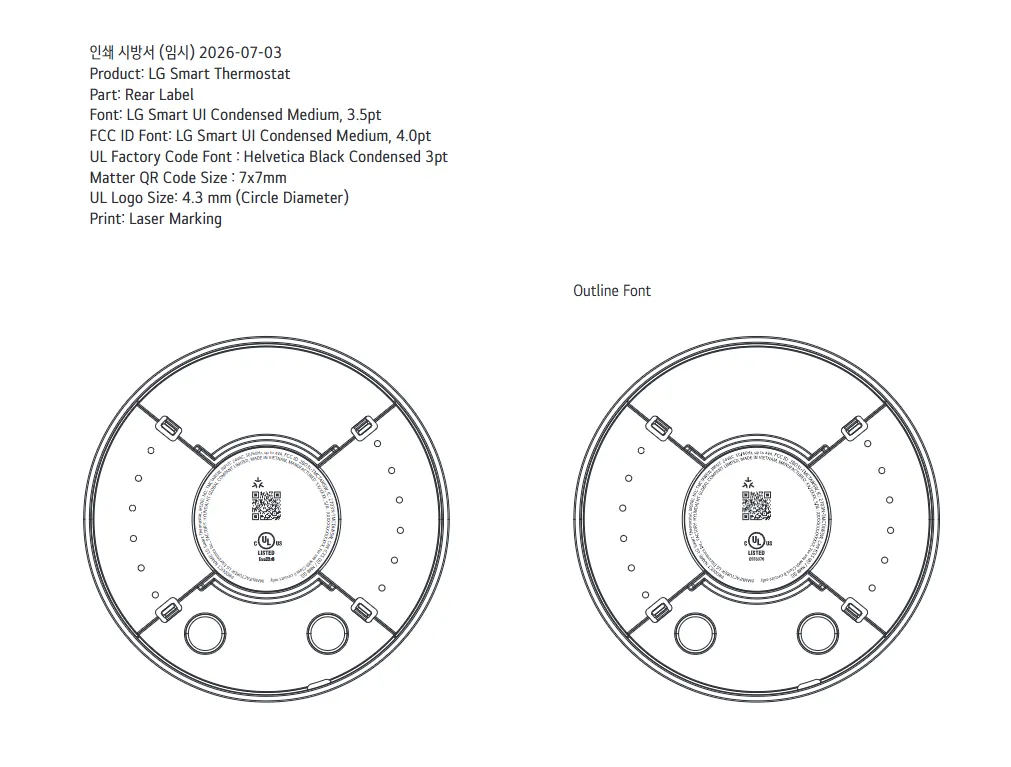
That takes the device well beyond simple voice commands such as switching on the kitchen lights. The hub is expected to be able to identify who is in a room, what they are doing and what information they need, and then determine how the house should respond.
It could also draw on information already stored across Apple’s ecosystem, including calendars, messages, reminders, photos, music, Apple TV content, iPhones and other Apple devices.
It is not yet known whether the hub or the LG range will work with Android or Windows devices.
LG chases new revenue
The deal comes as LG Electronics reports a downturn in revenue and profit, and looks for new revenue streams and a bigger role in the connected-home platform market.
In 2024 LG acquired 80% of Athom, the company behind the Homey smart home platform. At IFA 2026, LG heavily promoted an expanded AI Home ecosystem built around Homey, ThinQ and its new ThinQ Claw AI agent.
Homey is significant because it is designed to connect products from numerous manufacturers, rather than locking consumers into LG appliances.
LG’s connected-home vision now spans appliances, HVAC, energy management, solar, batteries, EV chargers and third-party connected products.
Analysts describe the tie-up as a potentially powerful combination. Apple gives LG access to hundreds of millions of affluent Apple households, a move that could hurt arch rival Samsung. LG, in turn, gives Apple expertise in appliances, displays, HVAC and consumer electronics manufacturing.
Appliances next?
There is no evidence yet that Apple and LG are jointly developing refrigerators, washing machines or ovens. However, the partnership could pave the way for Apple integration in LG appliances in future.
LG already has an enormous installed base of connected appliances running through ThinQ. It also supports cross-brand appliance interoperability and has been heavily involved with Matter and the Home Connectivity Alliance.
That raises the prospect of an Apple hub that could tell a household its washing machine has finished, that the dishwasher has delayed its cycle until electricity prices fall, or that the air conditioner has switched off because nobody is upstairs.
Retail and installer impact
For Australian retailers, the move could deliver significant growth across the smart home category, with JB Hi-Fi, Harvey Norman and The Good Guys well placed to benefit from a coordinated Apple and LG product push.
Observers say the move could also have implications for custom installers, many of whom are still pulling ethernet cable in an increasingly wireless smart home market.