Samsung Pushes Direct Sales With New Galaxy Club As Memory Prices Surge
 David Richards
26 Feb 2026
David Richards
26 Feb 2026
Samsung has launched an aggressive push to steer buyers of its new Galaxy smartphones away from carriers and major consumer electronics retailers, introducing a new “Galaxy Club” program designed to drive customers to purchase directly through its own website.
Announced by Eric Chou, Vice President and Head of Mobile eXperience (MX) at Samsung Electronics Australia, the initiative allows existing Galaxy owners — including those who originally purchased their devices through carriers or retailers such as JB Hi-Fi — to trade in their registered smartphone and receive up to 50% of its value back when upgrading to an eligible Galaxy device via Samsung’s direct online store.
The upgrade benefit can be redeemed between nine and 13 months after enrolment in the program. Customers seeking to upgrade before the nine-month mark will incur a fee. Samsung says devices must be in “good working order” to qualify, and the trade-in credit can be combined with other Samsung promotional offers.
The move coincides with the launch of Samsung’s new premium Galaxy S26 range, revealed last night. As the world’s largest supplier of memory chips, Samsung is also leveraging its position in the memory market as a competitive tool.
Customers purchasing the new Galaxy S26 Ultra directly from Samsung can access a 1TB memory upgrade using a promotional code available on the company’s website. 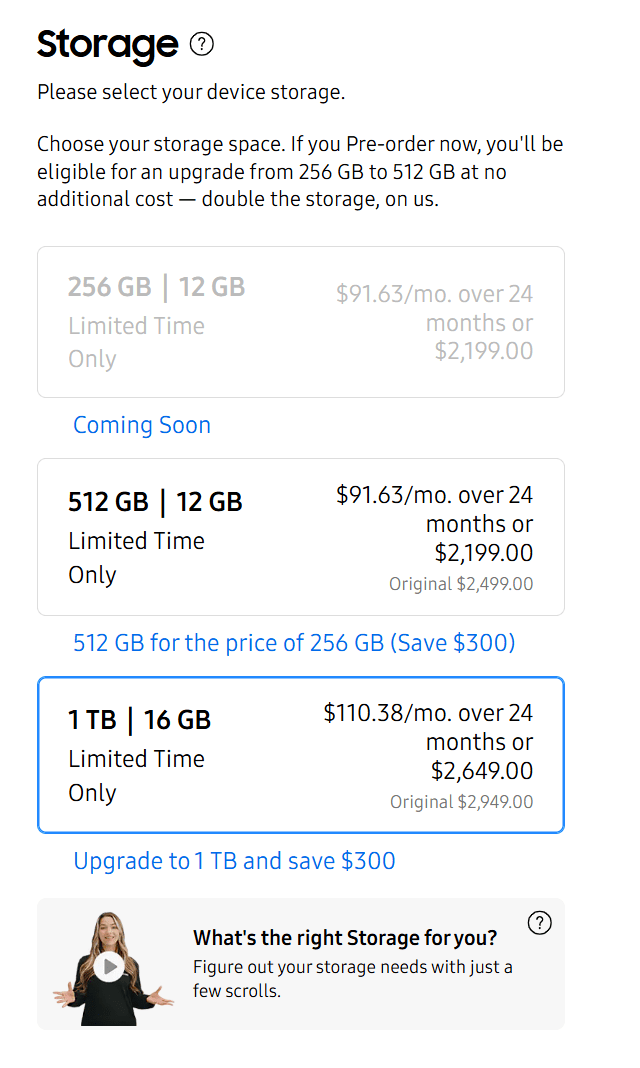
The incentive comes amid sharp global increases in memory pricing. Samsung has reportedly lifted the price of DRAM and NAND flash sold to PC and smartphone manufacturers — including Apple — by between 80% and 100%, citing shortages driven by surging demand from AI server manufacturers consuming high-performance memory.
The Galaxy S26 range went on pre-sale today and will be available from March 11. Australian pricing starts at $1,549 for the base Galaxy S26. The S26+ is priced at $1,849, while the flagship S26 Ultra retails for $2,199.
During a recent hands-on session in Sydney, it was evident that the entry-level S26 lacks many of the advanced features found in the Ultra model. Despite this, both the base S26 and the S26+ have risen $150 compared with last year’s S25 launch pricing. The Ultra model has increased by $50.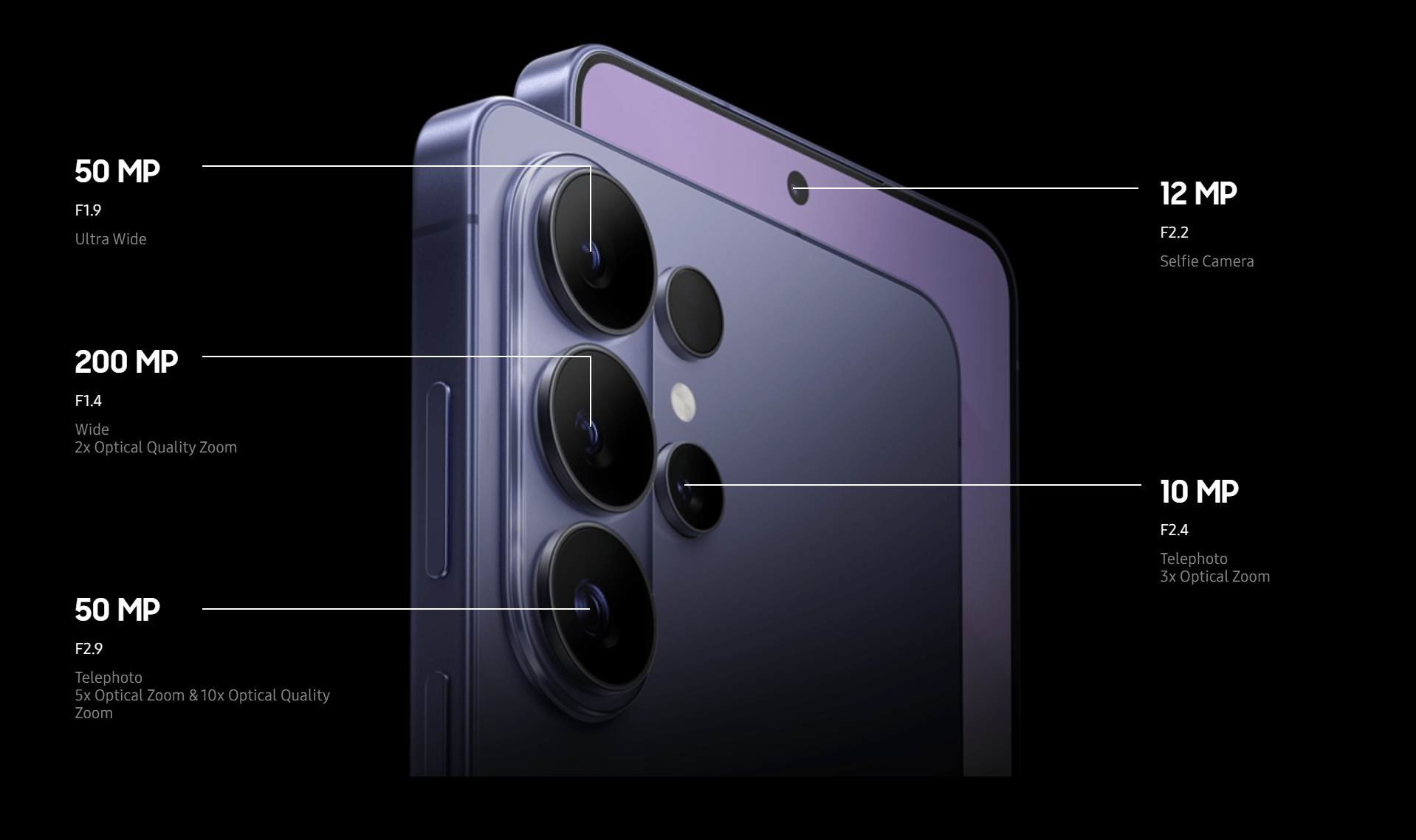

The sharper price rise at the lower end of the range could create an opening for competitors such as Motorola, which is preparing to launch its new Signature range aimed directly at Samsung’s entry-level segment.
Samsung’s dominance in the memory market may also create competitive pressures in Australia. Many smartphone manufacturers — including Apple, Motorola, Xiaomi and OPPO — rely heavily on Samsung for DRAM and NAND supply. While Motorola’s parent company Lenovo has explored sourcing from Chinese memory manufacturers, those suppliers face production volume constraints.
Most global OEMs depend on the three major memory suppliers: Samsung, SK Hynix and Micron. Analysts suggest Samsung’s vertical integration could provide it with a competitive advantage in 2026, particularly as memory pricing pressures ripple across the industry.
Recent market conditions have also reportedly strained Samsung’s internal supply allocation, with memory divisions at times prioritising high-margin external contracts. At the same time, Samsung has increased pricing across its latest smartphone range and accessories, reflecting broader component cost inflation.
Samsung’s overall direct-to-consumer (D2C) smartphone sales — which would include sales through Samsung.com and related direct channels — grew around 21% year-over-year, according to market industry data referencing the company’s performance in 2025 vs. 2024.
This suggests its online direct sales channel (at least for smartphones) expanded significantly over the past year. In Australia the number is believed to be significantly higher.
In public financial disclosures, Samsung does not separately disclose online direct sales or pure D2C revenue growth as a discrete line item in its consolidated earnings. Instead, online direct sales are grouped under broader sales channels (including B2B and other sales) in its interim and annual reports.
Its financial results show growth in overall revenue, which includes all channels — retail, wholesale, online direct and indirect — but don’t isolate direct online growth alone.
Despite the lack of data a 21% increase in D2C smartphone sales year-over-year is a strong indicator of growth in Samsung’s online direct channel with this business being stripped from the likes of JB Hi Fi, Harvey Norman, The Good Guys and carriers Telstr, Optus and Vodafone.
This is especially prevalent for premium devices where direct incentives (trade-in deals, exclusive offers) matter.
“Samsung, just like every other brand, is not immune to cost increases resulting from memory shortages,” Chou said. While he argued Samsung is better positioned than rivals to secure supply, he acknowledged that the memory issue is affecting the entire industry.