Samsung Punting On RGB LED & AI To Bolster TV Sales With New 2026 Models
 David Richards
20 Apr 2026
David Richards
20 Apr 2026

Australia’s television market is entering a new phase of competition as major global brands roll out their 2026 model line ups, with a strong focus on premium technologies, larger screen sizes and artificial intelligence driven features.
The latest product cycle has already begun, with LG Electronics staging an early launch of its 2026 OLED and LED television range. Samsung, one of its key rivals, is preparing to follow with a new generation of Micro RGB televisions after previewing a 115 inch RGB LED model earlier this year. The company is expected to introduce a broader premium line up including 95 inch and 85 inch models, alongside smaller variants starting at 55 inches and extending up to 115 inches.
The central shift in this year’s offerings is the introduction of Micro RGB display technology, which marks a departure from traditional LCD designs that rely on backlighting. Instead, Micro RGB panels use thousands of self emitting red, green and blue LEDs, allowing for more precise control of light at the pixel level. The result is reduced colour bleeding, improved contrast and greater overall colour accuracy.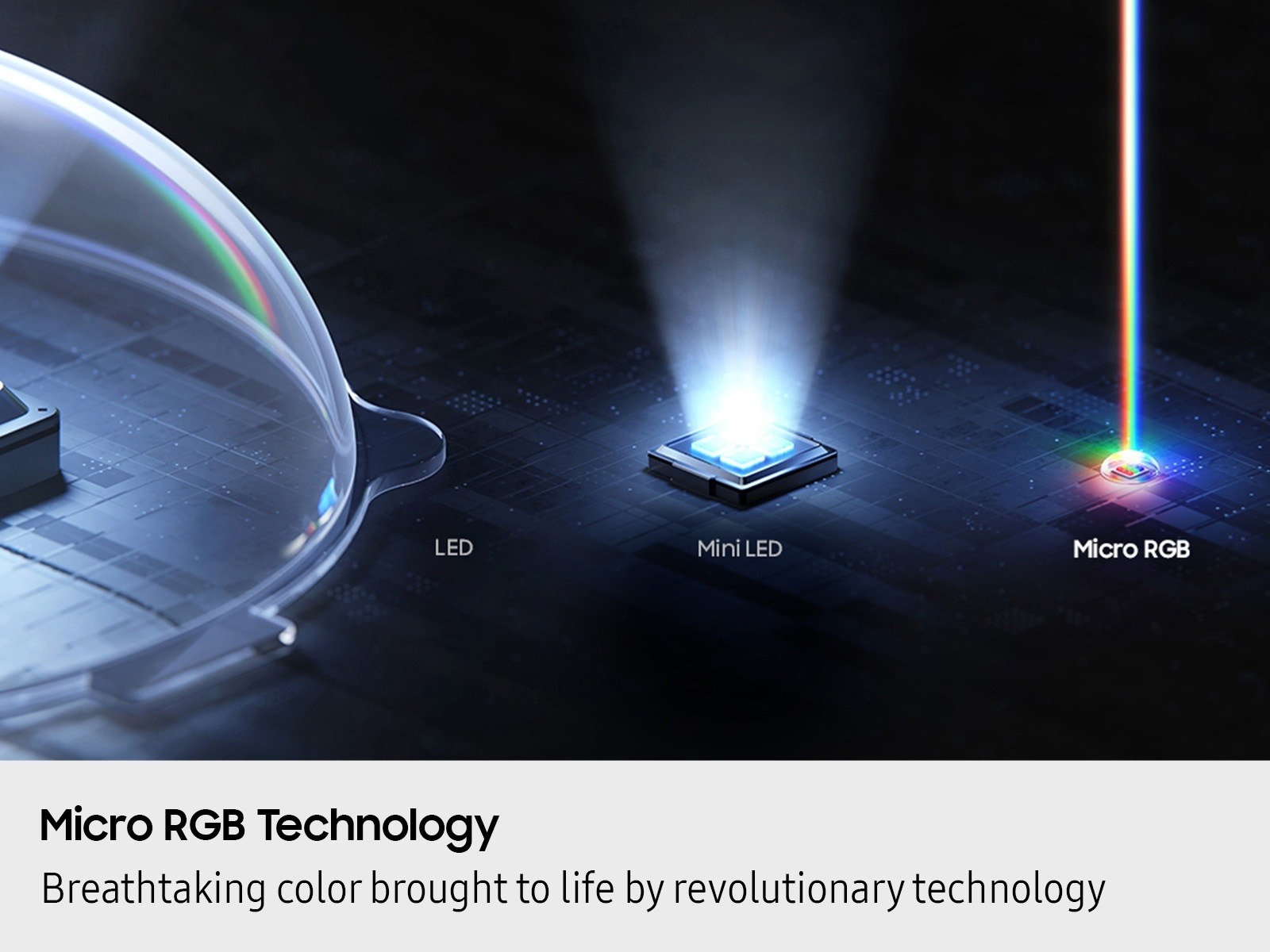
Samsung claims its new RGB LED televisions are capable of achieving full coverage of the BT.2020 colour standard, a wide colour gamut specification used in advanced video formats. This performance has been independently verified by German certification body VDE. Higher end models, such as the R95H, will also feature anti glare technology designed to maintain image clarity in brightly lit environments.
The launches come at a time when the Australian television market is considered mature, with an estimated value of around $2.6 billion. Despite this, analysts are forecasting a return to modest growth, largely driven by higher value purchases rather than an increase in overall unit sales.
According to research firm IDC, consumer behaviour is shifting toward quality over quantity. “Growth is value driven, not volume driven, people aren’t buying more TVs, but are upgrading to better ones,” the firm said in a recent report.
This trend is supported by data showing that most consumers replace their televisions every five to six years, with a significant number of upgrades occurring during the COVID 19 pandemic. As a result, manufacturers are now targeting replacement buyers with more advanced features and larger displays to justify higher price points.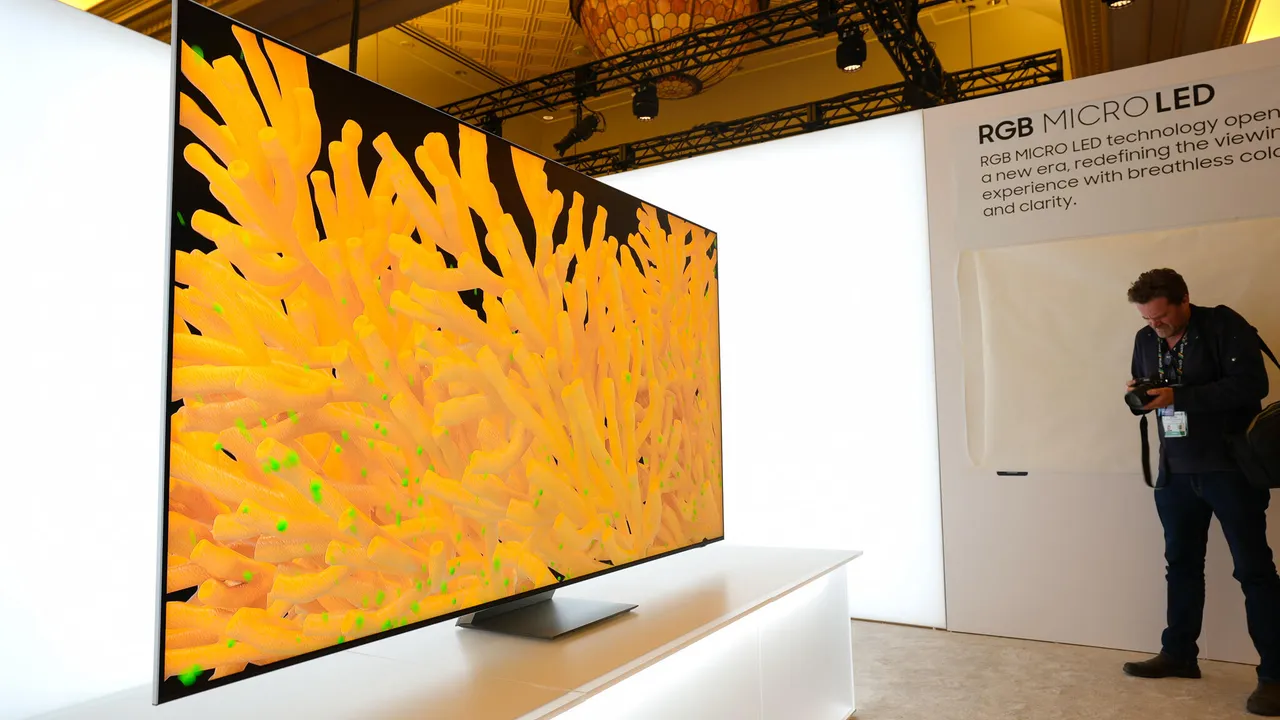
Analysts at Omdia say demand is increasingly concentrated in the premium segment, particularly for televisions measuring 75 inches and above. Technologies such as OLED, Mini LED and high refresh rate panels are gaining traction, especially among gaming enthusiasts and consumers seeking improved high dynamic range performance.
At the same time, the competitive landscape is becoming more complex, with multiple display technologies vying for attention. These include QD OLED from Samsung and Sony, MLA OLED from LG, RGB Mini LED from brands such as Hisense and TCL, and Samsung’s new RGB LED approach. Each technology offers different advantages in brightness, colour reproduction and efficiency, contributing to what industry observers describe as a cat and mouse battle among manufacturers.
Artificial intelligence is emerging as another key battleground. Samsung’s upcoming models will be powered by its new Micro RGB AI Engine Pro processor, which is designed to optimise picture quality in real time. The processor adjusts sharpness, colour balance and motion handling based on the content being displayed.
Additional AI driven features include Micro RGB Colour Booster Pro, which enhances scenes with limited colour depth, and Micro RGB HDR Pro, which improves brightness and contrast levels. AI Motion Enhancer Pro is aimed at smoothing fast moving visuals such as sports and scrolling text, while support for HDR10 Plus Advanced is intended to deliver more consistent brightness control and smoother playback.
Gaming performance is also a major focus for the new range. Samsung’s flagship R95H model will support refresh rates of up to 165Hz, while the R85H will offer up to 144Hz. Both models are designed to minimise motion blur and input lag, aligning with growing demand for televisions that can double as high performance gaming displays.
Audio capabilities have also been upgraded, with support for Dolby Atmos and Samsung’s Object Tracking Sound technology, which synchronises audio with on screen action. The televisions will also include Q Symphony, enabling multiple Samsung audio devices to work together for a more immersive sound experience.
Design changes remain relatively incremental, with manufacturers continuing to prioritise slim profiles and minimal bezels. Samsung’s premium models will feature its Wireless One Connect system, allowing users to manage cables more efficiently or opt for a near wireless setup. The televisions will also support wall mounting via a Slim Fit bracket and include access to the Samsung Art Store, which offers more than 5,000 artworks alongside a rotating selection of free content.
On the software side, the new televisions will run Samsung’s updated One UI Tizen platform. The system includes access to Samsung TV Plus, which offers more than 2,700 free streaming channels, as well as a Gaming Hub for cloud based gaming services. Samsung has indicated the platform will receive up to seven years of updates, although concerns have been raised about data privacy and the collection and sharing of viewing information with third parties.
Retail conditions in Australia remain highly competitive, with widespread discounting as retailers clear older inventory ahead of new model arrivals. Around 75 per cent of television purchases continue to take place in store, where consumers compare picture quality and screen performance directly. Some retailers are also scaling back sales of ultra large televisions exceeding 100 inches due to logistical challenges associated with delivery and installation.