Samsung OZ At A Crossroads Where Do They Go Next As Chairman Claims They Have “Lost Their Unique Strength”.
 David Richards
24 Mar 2025
David Richards
24 Mar 2025
Domestically Samsung is struggling, with management taking an axe to the business in an effort to claw back last lost market share across multiple categories, key retailers recently admitted to ChannelNews that they have increased their orders for Chinese products this year spanning TV’s and appliances over previous years a move that could hurt both Samsung and LG Electronics.
The shock exit of former Consumer Vice President of consumer Jeremy Senior and the total restructure of Samsung Australia, with management moving to sell B2b solutions while expanding their online operations is just a small part of the global problems that Samsung is facing this year claim observers.
Last week we revealed that Samsung Australia has chosen an internal appointment to replace Senior with Phil Gaut the new Director, Consumer Electronics (CE) taking over the role, there is no news yet on additional restructures at the NSW based Company.
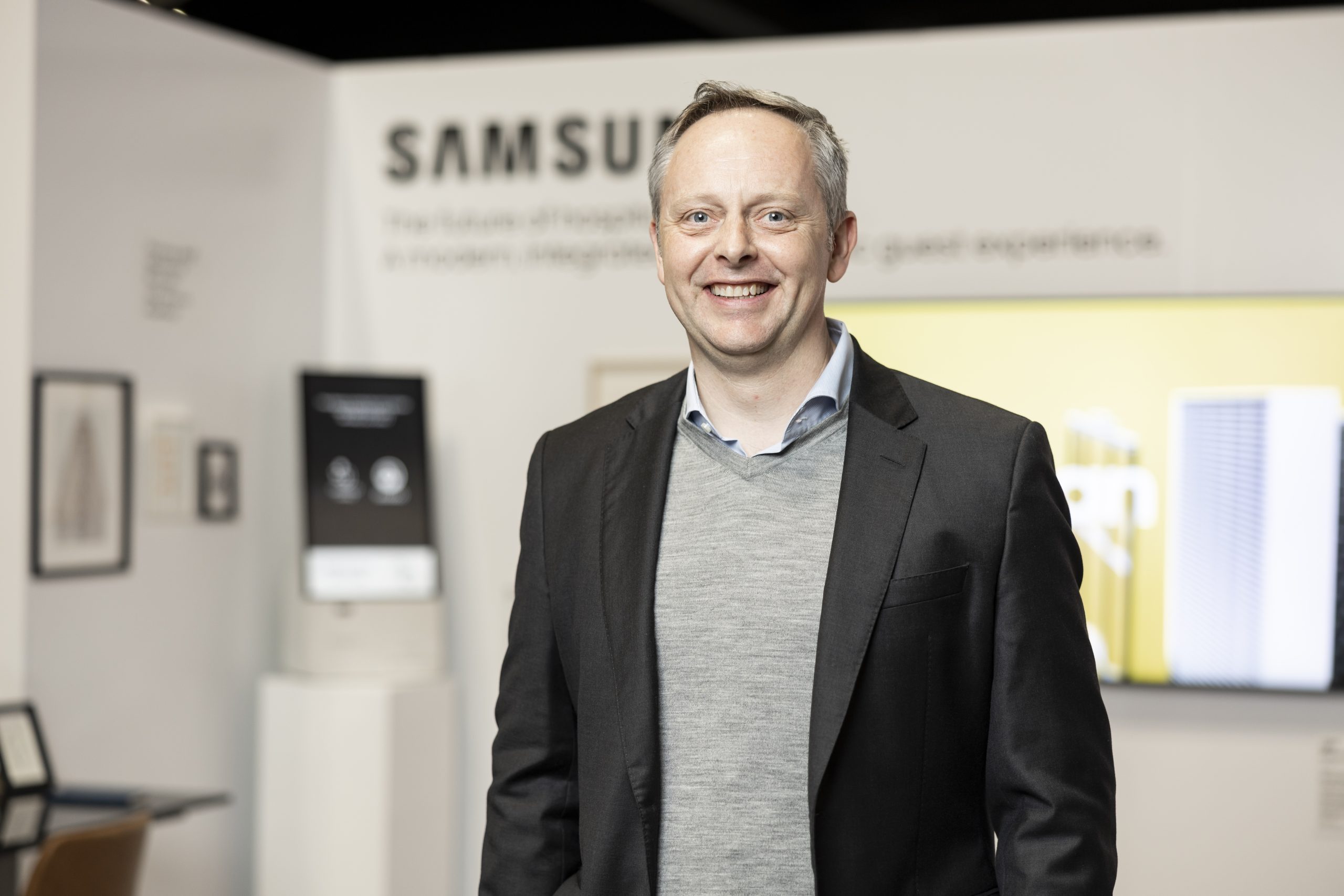
Phil Gaut, new Director of Samsung Consumer Divisions.
Gaut has worked at Samsung for 12-years having started his career in UK in the former IT division which spanned both B2C and B2B notebook, print and display solutions and has an excellent track record at Samsung.
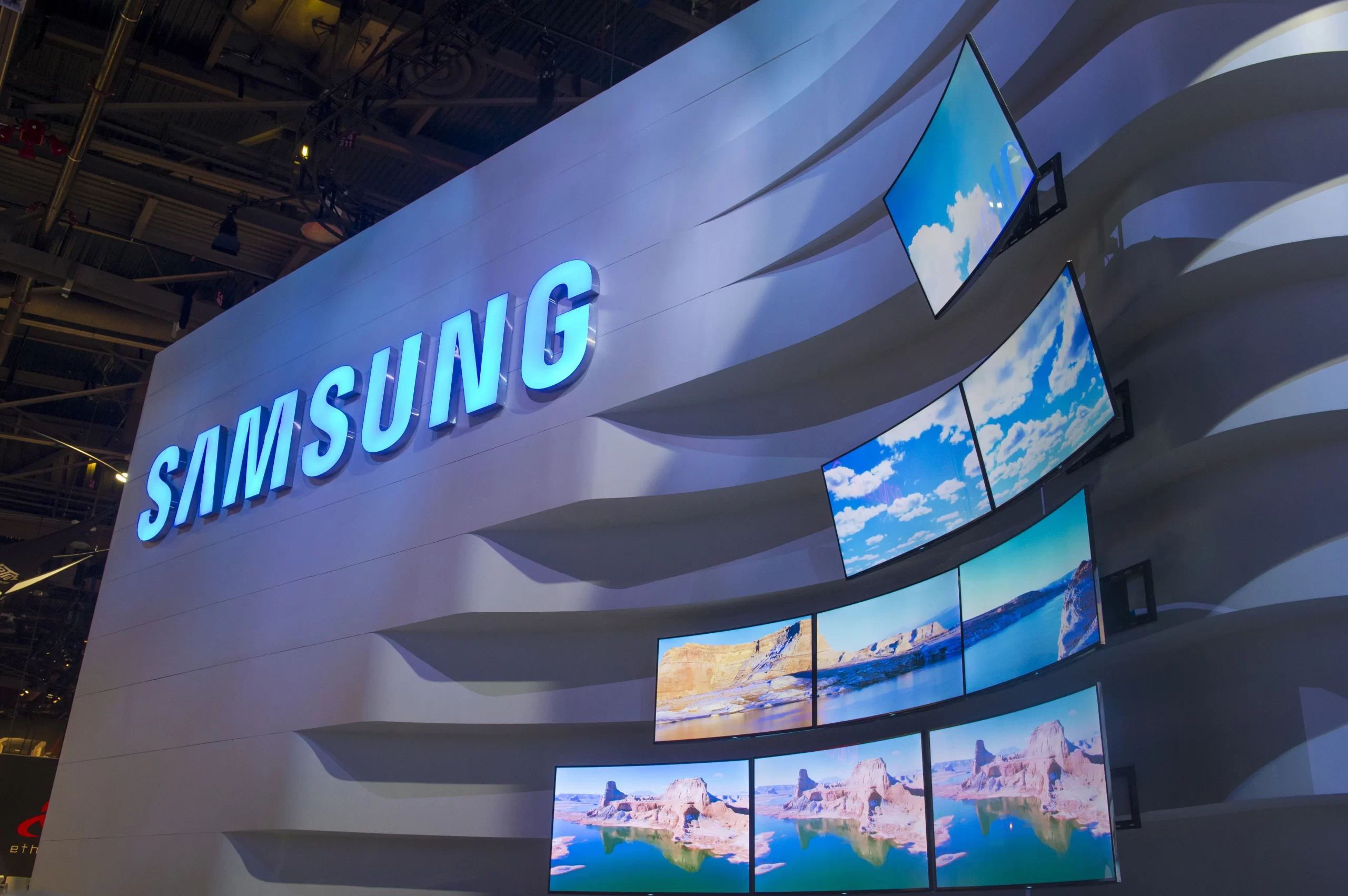
While Samsung mobile sales both locally and internationally are performing well other parts of their global business including heir TV business and appliances are struggling with this week’s Annual General Meeting in South Korea set to be a key one in the Company’s history, with the Chairman Lee Jae-yong admitting at the weekend that Samsung has “lost its unique strength” and must take on a “do-or-die” mentality to tackle mounting challenges.

Samsung Chairman Lee Jae-yong admits to problems
According to several former Samsung executives including Vice Presidents in Australia, there is “nothing worse” than when Samsung global management and local presidents go on the warpath in an effort to turn around a division that is struggling, “It’s carnage and there are always victims”.
and that is what is happening across the world at Samsung subsidiaries whether it be in their TV, appliances or B2b operations.
The drum beating is coming right from the top of the Company with Chairman Lee Jae-yong admitting that like arch rival LG Electronics Samsung has “lost its unique strength” and must take on a “do-or-die” mentality to tackle mounting challenges.
While LG Electronics is moving to sell data and subscriptions and batteries for EV vehicles, Samsung is working on delivering a superior consumer and B2b product as well as solution software.
The downturn at Samsung Australia that saw profits and revenues fall last year, has led to a massive behind the scenes shakeup at the local subsidiary, with the reshaping of the business that is now facing real competition from Chinese brands in the TV and appliance market and the likes of Motorola and to a lesser degree Oppo in the smartphone market.
Margins are being eroded, and the business is now working on growing their premium and B2b services business in an effort to hold onto margins.
In his rare and direct message, Lee’s remarks came via a prerecorded video delivered to some 2,000 executives from Samsung affiliates including Australia who had gathered for a recent internal event which was part of a major “rev up” for local and international presidents.
Their mission now is to find “Samsung’s true identity.” claims the Korean Herald.
“Samsung is facing a matter of survival,” Lee said.
“What is important is not the crisis itself, but how we respond to it. We need to invest for the future, even at the cost of sacrificing immediate profits.” he told executives.
While Samsung’s army of spin doctors and PR staff are fighting to minimise the impact of the fall out “The reality is that the Company is at a cross roads and they don’t know which way to turn” claims a former Vice President in Australia.
For decades Samsung products have been technologically advanced and still are, the problem is that the Chinese products are catching up with brands such as TCL and Hisense able to produce products that look as good as a Samsung product but are cheaper.
According to a report from Liberty Times, Samsung Electronics is currently facing a series of challenges, including competition from China, U.S. tariff hikes, and slow progress in finding the next big processor offering.
While they are clear leaders in AI for smartphones and appliances the Company needs to regain the upper hand in AI chips and HBM to address these challenges.
Currently Chinese competitors are flooding the general DRAM market with significantly low price offerings, and this is hurting Samsung profits.
In Australia former Vice President Jeremy Senior was caught out on multiple fronts including a downturn in spending on consumer goods, a move to value products and battles with retailers over margins and rebates.
Lee knows that Samsung has to regain their technological leadership amid growing concerns about Samsung’s competitiveness in critical sectors such as semiconductors and artificial intelligence.
While they lead in the smartphone market, they have to convince the market that they have a superior edge when it comes to processors and other products.
Arch rival Apple is struggling to deliver AI and voice control, but they are working on taking control of the home using AI and this is a threat to Samsung who has to do a better job of getting both business and consumers to use their Smart Things software.
Domestically Samsung is struggling, with management taking an axe to the business in an effort to claw back last lost market share across multiple categories, key retailers recently admitted to ChannelNews that they have increased their orders for Chinese products this year spanning TV’s and appliances over previous years a move that could hurt both Samsung and LG Electronics.
The shock exit of former Consumer Vice President of consumer Jeremy Senior and the total restructure of Samsung Australia, with management moving to sell B2b solutions while expanding their online operations is just a small part of the global problems that Samsung is facing this year claim observers.
Last week we revealed that Samsung Australia has chosen an internal appointment to replace Senior with Phil Gaut the new Director, Consumer Electronics (CE) taking over the role, there is no news yet on additional restructures at the NSW based Company.
Gaut has worked at Samsung for 12-years having started his career in UK in the former IT division which spanned both B2C and B2B notebook, print and display solutions and has an excellent track record at Samsung.
While Samsung mobile sales both locally and internationally are performing well other parts of their global business including heir TV business and appliances are struggling with this week’s Annual General Meeting in South Korea set to be a key one in the Company’s history, with the Chairman Lee Jae-yong admitting at the weekend that Samsung has “lost its unique strength” and must take on a “do-or-die” mentality to tackle mounting challenges.
According to several former Samsung executives including Vice Presidents in Australia, there is “nothing worse” than when Samsung global management and local presidents go on the warpath in an effort to turn around a division that is struggling, “It’s carnage and there are always victims”.
and that is what is happening across the world at Samsung subsidiaries whether it be in their TV, appliances or B2b operations.
The drum beating is coming right from the top of the Company with Chairman Lee Jae-yong admitting that like arch rival LG Electronics Samsung has “lost its unique strength” and must take on a “do-or-die” mentality to tackle mounting challenges.
While LG Electronics is moving to sell data and subscriptions and batteries for EV vehicles, Samsung is working on delivering a superior consumer and B2b product as well as solution software.
The downturn at Samsung Australia that saw profits and revenues fall last year, has led to a massive behind the scenes shakeup at the local subsidiary, with the reshaping of the business that is now facing real competition from Chinese brands in the TV and appliance market and the likes of Motorola and to a lesser degree Oppo in the smartphone market.
Margins are being eroded, and the business is now working on growing their premium and B2b services business in an effort to hold onto margins.
In his rare and direct message, Lee’s remarks came via a prerecorded video delivered to some 2,000 executives from Samsung affiliates including Australia who had gathered for a recent internal event which was part of a major “rev up” for local and international presidents.
Their mission now is to find “Samsung’s true identity.” claims the Korean Herald.
“Samsung is facing a matter of survival,” Lee said.
“What is important is not the crisis itself, but how we respond to it. We need to invest for the future, even at the cost of sacrificing immediate profits.” he told executives.
While Samsung’s army of spin doctors and PR staff are fighting to minimise the impact of the fall out “The reality is that the Company is at a cross roads and they don’t know which way to turn” claims a former Vice President in Australia.
For decades Samsung products have been technologically advanced and still are, the problem is that the Chinese products are catching up with brands such as TCL and Hisense able to produce products that look as good as a Samsung product but are cheaper.
According to a report from Liberty Times, Samsung Electronics is currently facing a series of challenges, including competition from China, U.S. tariff hikes, and slow progress in finding the next big processor offering.
While they are clear leaders in AI for smartphones and appliances the Company needs to regain the upper hand in AI chips and HBM to address these challenges.
Currently Chinese competitors are flooding the general DRAM market with significantly low price offerings, and this is hurting Samsung profits.
In Australia former Vice President Jeremy Senior was caught out on multiple fronts including a downturn in spending on consumer goods, a move to value products and battles with retailers over margins and rebates.
Lee knows that Samsung has to regain their technological leadership amid growing concerns about Samsung’s competitiveness in critical sectors such as semiconductors and artificial intelligence.
While they lead in the smartphone market, they have to convince the market that they have a superior edge when it comes to processors and other products.
Arch rival Apple is struggling to deliver AI and voice control, but they are working on taking control of the home using AI and this is a threat to Samsung who has to do a better job of getting both business and consumers to use their Smart Things software.
Samsung’s annual shareholders meeting is slated for Wednesday with the expectation that Lee will not return to the board after his recent prison sentence.
Lee remains the only leader without board membership among the chiefs of Korea’s top four chaebol.
All eyes are on what kind of strategy and blueprint Samsung will present at its shareholders meeting with local subsidiary Presidents under pressure around the world.
Investors are angry and want to see a change in direction.
They want a clear strategy on how the company will recover from what has been described as an unprecedented crisis to its core businesses.
“There have been demands by the shareholders and from the business sectors regarding Lee Jae-yong’s leadership style,” said Hwang Yong-sik, a professor at Sejong University’s College of Business and Economics.
“Samsung also appears to see the current situation as a crisis, so it seems that Lee made a statement ahead of the meeting to give a strong impression of being proactive and holding management accountable, breaking away from his previous passive response.”
Samsung’s annual shareholders meeting is slated for Wednesday with the expectation that Lee will not return to the board after his recent prison sentence.
Lee remains the only leader without board membership among the chiefs of Korea’s top four chaebol.
All eyes are on what kind of strategy and blueprint Samsung will present at its shareholders meeting with local subsidiary Presidents under pressure around the world.
Investors are angry and want to see a change in direction.
They want a clear strategy on how the company will recover from what has been described as an unprecedented crisis to its core businesses.
“There have been demands by the shareholders and from the business sectors regarding Lee Jae-yong’s leadership style,” said Hwang Yong-sik, a professor at Sejong University’s College of Business and Economics.
“Samsung also appears to see the current situation as a crisis, so it seems that Lee made a statement ahead of the meeting to give a strong impression of being proactive and holding management accountable, breaking away from his previous passive response.”