Samsung Overhauls Appliance Business as Chinese Giants Wage War for Australian Market
 David Richards
30 Apr 2026
David Richards
30 Apr 2026
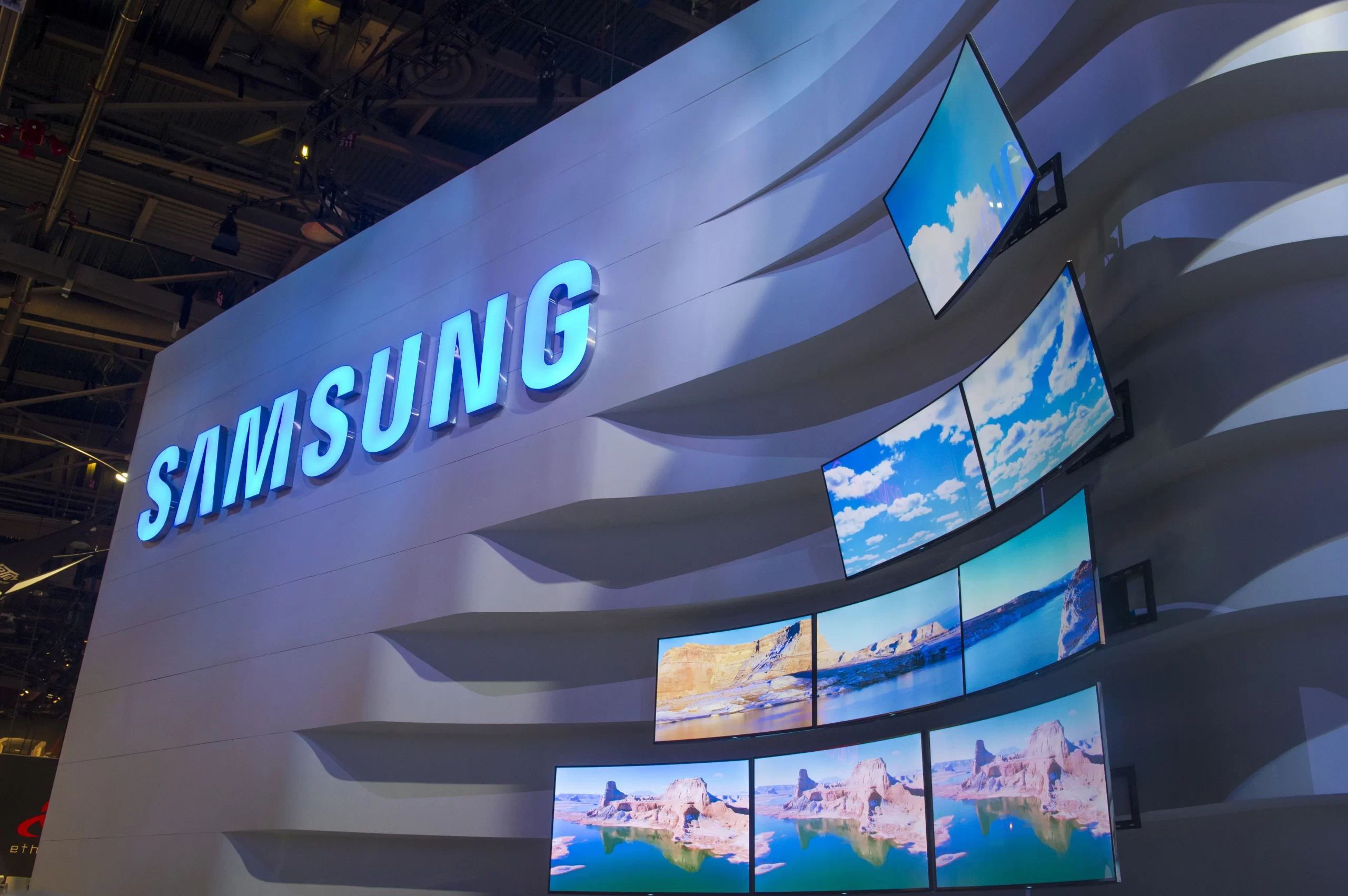
TSamsung appears to be abandoning low-margin products and retreating to premium territory as Midea, Haier, TCL and Hisense tighten their grip on the global appliance industry with a value and affordable appliance battle looming.
In an effort to stamp their position in the market Samsung Electronics is undertaking a sweeping restructure of its television and appliance division after posting an estimated operating loss of US$203 million in the first quarter — following a US$400 million loss the previous quarter — as Chinese competitors aggressively expand their footprint in markets including Australia.
The losses stand in stark contrast to record first-quarter overall earnings driven by a semiconductor boom, exposing a dangerous divide between Samsung’s world-leading chip business and its struggling consumer divisions.
A Business Under Siege
The trigger is brutally simple: rising component and logistics costs from China, weakening consumer demand, and relentless pressure from Chinese appliance and TV brands that are undercutting Samsung on price while rapidly making it hard for the South Korean brand to compete in some markets.
According to Counterpoint Research, Samsung still leads the global TV market with a 15 percent share — but TCL and Hisense are breathing down its neck at 13 percent and 12 percent respectively, and both Chinese brands are now pushing hard into appliances.
In response, Samsung’s device appliances division has briefed board members on a restructuring roadmap that includes discontinuing select small- and mid-range product lines, shifting production to external manufacturing partners, and reviewing the possible closure of its Malaysian plant — one of its oldest, established in 1989. The company has already shuttered its TV plant in Galanta, Slovakia, and has halted direct appliance sales in China, moving entirely to an agency-distributor model.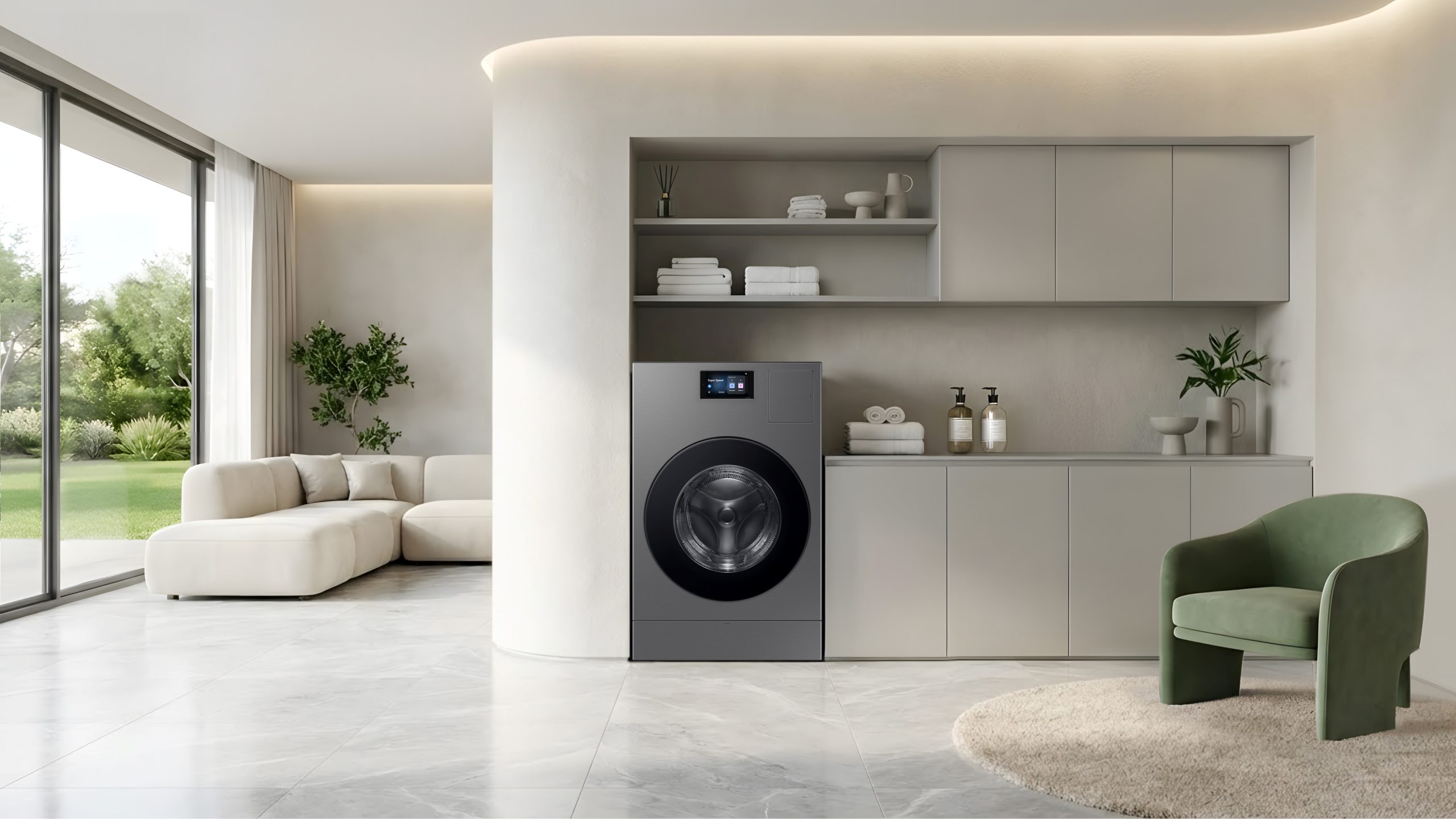
The Australian Battlefield
Nowhere is the competitive pressure more acute than Australia, where the market is being rapidly reshaped by two Chinese powerhouses preparing for a direct confrontation.
Midea — which recently announced a joint venture with Electrolux and their move to acquire Melbourne-based house brand appliance company Residentia, a strategic manoeuvre widely seen as an attempt to gain retail shelf space after its own brand failed to gain meaningful traction with Australian retailers.
Now Midea faces off directly against Haier, its fellow Chinese giant,as well as TCL and Hisense in what analysts are calling an emerging appliance war on Australian soil.
That two-front battle is forcing Samsung further upmarket.
The company is doubling down on its premium Bespoke lineup of refrigerators, washing machines and air conditioners, investing heavily in AI-enabled appliances, and building dedicated enterprise teams leveraging its SmartThings platform to target the B2B sector — a space it began pivoting toward well before this latest restructure.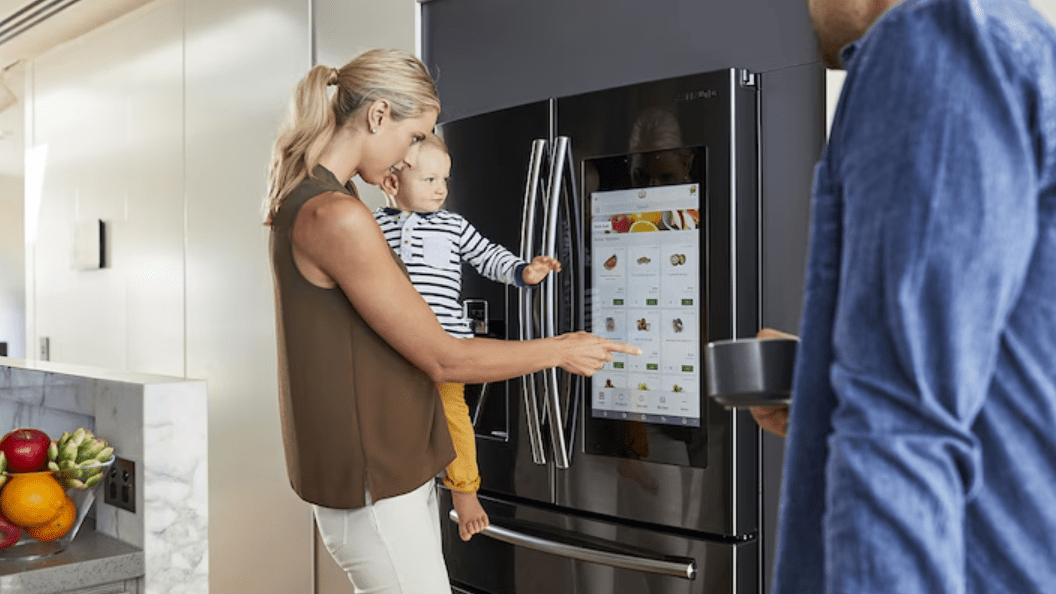
The Premium Gamble
Samsung’s bet is that it can outflank Chinese competitors at the top end of the market, where brand equity and technology integration still command a premium. A major showcase of AI-enabled home appliances was a centrepiece of its CES 2026 presentation, and the company has flagged major product announcements at IFA Berlin later this year as it rolls out its global realignment to Australian consumers.
The strategy involves shifting production to contract partners under joint development, OEM, and ODM arrangements — a move Samsung says will sharpen its cost competitiveness on premium lines.
“We are enhancing production efficiency and competitiveness in response to changes in global demand and the business environment,” a Samsung official said. “Details will be adjusted flexibly depending on market conditions.”Can It Work?
The stakes are high. While Midea struggles to establish brand credibility in Australia, TCL has quietly restructured its local operation and appointed new communications advisors, signalling a more aggressive push. Hisense, meanwhile, is growing in confidence, with management bullish about its ability to leverage brand recognition against Midea’s house brand play.
That leaves Samsung caught between a Chinese price war below and the entrenched premium brands — Miele, Fisher & Paykel, Bosch — above. Whether its AI-first, premium-focused reinvention can arrest the losses before the Chinese challengers fully consolidate their positions will be one of the defining retail battles in Australia’s appliance market over the next 12 to 24 months.