Galaxy S26 Pro Confirmed To Use Samsung’s New Exynos 2600 Chip
 Joe Gallop
13 Oct 2025

Samsung’s upcoming Galaxy S26 Pro will be powered by the company’s in-house Exynos 2600 processor, marking the return of Exynos chips to Samsung’s flagship smartphones after skipping the Galaxy S25 series.
Evidence uncovered by industry sources confirms that the Galaxy S26 Pro, the entry model in Samsung’s 2026 flagship lineup, will ship with the Exynos 2600 in most markets.
However, US and Chinese variants are expected to use Qualcomm’s Snapdragon 8 Elite Gen 5.
As ChannelNews reported last month, rumours had already pointed to Samsung’s major chipset comeback, with the Exynos 2600 entering mass production in October.
Built on Samsung Foundry’s advanced 2-nanometre gate-all-around (GAA) process, the new chip represents a milestone for the company’s semiconductor division.
The Exynos 2600 features a 10-core CPU using ARM’s new C1 cores and an Xclipse 950 GPU based on AMD’s RDNA graphics architecture.
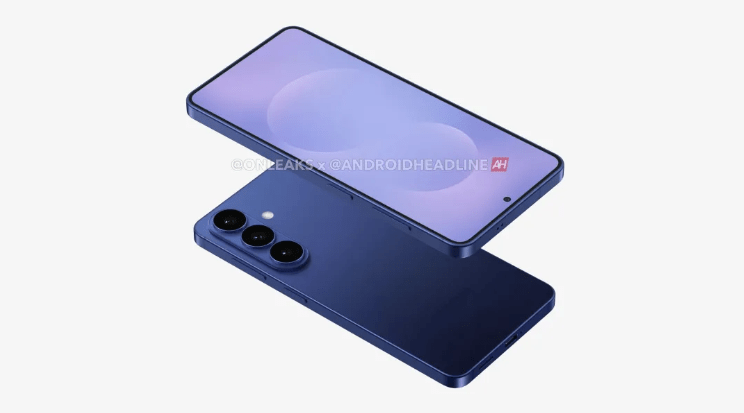
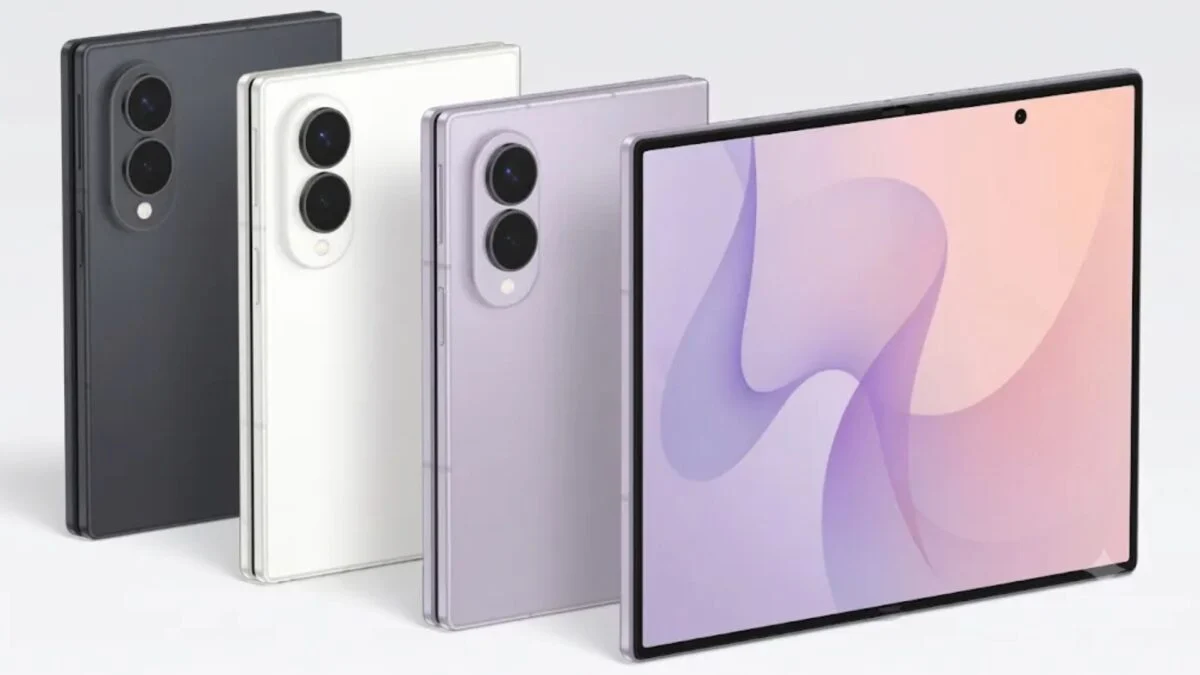
Image credit: OnLeaks via Android Headlines
Early benchmark results show scores of 3,309 (single-core) and 11,256 (multi-core), putting it just behind Qualcomm’s latest Snapdragon chip.
Samsung has reportedly integrated a new Heat Path Block thermal design to address past overheating issues that plagued earlier Exynos models.
If successful, this could significantly improve power efficiency and performance consistency under heavy workloads.
The new chip could be a turning point for Samsung’s System LSI and foundry operations, which have suffered from weak profitability and technical setbacks in recent years.
The company is also believed to be undercutting rival TSMC, offering 2nm wafers for roughly A$31,000, around a third less than TSMC’s expected pricing.
The Galaxy S26 series, featuring the S26 Pro, S26 Edge, and S26 Ultra, is tipped to launch in February 2026, with the Exynos 2600 set to play a key role in reducing component costs and restoring confidence in Samsung’s advanced chipmaking capabilities.
If the performance holds up, the Exynos 2600 could mark Samsung’s most successful in-house processor launch in years, powering not just its phones but potentially attracting major clients across the AI and automotive sectors.