Samsung Faces Mounting Challenges in Australia as Leadership Shifts Continue In An Effort Tom Stabalise The Business
 David Richards
02 Oct 2025
David Richards
02 Oct 2025
OPINION: Samsung’s decision to parachute in Jeremy Sargeant, a seasoned former Fisher & Paykel executive, signals yet another attempt to stabilise its struggling Australian consumer business.
But industry insiders say the move may not be enough to address the South Korean giant’s deeper issues because they lack the products that their competitors have or the pricing models to compete.
Fisher & Paykel, now Chinese-owned, has been steadily winning share from Samsung and LG with a strong product mix that excites both retailers and consumers — something Samsung has struggled to replicate.
As one large retailer said today after hear the news of Sargeants appointment “At F&P he had the products and a Company behind him that had a clear premium strategy”.
“For him to suceed at Samsung he needs a lot more than a title”.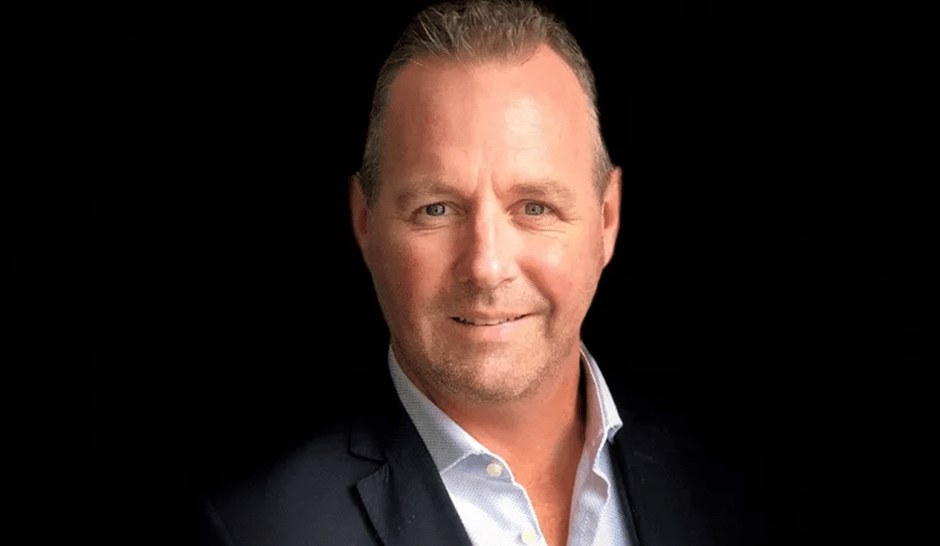
Leadership Turmoil
The upheaval began earlier this year when Samsung’s board, frustrated with lacklustre performance in appliances and retail, clashed with local executives. Sources told ChannelNews that the confrontation led to the abrupt departure of Vice President of Consumer Products Jeremy Senior, with other senior staff taking stress leave soon after.
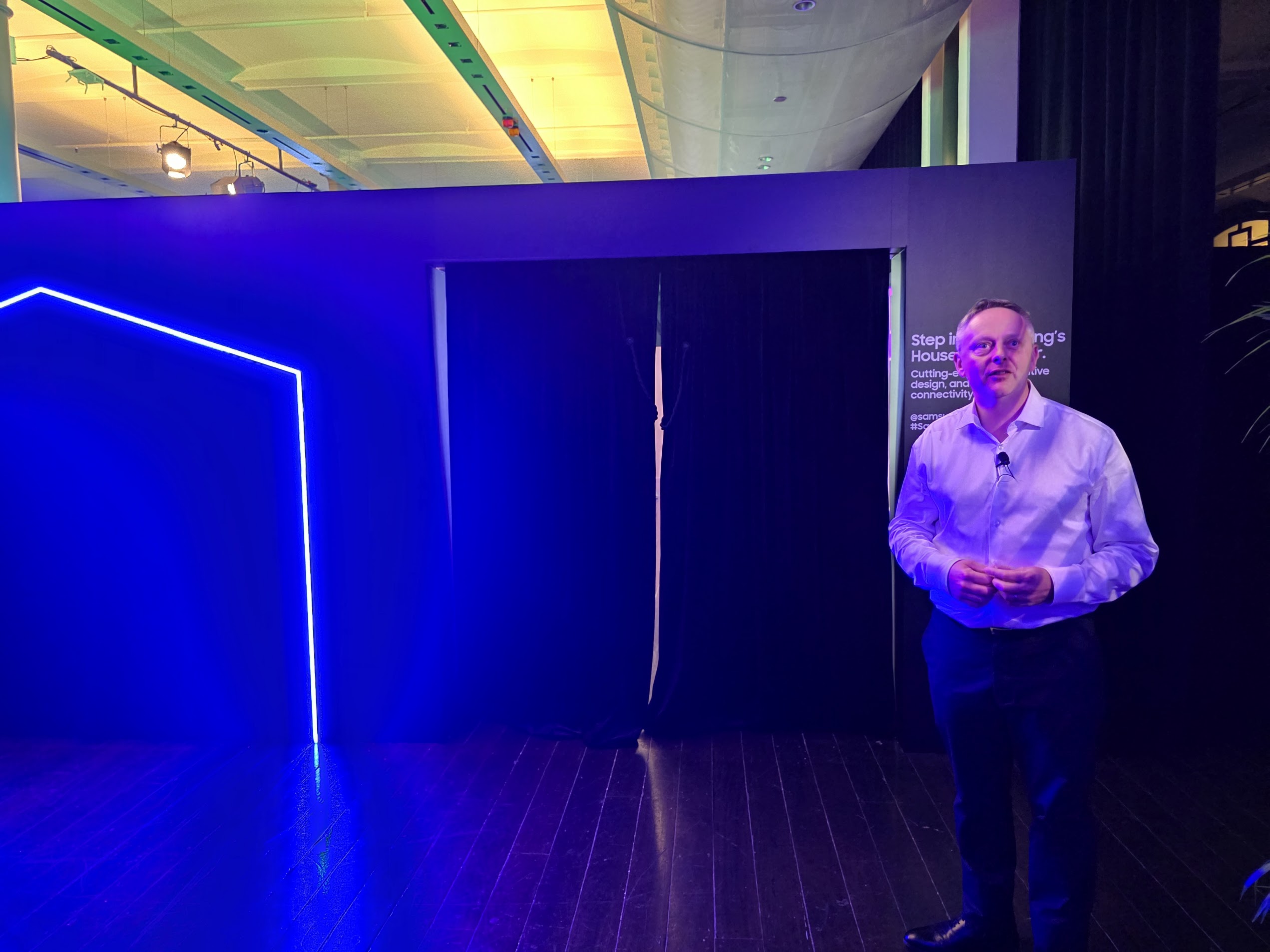
Phil Gaunt Directo Of Samsung’s Consumer Division looks for direction with 2026 set to be a key year for the business.
In the reshuffle that followed, Phil Gaut — previously in Samsung’s B2B division handling commercial displays and memory solutions — was appointed Director of Consumer Electronics despite limited experience in the consumer space. His background includes a stint at Acer running B2B, signalling Samsung’s increasing pivot toward business sales, online direct-to-consumer channels, and new Samsung Experience Stores, with the 12th set to open this month.
Sargeant, who now heads retail sales, brings extensive experience in marketing, financial management, and strategy. He played a key role in Fisher & Paykel’s growth in the integrated appliance market. Industry sources believe he is being positioned as the heir apparent to lead Samsung’s entire consumer division in Australia.
Failed Bets in Cooking and Bespoke
Two years ago, Samsung attempted to break into the cooking appliance category, but retailers say consumers still see the brand as a TV and phone company rather than a trusted cooking name. The Good Guys initially backed the launch, but sales fizzled as shoppers gravitated toward established European brands.
Panasonic is now weighing its own entry into cooking appliances, while Samsung has even lost microwave share to Sharp — distributed locally by Tempo — which is securing stronger retail support.
The rollout of Samsung’s much-hyped Bespoke appliance line has also faltered. Designed to offer consumers colour and design customisation, it became a retail headache. Harvey Norman dumped the range after constant delays and stock shortages left customers waiting. As one executive quipped: “We want to sell refrigerators, not bloody doors and colours.”
TV Market Pressures
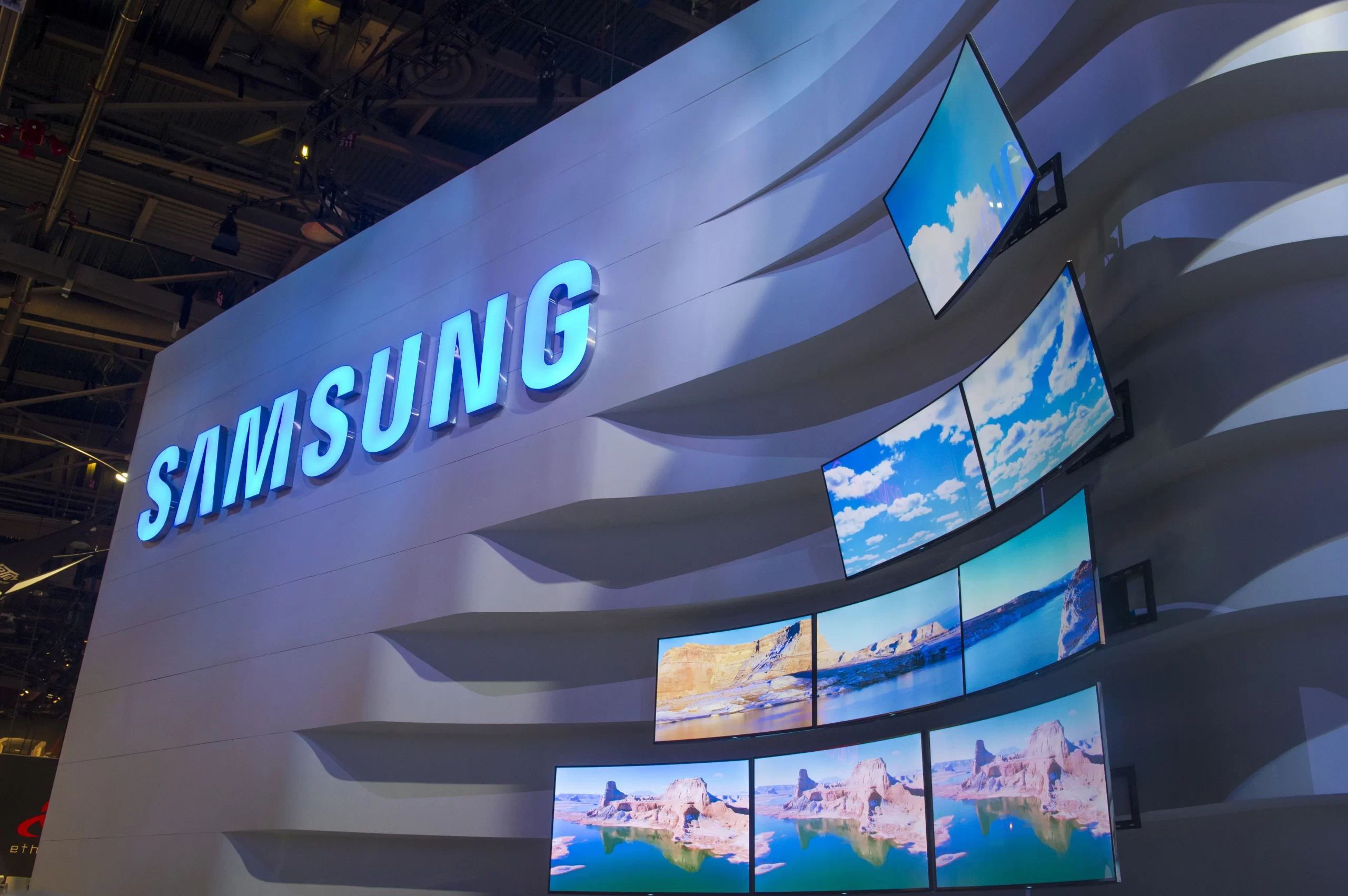
In TVs, once Samsung’s stronghold, the brand is losing ground fast — especially in large-format displays. Hisense and TCL are aggressively stripping share, offering comparable quality at lower prices.
Samsung this week launched its 115-inch Neo QLED 4K QN90F at $26,999, but the model is only available direct from Samsung, with incentives including $1,000 cashback and free delivery. Retailers, however, are yet to range the product.
Meanwhile, TCL has overtaken Samsung in the “super large TV” category (80 inches and above), according to Omdia Research, while Hisense continues to climb in both the premium and mid-range segments. Ironically, Samsung even relies on TCL’s display arm, CSOT, for some of its large panels.
Broader Structural Problems
Samsung’s issues are not confined to Australia. Globally, the company faces:
Market Share Decline: Rapid gains by Chinese brands in TVs.
Profitability Pressure: Declining returns in its TV division, prompting restructuring and early retirement programs.
AI & Chips Lag: Falling behind rivals in high-bandwidth memory (HBM) and AI chip technology, critical for future growth.
Cost-Cutting: Scaling back trade show presence at IFA and CES, while trimming staff and expenses.
Retail Margins: Ongoing battles with retailers over rebates and profitability.
The Road Ahead
Samsung’s strategy is shifting toward premium technologies like QD-OLED, and RGB LED with a greater emphasis on software and B2B solutions, and tighter control of its direct-to-consumer business.
At CES 2026, the company is expected to showcase new RGB LCD display TVs as it seeks to reassert technological leadership.
For Sargeant, however, the challenge is immediate and local: finding products that genuinely excite retailers and consumers. As one insider noted, “Samsung needs something like AEG’s Pizza Oven launch at IFA — a hero product that gets retailers talking again.”
Until then, Samsung risks being squeezed on all sides — by European appliance makers in kitchens, by Sharp in microwaves, and by Chinese giants in TVs.