Samsung Expands AI Appliances With Smarter Kitchens And Connected Homes
 April Ossington
29 Jun 2026
April Ossington
29 Jun 2026
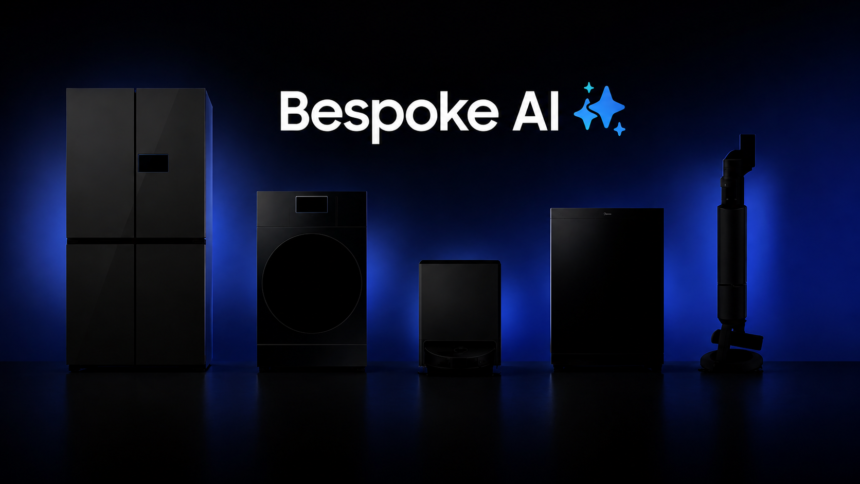
Samsung is accelerating its push into artificial intelligence-powered home appliances, introducing new features across its latest Bespoke AI range that aim to make refrigerators, ovens and other household products more intelligent and connected.
The company’s latest strategy moves beyond adding Wi-Fi to appliances. Instead, Samsung is positioning its premium products as digital assistants capable of recognising food, recommending meals, managing shopping lists and interacting with other smart home devices through the SmartThings platform.
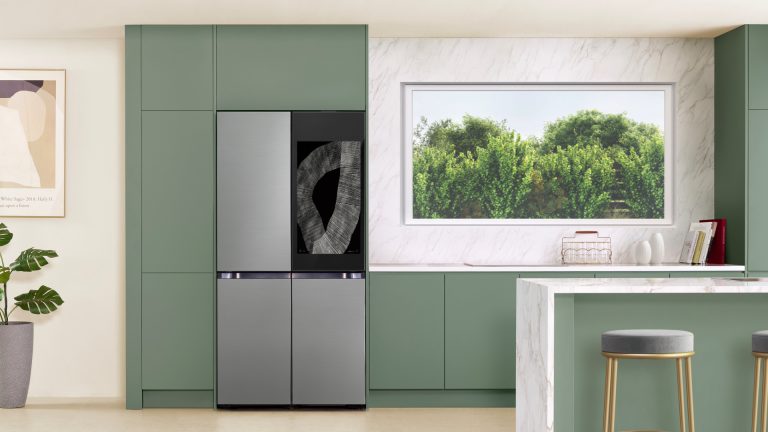
One of the biggest additions is AI Vision technology, which enables compatible Bespoke AI Family Hub refrigerators to identify food stored inside. The system can monitor available ingredients, recommend recipes and automatically add missing items to a shopping list using compatible grocery services. Samsung has also indicated that expanded food-recognition capabilities will continue to roll out throughout the year.
Cooking appliances are receiving similar upgrades. Samsung’s AI-powered ovens include built-in cameras that can recognise selected dishes, recommend suitable cooking settings and allow users to monitor meals remotely. The camera can also record cooking videos, giving home cooks another way to capture recipes and share content online.
Artificial intelligence is also extending to voice controls. Updated Bixby functionality is designed to recognise individual household members, allowing appliances to deliver personalised reminders, calendars and other information based on the person speaking.
SmartThings remains central to Samsung’s connected home strategy. The platform links appliances with televisions, smartphones, tablets and compatible smart home products, allowing routines to be automated through a single app. The company has also expanded interoperability through partnerships, including integration with selected IKEA smart lighting products, making it easier for customers to control multiple brands within one ecosystem.
The latest developments reflect a broader shift across the appliance industry, where manufacturers are increasingly using AI to distinguish premium products. While traditional purchasing factors such as capacity, energy efficiency, design and reliability remain important, buyers are now being introduced to features that rely on cloud services, mobile apps and ongoing software updates.
For appliance retailers, this changes the sales process considerably. Staff are increasingly expected to explain connectivity requirements, account setup, app compatibility and software features alongside installation, energy ratings and storage capacity.
The growing reliance on connected technology also presents new challenges for service providers. Diagnosing appliance issues may involve network connectivity, firmware updates, user accounts or mobile applications, rather than mechanical faults alone. As AI-powered products become more common, technicians are likely to require additional training that extends beyond traditional appliance repairs.
Samsung’s premium AI appliances also command higher prices. In the United States, the company’s AI refrigerator starts at around US$2,799, which is approximately A$4,280, while its AI-enabled range begins at about US$1,349, or approximately A$2,060. The company will need to convince consumers that features such as food recognition, recipe recommendations and personalised automation provide genuine long-term value rather than simply adding novelty.
The success of Samsung’s latest appliances will ultimately depend on how well these AI capabilities perform in everyday use. If they consistently save time and simplify household tasks, they could become an important selling point for premium appliances. If not, many buyers may continue to prioritise durability, performance and value over increasingly sophisticated software features.