Sonos Launches Fresh A$215m Buyback As Conrad Turnaround Lifts Revenue
 David Richards
12 Nov 2026
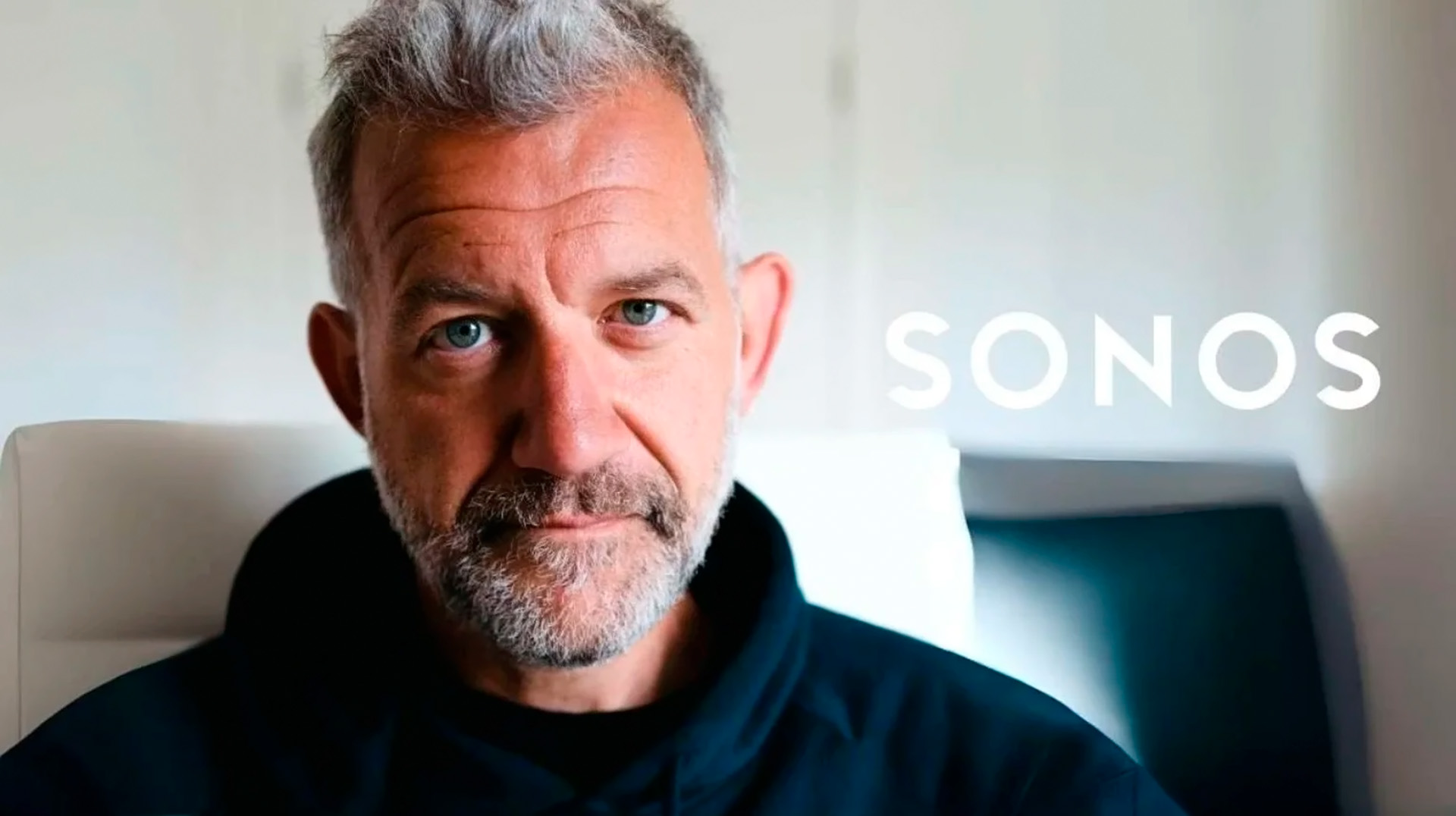
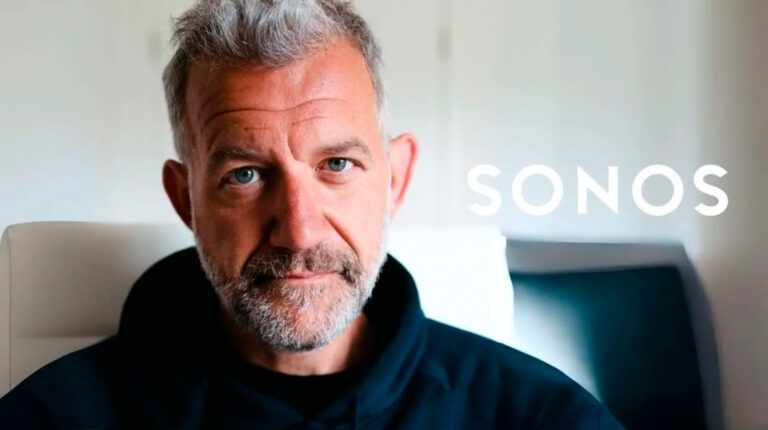
Sonos has authorised a new share buyback of up to A$215 million, signalling confidence in a recovery under CEO Tom Conrad after fourth quarter revenue jumped 20% and Asia Pacific sales, driven heavily by Australia, surged 29%.
The audio company’s board approved the common stock repurchase program this week, immediately after completing a previous A$215 million buyback in the fourth quarter of fiscal 2026. Repurchases will be funded from existing cash and cash equivalents or future cash flow.
Results Beat Expectations
Fourth quarter revenue rose 20% to A$492.5 million, ahead of analyst estimates of A$486.7 million.
Full-year revenue climbed 7% to A$2.21 billion, reversing a 5% decline in FY25.
Asia Pacific, where Australia is a major contributor, recorded 29% sales growth.
Spence Era Ends
The result marks a sharp turnaround from the tenure of former CEO Patrick Spence, whose period in charge was marked by a series of costly missteps across marketing, communications and product development.
Several executives appointed during the Spence era have since been axed.

Phillipa Thomas former Sonos Communications Manager.
They include Australian Phillipa Thomas, former Head of Communication & Advocacy for Global Growth Markets and previously Director of Communications for APAC, who departed in May 2026.
In the past Thomas threatened Australian media if she did not like a Sonos story.
Former Walmart executive Frank Barbieri was appointed chief operating officer the same month.
Deep Cuts
Within weeks of taking the top job, Conrad scrapped the product roadmap, replaced senior executives and cut 12% of staff, on top of an earlier 6% reduction.
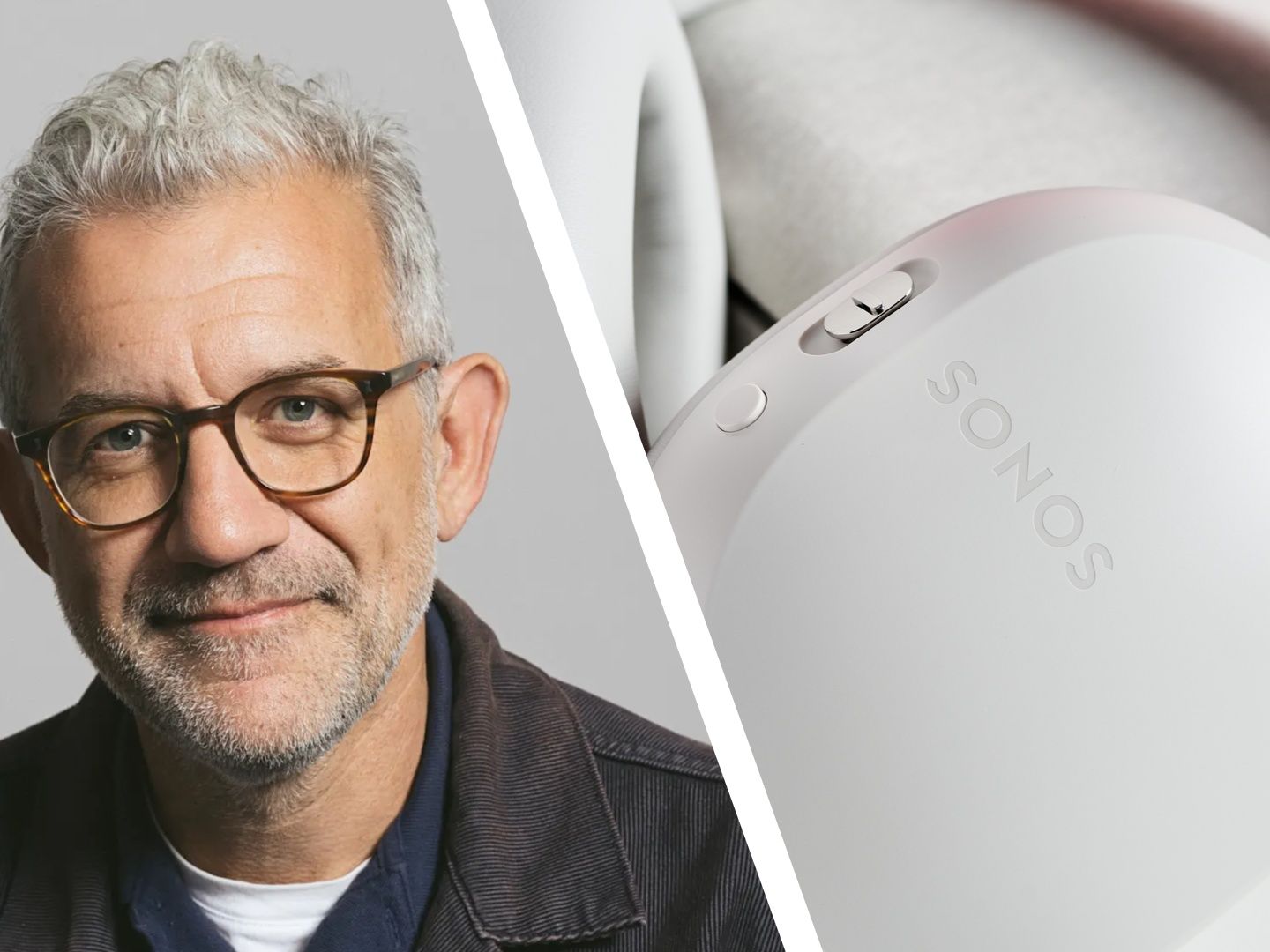
A further 3% cut in mid-2026 removed long-serving executives including design VP Dana Krieger (12 years), UX head Kate Wojogbe and home theatre lead Scott Fink (15 years).
Conrad has said he wants “more conviction and more velocity” from the business. Some staff, however, view the changes as primarily cost-cutting, and questions remain over whether Sonos can still deliver breakthrough products beyond a roadmap of safe-bet speakers and amplifiers.
AI Shift
On the product front, the Sonos 27 software introduces 27voice, a cloud-based AI assistant, a move away from the company’s original privacy-first approach.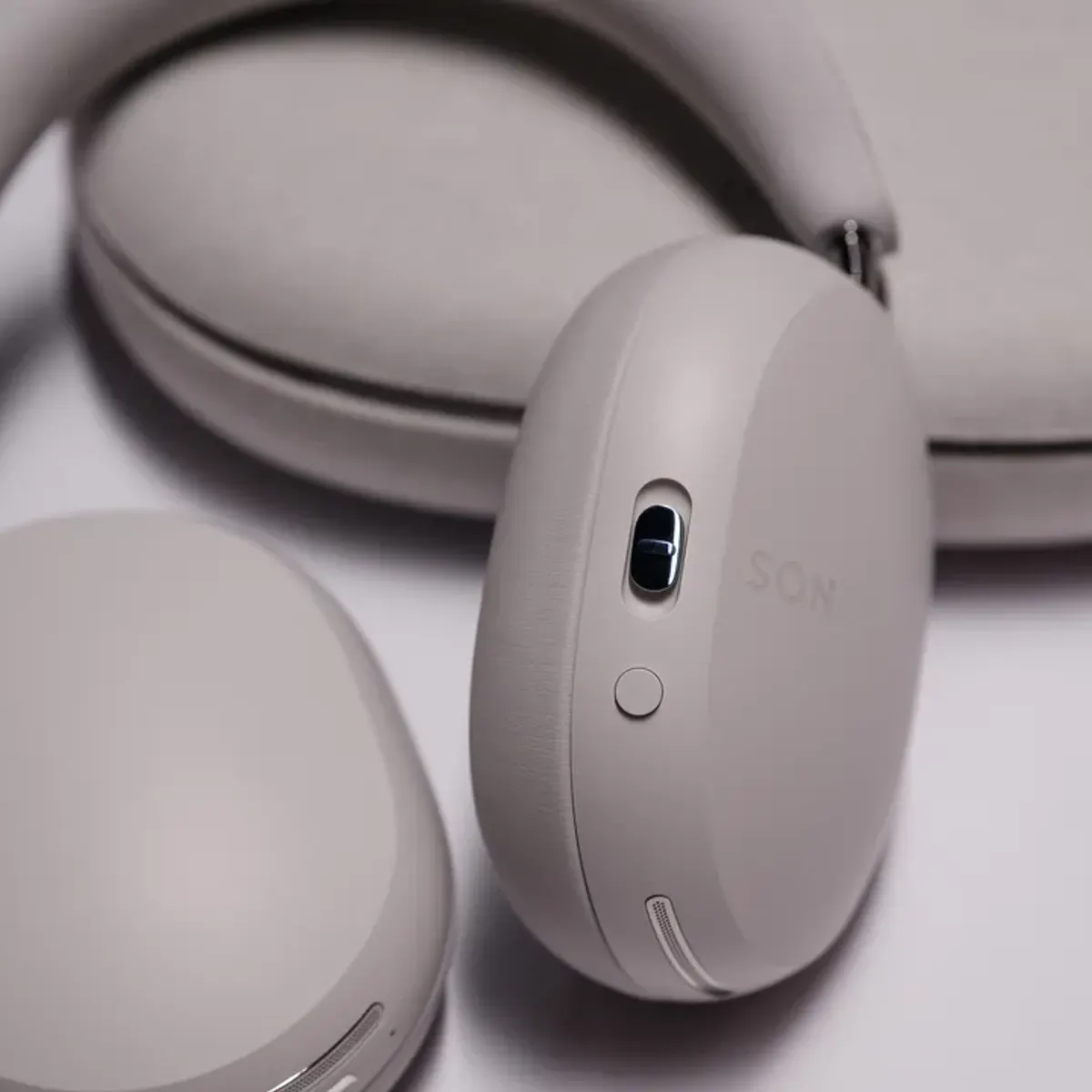
Samsung Threat
Sonos now faces a direct challenge from Samsung and its Harman and Sound United operations. Some analysts believe Harman can squeeze Sonos by combining JBL’s retail reach with Denon’s position in home theatre.
At IFA, Harman repositioned JBL from a portable brand into a whole-home multiroom system, run through the JBL One app with AirPlay 2, Google Cast and Roon support.
Samsung’s Music Studio 5 and 7 speakers mirror the driver layouts of the Sonos Era 100 and Era 300, with Samsung relying on design, TV integration and Harman tuning to win buyers.
Reviewers still rate Sonos as the best multiroom platform of 2026. But as a pure-play audio company, Sonos is more exposed than Samsung to memory cost spikes, which it is likely to have to pass on to customers.