Samsung And Hyundai Link Cars And Homes With New In-Car SmartThings Controls
 April Ossington
24 Mar 2026
April Ossington
24 Mar 2026

Samsung Electronics has teamed up with Hyundai Motor Group to introduce a new feature that lets drivers control connected home appliances directly from their vehicle, marking a further step towards fully integrated smart living.
The newly launched Car-to-Home service allows Hyundai and Kia drivers to manage SmartThings-enabled devices such as air conditioners, air purifiers, robot vacuums and lighting using the vehicle’s infotainment screen. It builds on the earlier Home-to-Car feature, which gave users the ability to control certain vehicle functions remotely from their home.
With both systems now in place, the partnership effectively creates a two-way connection between the car and the home, allowing users to manage each environment from the other.
Access to the feature requires linking a SmartThings account through Hyundai’s BlueLink or Kia Connect platforms. This is done via a QR code within the car’s system. For now, compatibility is limited to vehicles equipped with Hyundai’s Navigation Cockpit platform introduced after November 2022, although wider rollout is expected through future software updates.
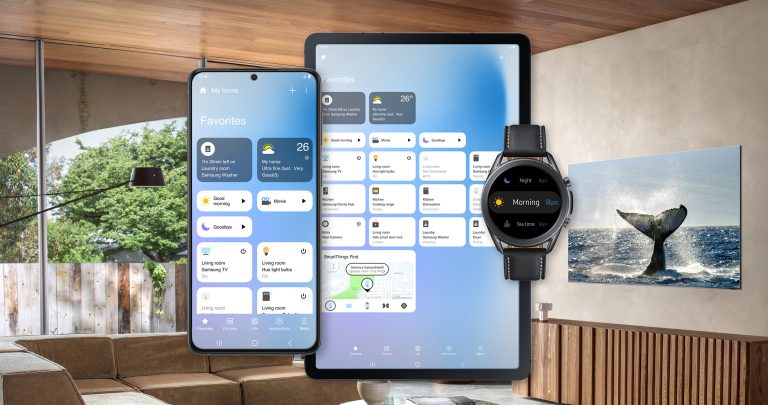
One of the key elements is the use of location-based automation. As a driver approaches home, the system can trigger pre-set routines such as switching on lights or activating air purification. In warmer months, users can also pre-cool their living spaces before arrival. When leaving home, the system can automatically turn off appliances and even start a robot vacuum.
The broader aim is to create a more connected daily experience by linking mobility with the home environment in a seamless way.
The collaboration between Samsung and Hyundai extends beyond convenience features. Earlier developments included tools for locating vehicles using Samsung’s device network, even without a direct internet connection. There are also plans to expand into areas such as in-car health monitoring through integration with wearable devices, as well as features aimed at improving comfort for pets during travel.
The partnership highlights how technology and automotive companies are increasingly working together to merge digital ecosystems, turning vehicles into extensions of the connected home.