Samsung AI Fridge Update Leaves Some Models Unable To Keep Their Cool
 Emma Wheaton
24 Sep 2026
Emma Wheaton
24 Sep 2026

A software update intended to improve Samsung’s smart refrigerators has instead left some units in South Korea unable to cool food.
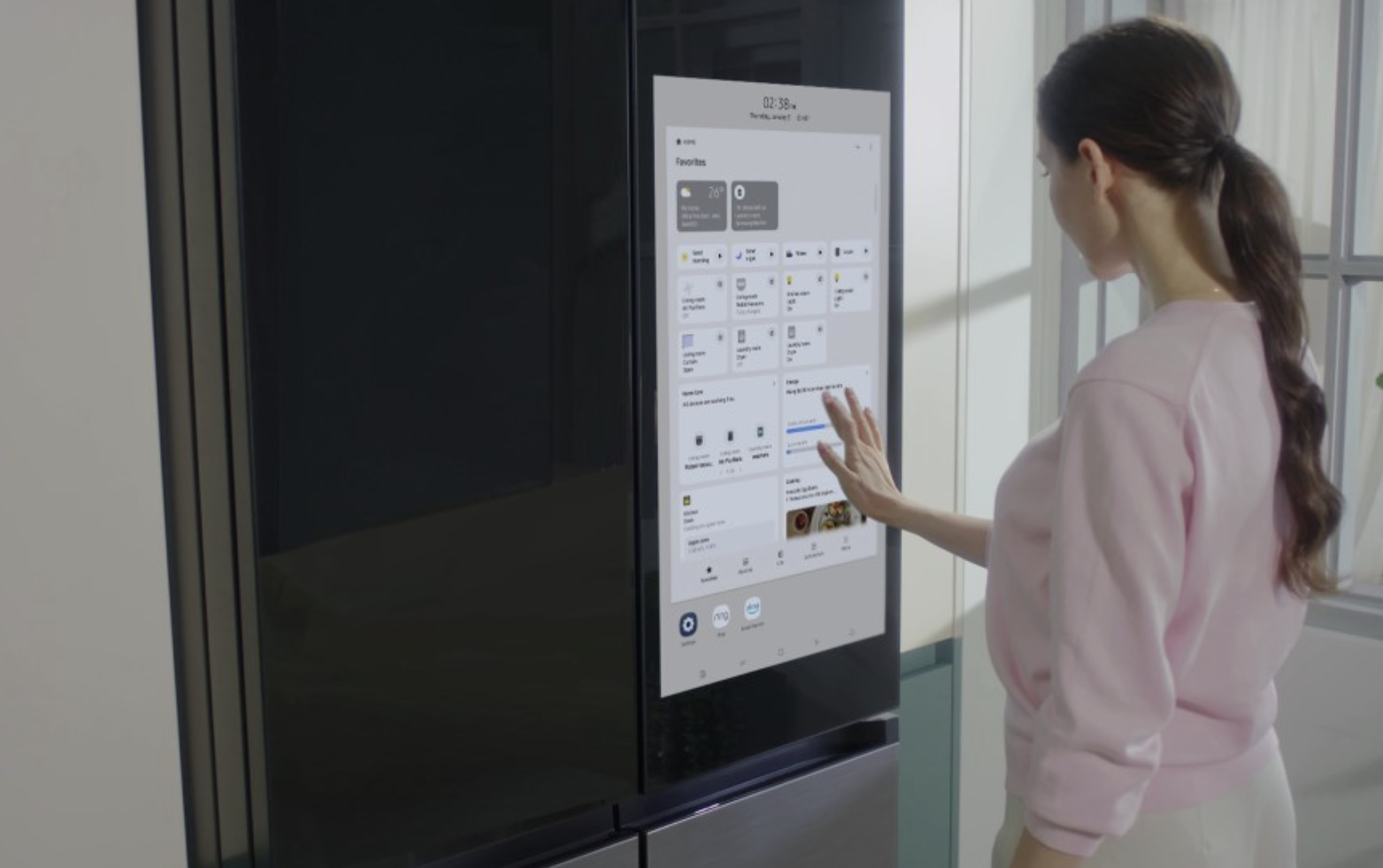
Some models in Samsung’s Bespoke AI refrigerator range were affected, with reports emerging after owners installed an update through the company’s SmartThings connected-home platform. Reportedly, affected refrigerators lost power or display functionality and their refrigeration systems also stopped operating.
The issue happened on 22 September, just days before South Korea’s Chuseok holiday, a time when many households stock their refrigerators and freezers with food.
Samsung has acknowledged that the issue was caused by an error during the software update process, rather than a hardware defect in the refrigerators or a SmartThings-associated outage.
According to Korean reports, software intended for internal testing was inadvertently distributed to some customers. Samsung then halted the update and established an emergency response operation to restore the affected appliances.
The company has said it will cover repair costs resulting from the incident and is working to restore affected refrigerators. Samsung is also reviewing potential compensation for food that may have spoiled as a result of the loss of refrigeration.
Reports from Samsung’s customer community describe owners discovering that refrigerators had stopped cooling, with some turning to ice boxes and other temporary measures. Some customers reported that restarting the refrigerator or disconnecting it from SmartThings did not resolve the problem.
The incident has highlighted a potential downside of increasingly connected household appliances: software updates can affect functions that have traditionally operated independently of internet-connected services.
Samsung has increasingly positioned its refrigerators as smart-home devices rather than conventional appliances. Its Bespoke AI range can connect to SmartThings and receive software updates, while selected models incorporate innovative AI-powered features including food recognition, voice control and personalised recommendations.
The current reports are based in South Korea and Samsung has not indicated that the faulty update affected customers in Australia. Samsung has also not publicly shared how many refrigerators were affected.
The company’s emergency response is expected to address the immediate problem, but it will likely add to broader questions about how manufacturers test and distribute software updates for connected appliances. Because, unlike a smartphone or television, a refrigerator has a critical physical function: keeping food cold. So when an update interferes with that function, the consequences can extend beyond an inconvenient loss of connectivity to consequences like spoiled food and additional household costs.