Samsung Acquires Healthcare Platform Xealth to Connect Wearables with Hospital Systems
 Isabella Alexiou
09 Jul 2025
Isabella Alexiou
09 Jul 2025

Samsung has announced the acquisition of Xealth, a digital health platform that enables healthcare providers to monitor and schedule patient care at scale, as the South Korean technology company expands its presence in the healthcare sector.
The deal, with undisclosed financial terms, is expected to close by the end of 2025 pending regulatory approvals and other closing conditions.
The acquisition will integrate Samsung’s wearable technology with Xealth’s healthcare platform, creating connections between health data collected by Samsung devices and clinical records maintained by hospitals.
Samsung describes the integration as creating “synergy” between consumer health monitoring and professional medical care through enhanced provider-patient relationships centred on comprehensive health data analysis.
Xealth currently serves more than 500 hospitals across the United States and works with over 70 digital health solution partners, all of which will gain access to Samsung’s integrated platform following the acquisition.
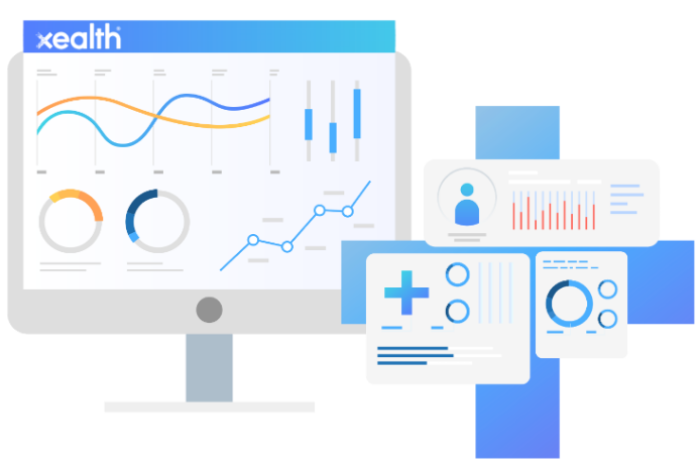
The company, which spun out of the Providence health system, specialises in enabling doctors to monitor patient health and coordinate care delivery efficiently across large patient populations.
Samsung positions the acquisition as advancing its “transformation into a connected care platform that bridges wellness and medical care, bringing a seamless and holistic approach to preventative care to as many people as possible.”
The integration aims to create direct links between home health monitoring through Samsung wearables and clinical decision-making processes within healthcare systems.
The healthcare expansion comes as Samsung seeks to diversify beyond its traditional electronics and semiconductor businesses amid challenging market conditions.
The company announced the Xealth acquisition on the same day it projected a 56 percent drop in operating profit for the second quarter compared to the same April-June period in 2024, largely attributed to poor sales performance of its artificial intelligence chips.
The timing of Samsung’s healthcare push coincides with renewed government interest in wearable health technology.
Health and Human Services Secretary Robert F. Kennedy Jr. recently expressed his vision of having every American wear a health monitoring device within four years, though this goal has drawn criticism from some healthcare experts and privacy advocates.
Samsung’s strategy reflects broader industry trends toward integrated healthcare ecosystems that combine consumer technology with professional medical services.
The acquisition allows Samsung to leverage its existing Galaxy Watch and health monitoring device ecosystem within established healthcare infrastructure, potentially creating new revenue streams while supporting preventative care initiatives.
The deal represents Samsung’s most significant healthcare acquisition to date and signals the company’s commitment to competing with other technology giants, including Apple, which has made substantial investments in health technology through its Apple Watch and Health app ecosystem.
The integration of wearable data with clinical systems could enable more personalised and responsive healthcare delivery models.
The acquisition comes as the digital health market continues expanding, with increased adoption of remote patient monitoring and tele-health services accelerated by the COVID-19 pandemic.
Samsung’s entry into this space through the Xealth platform provides immediate access to established healthcare provider relationships and regulatory expertise necessary for operating within the highly regulated healthcare industry.