Chinese TV Brands Battle Samsung And LG As Premium War Heads To CES 2027
 David Richards
25 Nov 2026
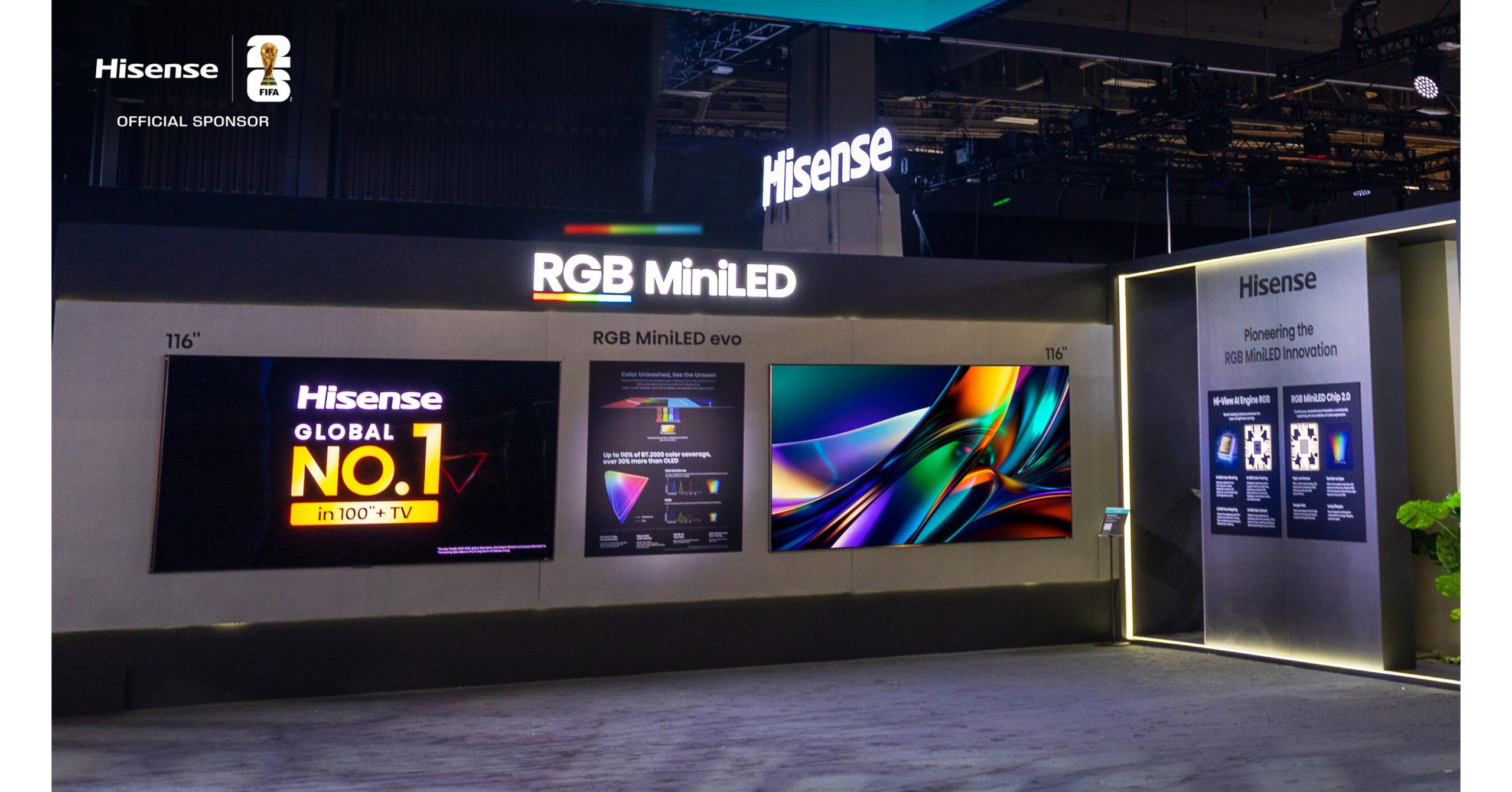
TCL and Hisense shipped more global TVs than Samsung and LG combined in the third quarter, setting up a fierce fight for the premium large screen market at CES 2027 in Las Vegas, as Australian retailers warn that rampant discounting is destroying margins across the category.
New TrendForce data shows TCL and Hisense shipped a combined 14.93 million TVs across all price tiers in the September quarter, ahead of the 14.6 million shipped by Samsung and LG.
The South Korean giants still hold the lion’s share of the premium large screen market, but they are now set to use CES 2027 to fight back with new technology and manufacturing processes aimed at holding off Chinese rivals that are moving rapidly up market.
Buyers “Impressed” With 2027 Ranges
TV buyers from Harvey Norman, JB Hi-Fi and The Good Guys have recently returned from China, Japan and South Korea, where they viewed the 2027 ranges.
ChannelNews understands buyers came away “impressed”, with TCL singled out as the weak link.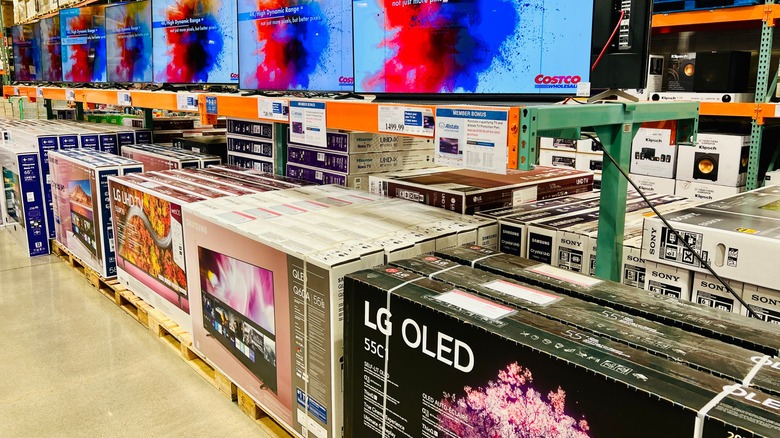
Sony, whose TV business is now 51% controlled by TCL, is seen as a “contender” to take share in the premium market in 2027.
A Harvey Norman franchisee said the problem for Samsung and LG is that the picture quality of Chinese TVs has improved significantly, making it harder for consumers to choose, with price and brand perception now playing a key role in buying decisions.
They also claimed that they only range TCL products “For people who walk in and want the brand”.
“The price gap used to be easier to justify when Chinese brands competed mainly at the lower end of the market,” an industry source told The Korea Times this week.
“Now that their picture quality is becoming more competitive, Samsung and LG need to give consumers a clearer reason to pay more.”
Retailers Demand An End To Discounting
Retailers are currently clearing stock, with JB Hi-Fi and The Good Guys running heavy Black Friday discount programs ahead of Black Friday on 27 November.
Retail management say all TV retailers are chasing a better average selling price (ASP) in the new year.
“At the end of the day all of the TV brands have an ASP problem because of rampant discounting. This has to stop because it’s detrimental to both retailers and TV manufacturers,” a leading TV retail executive said.
TCL has already started slashing prices on ultra large 98-inch TVs to clear stock, a move that underscores how Chinese brands are using ultra large screens to grow their share of the high end market.
Samsung and LG are also discounting heavily in the US. Samsung is offering up to US$1,200 off select Neo QLED TVs and US$300 off mini-LED models through its US online store, while LG is running holiday promotions on select OLED and QNED mini-LED models, including free installation.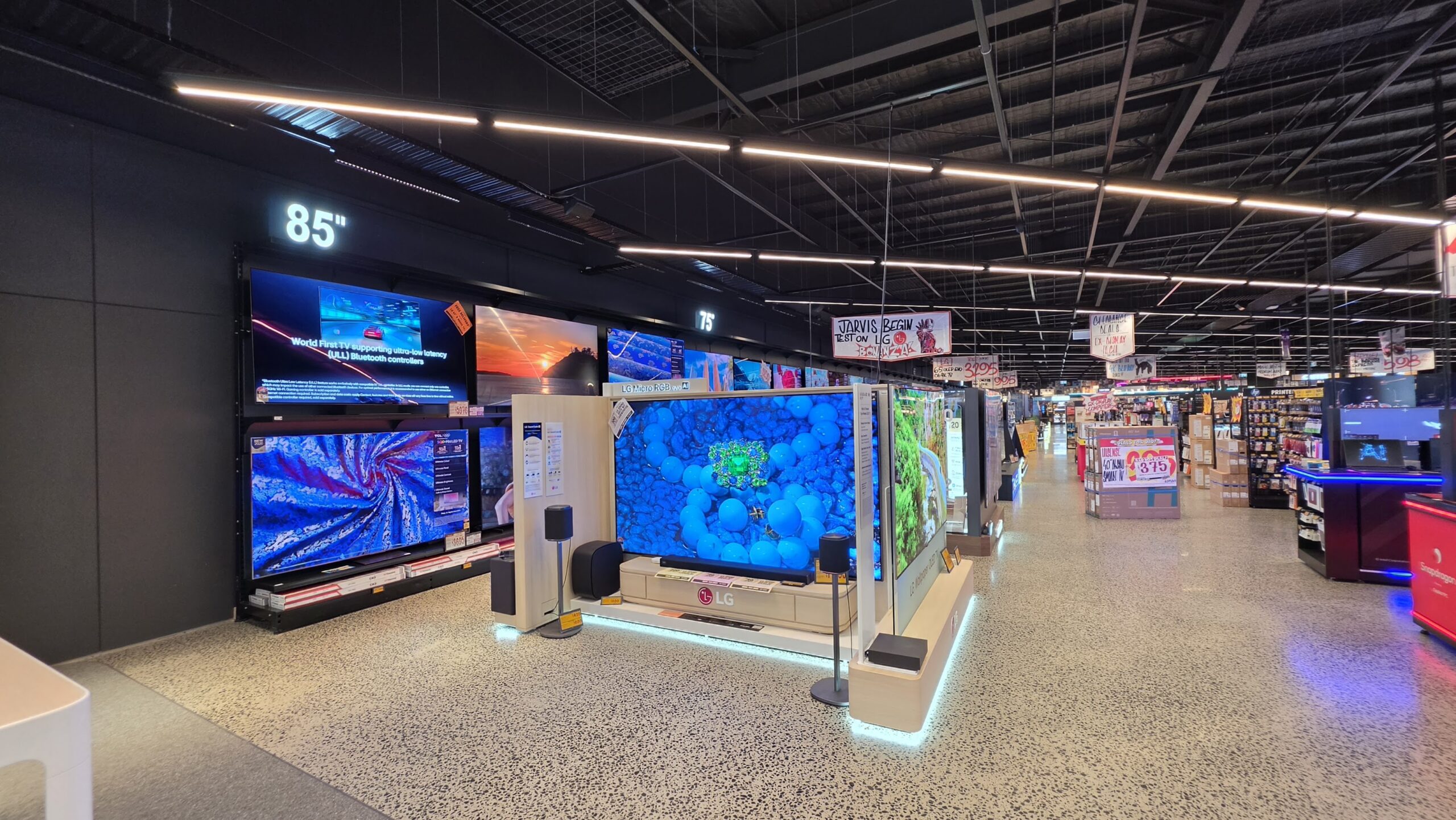
Samsung Holds Top Spot As TCL Closes In
According to TrendForce, global TV shipments fell 3.6% year on year to 47.94 million units in the third quarter.
Samsung retained the top spot with 8.4 million units, down 1.9%. Second placed TCL lifted shipments 1.1% to 7.48 million units, narrowing the gap to 920,000 units.
Hisense was close behind with 7.45 million units, down 2.7%, while LG ranked fourth with 6.2 million units, up 6.9%.
TrendForce said TCL recorded double digit revenue growth in multiple markets, though not in Australia, driven by its expanding range of large screen and mini-LED models.
Hisense reported a 77.4% jump in global sales of TVs 100 inches and larger in the first nine months of 2026, along with a 75.5% increase in mini-LED TV sales.
Mini-LED The Key Battleground
Mini-LED has become the main growth engine for the industry. TrendForce expects global mini-LED TV shipments to surge 116% this year to 28.78 million units, close to 15% of the total market.
Mini-LED TVs deliver better brightness and contrast than conventional LCD models, are available in larger screen sizes than OLED and generally cost less than OLED sets of a similar size.
OLED is also growing, with Samsung and LG benefiting from their dominance of that technology.
Chinese manufacturers were early movers in mini-LED and are now pushing into higher end models. TCL, which launched its first mini-LED TV in 2019, showed premium models with super quantum dot technology at CES 2026.
TCL’s Australian management and its Sydney based PR company have gone remarkably quiet on the company’s CES and 2027 plans.
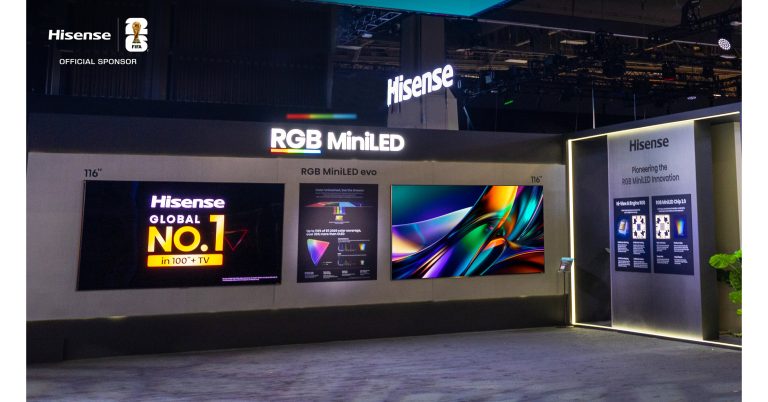
Hisense has expanded into mini-LED gaming TVs and RGB mini-LED models, which use red, green and blue backlighting to improve colour performance. TrendForce expects Hisense to lead the global RGB mini-LED market with a 33% share, ahead of TCL.
Samsung And LG Push Into “Affordable Premium”
Samsung and LG are both expanding their “affordable premium” lineups in a bid to win back share.
Samsung introduced a new, more affordable mini-LED range this year alongside its premium Neo QLED series. In the US the range spans 43 to 100 inches, with AI picture enhancement across all models. TrendForce expects Samsung to reclaim top spot in global mini-LED shipments this year with a 26% share.
LG is widening its premium LCD portfolio while keeping OLED at the centre of its high end strategy. It has added 100-inch and 115-inch models to its QNED mini-LED lineup and introduced mini RGB evo and micro RGB evo TVs. TrendForce forecasts LG’s mini-LED shipments will jump more than 800% to 1.75 million units in 2026, placing it fourth globally.
Rising Costs Cloud Outlook
Analysts warn that higher volumes may not translate into stronger earnings, with rising memory prices adding to manufacturers’ costs. TrendForce projected in September that fourth quarter TV panel costs would rise 4% to 7% on the third quarter.
“Mini-LED is one of the few areas where manufacturers can still expect significant shipment growth,” another industry source said.
“But selling more TVs won’t necessarily mean making more money if component costs keep rising and Chinese rivals continue to put pressure on prices.”
The year end sales season is unlikely to reverse the broader slowdown. TrendForce expects global TV shipments to rise 8% on the third quarter in the final three months of 2026, but remain 4% below the same period last year.