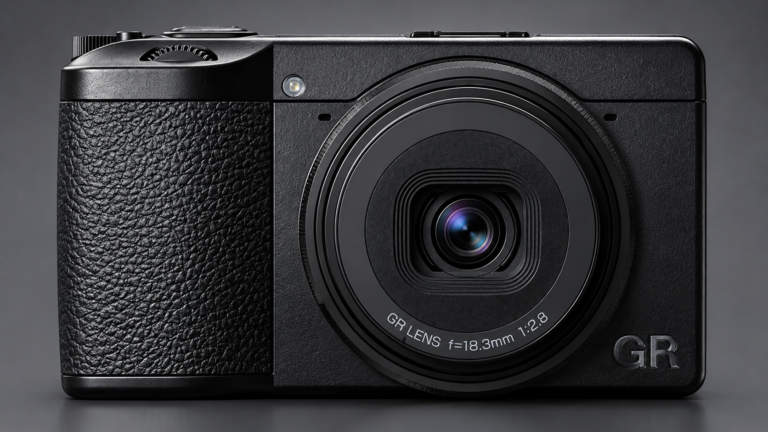
Ricoh’s Compact Cameras Win Over A New Generation Of Photographers
 April Ossington
25 Nov 2026
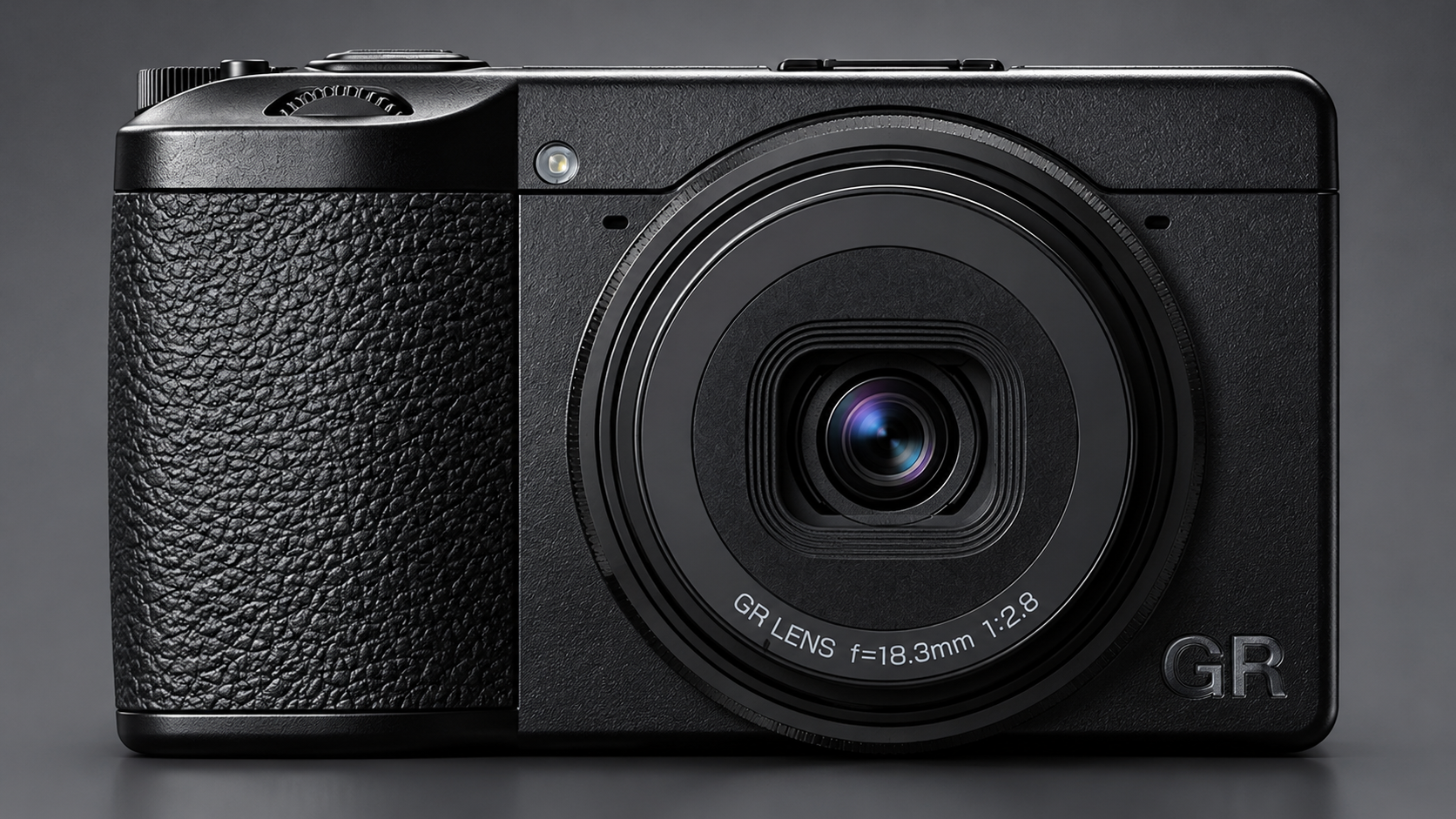
Japanese camera manufacturer Ricoh is experiencing a resurgence in demand for its premium GR compact digital cameras, driven by younger consumers seeking a more traditional photography experience.
While artificial intelligence and smartphone photography continue to transform the imaging market, Ricoh has found success by prioritising portability, image quality and creative control over increasingly sophisticated features.
Demand for the GR range has become so strong that some Japanese retailers have introduced purchase restrictions and lottery systems to manage limited stock.
Ricoh Imaging is ramping up production to address supply shortages, with some second-hand cameras commanding prices above their original retail value on online marketplaces.
The GR series dates back to 1996, when Ricoh introduced its first compact film camera designed to deliver high-quality images in a lightweight, portable format.

Rather than competing directly with Japanese camera giants Canon and Nikon on zoom capabilities, Ricoh differentiated its products by adopting a fixed focal length design.
The company retained this approach when transitioning to digital photography, maintaining the range’s compact dimensions and distinctive black exterior.
Ricoh Imaging director Kazunobu Saiki told Nikkei Asia that the company’s philosophy centres on allowing photographers to exercise their own creativity rather than relying on an extensive range of automated features.
While the GR series traditionally appealed to professional photographers and dedicated enthusiasts, its customer demographic has shifted considerably since the beginning of the decade.
In China, the average GR owner is now in their 20s, with women accounting for more than 70 per cent of users.
Ricoh attributes the growing interest among younger consumers partly to social media, which has encouraged greater appreciation of photography and image quality.
According to Japanese market research firm Techno Systems Research, Ricoh shipped 150,000 compact digital cameras in 2025, three times the volume recorded in 2023.
Its share of the compact digital camera market increased by three percentage points over the same period, reaching more than 6 per cent.
Despite its growing popularity, the camera division remains a relatively small contributor to Ricoh’s overall financial performance, estimated to account for approximately 1 per cent of group revenue in the financial year ended March.
Ricoh’s primary operations remain focused on office imaging equipment and digital workplace services.
However, the company continues to support its consumer camera business, recognising its contribution to brand awareness and engagement with customers outside its traditional corporate market.
The growing popularity of the GR range highlights an opportunity for dedicated camera manufacturers to attract younger consumers through distinctive products that offer an alternative to smartphone photography and AI-generated imagery.