REVIEW: Samsung Galaxy Z Fold 8 Ultra: A Pocket Office With A Front Row Seat
 David Richards
06 Oct 2026
David Richards
06 Oct 2026
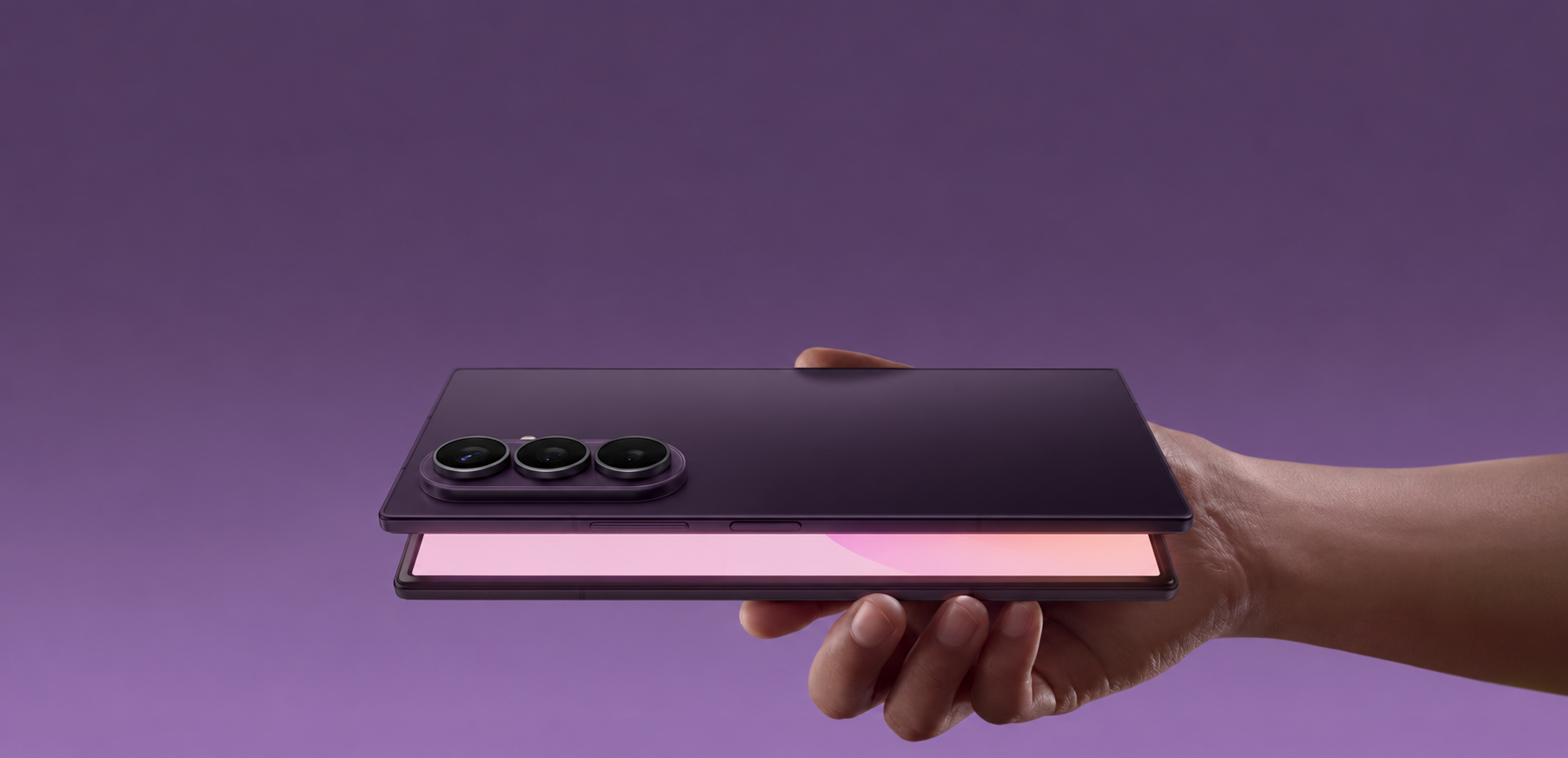
The moment Samsung’s $2,699 256Mb Galaxy Z Fold 8 Ultra proved its worth to me came thousands of kilometres from Australia, watching the Sydney Swans dismantle Brisbane.
It was 5 September. Sydney had spent days in the media spotlight for all the wrong reasons and was missing five suspended players. Then came a win that reminded everyone what this team could do.
I was in Berlin covering IFA. The device helping me manage a publishing business suddenly became my window into one of the Swans’ great sporting moments.
Open the screen, fire up the coverage and there it was: live Australian football on a display large enough to enjoy the action.
Sydney’s season eventually ended against Fremantle in the preliminary final. My enthusiasm for the Fold 8 Ultra lasted considerably longer.
After weeks of use, this is what stands out, Samsung has made the transition between a premium smartphone, a working screen and a portable entertainment device feel remarkably natural.
From Lemon To Benchmark
I have reviewed every generation of Samsung’s foldables, including the original device that prompted my headline: “Has Samsung Just Released Its First Lemon?”
Review units literally fell apart.
That experience colours how I assess every subsequent Fold. Attractive engineering means little if it cannot survive everyday use.
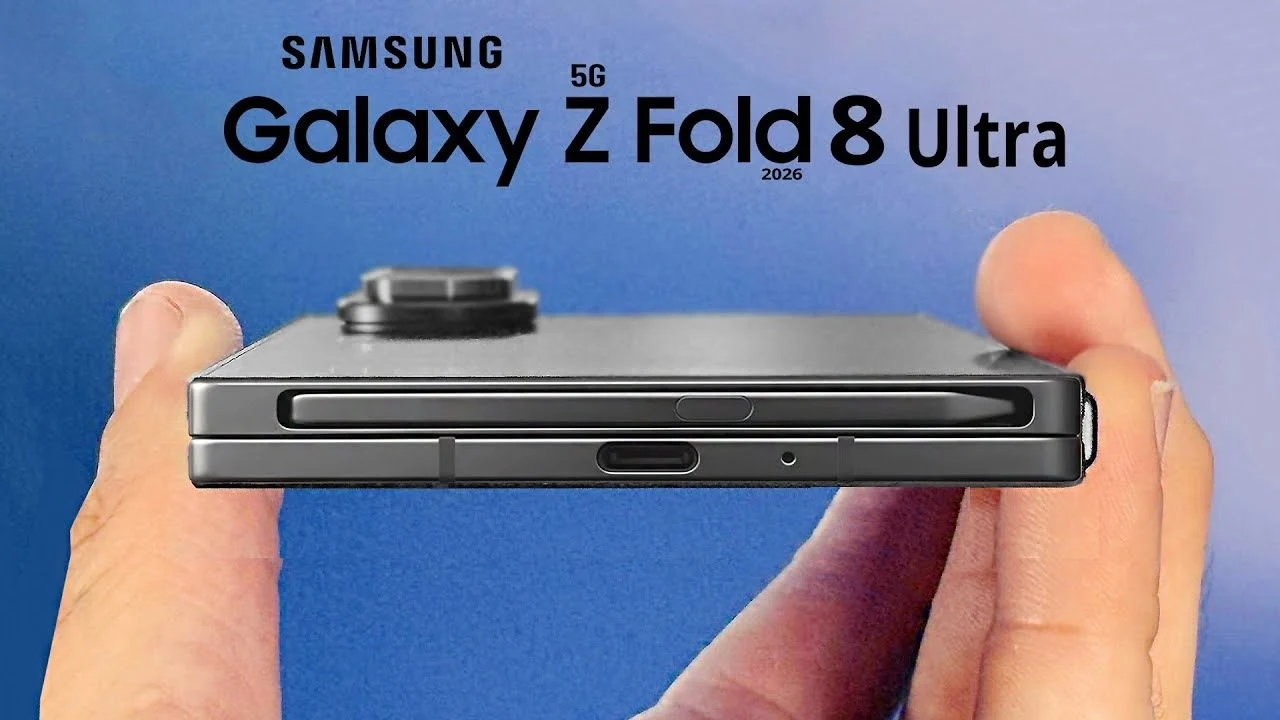
In my view, Samsung’s early failure became an expensive education. The lessons appear in the refinement of its current hardware, which I think is now the best foldable technology in the world today.
The Fold 8 Ultra nevertheless feels like a product developed by a company with considerable experience of what works, what breaks and what owners actually need.
Thin Enough To Forget The Hinge
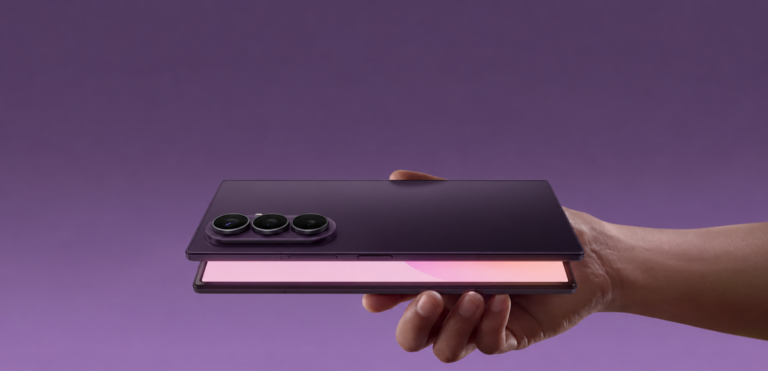
At 215g and 8.9mm thick when closed, the Ultra is impressively manageable. Open it and the body measures just 4.1mm thick. Samsung pairs a 6.5 inch cover display with an 8 inch main screen.
Those dimensions matter every time you pick it up.
Closed, it gives you a usable premium smartphone without requiring you to unfold it for routine tasks. The outside display earns its place, making quick interactions straightforward.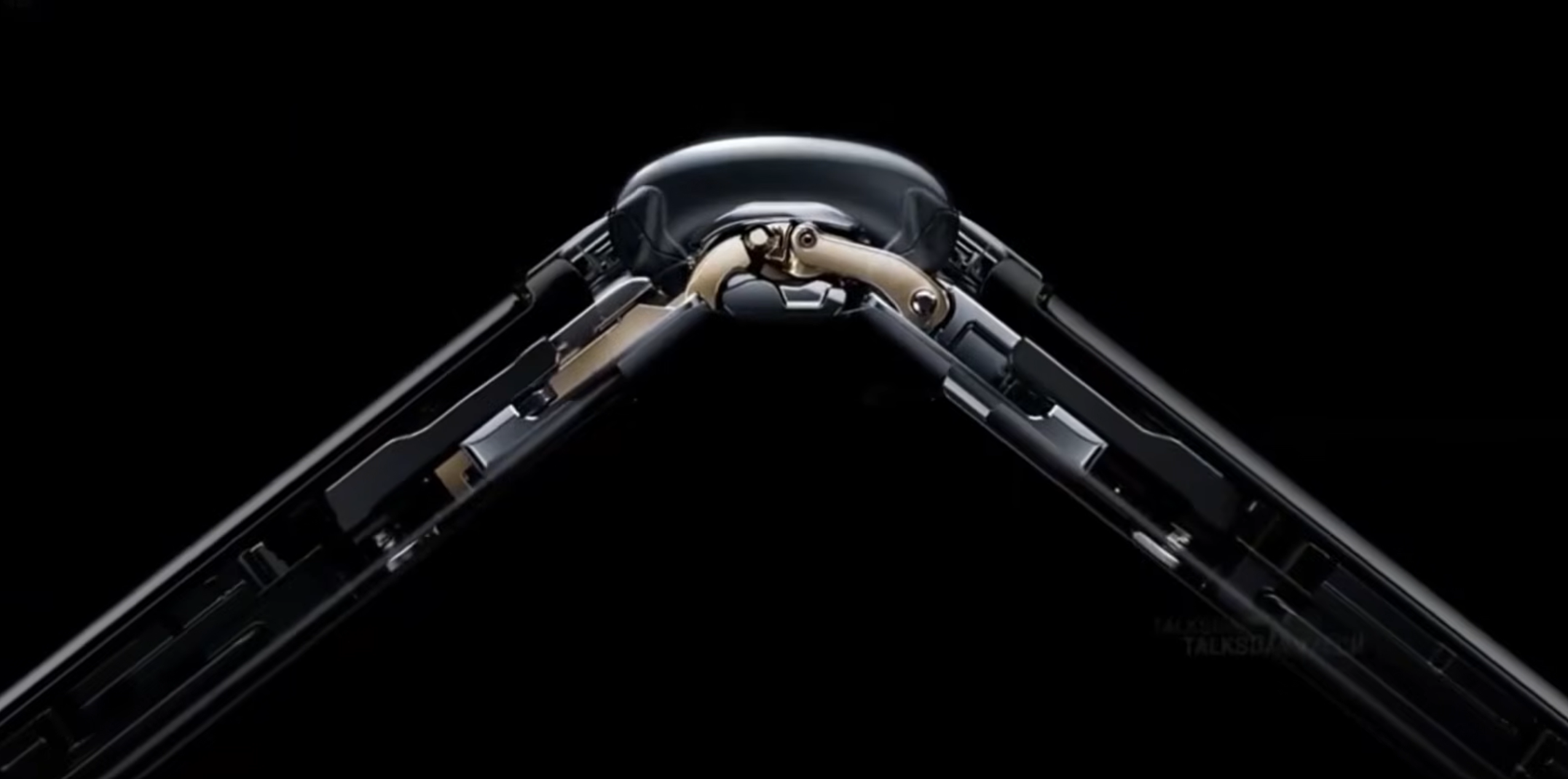
I also find the Ultra’s proportions easier to manage with one hand than the broader shape of the standard Fold 8.
It slips into a pocket comfortably. For a device that opens into such a substantial working surface, that remains an impressive achievement.
The Screen Makes The Case
Open the Ultra like a book and its appeal becomes obvious.
Photographs, video and pages gain room to breathe. Text is crisp, and the display looks notably bright and clear in my use.
On the flight to Europe, I used it to read. During IFA, it became a working screen. When the Swans played, it became a portable television.
That versatility is the reason to buy a foldable.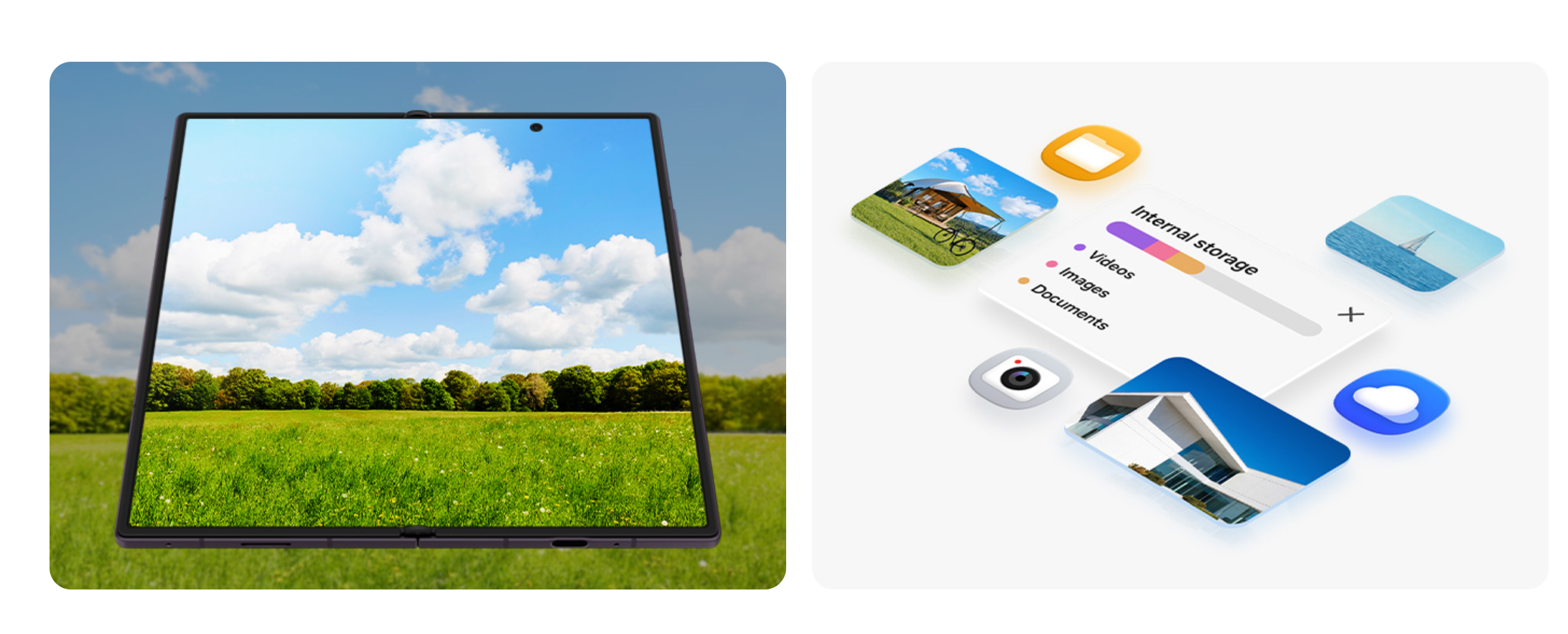
I regularly read books and browse on my phone, and the Ultra is good enough that I can leave a separate Kindle behind when travelling. For my purposes, having everything on one device is a considerable advantage.
The speakers are good, although I still prefer earbuds or headphones for films and live sport.
And the crease?
It is there. Run a finger across the centre of the display and you can feel it. During video playback or reading, however, it rarely attracts my attention.
Samsung has reached the point where the content commands more attention than the fold.
A Business Device That Earns Its Space
The larger display becomes particularly valuable when working with spreadsheets and publication layouts.
More information stays visible. Two apps can sit beside each other, making it easier to refer to one while working in another.
Samsung’s Snapdragon 8 Elite Gen 5 for Galaxy supplies the processing power. In my everyday use, the Ultra handled multitasking comfortably, whether I was working through spreadsheets, downloading layouts or switching to video.
The software is central to that experience.
Floating windows and split screen layouts make practical use of the space. Separate home screens for the cover and main displays let you arrange each around how you use it, while app continuity settings give you control over what happens when you close the phone.
The Now Bar is another useful touch, keeping ongoing information and controls within easy reach.
For someone managing a business while travelling, these conveniences add up. The Ultra gives you more scope to complete work directly on the phone.
Battery Life With Breathing Room
Battery life has been one of the biggest improvements in my experience.
Across weeks of use, including busy days involving video and layout downloads, I rarely found myself running seriously low.
On some occasions, I stretched a charge to around two days. That reflects my usage rather than a promise that every owner will achieve the same result.
Charging is also much more convenient. Using my wired charging setup, I saw roughly 70% in half an hour and a full charge in about an hour.
For a traveller, a useful top up between appointments can matter as much as endurance. The Ultra performed well on both counts.
Good Cameras, An Awkward Bump
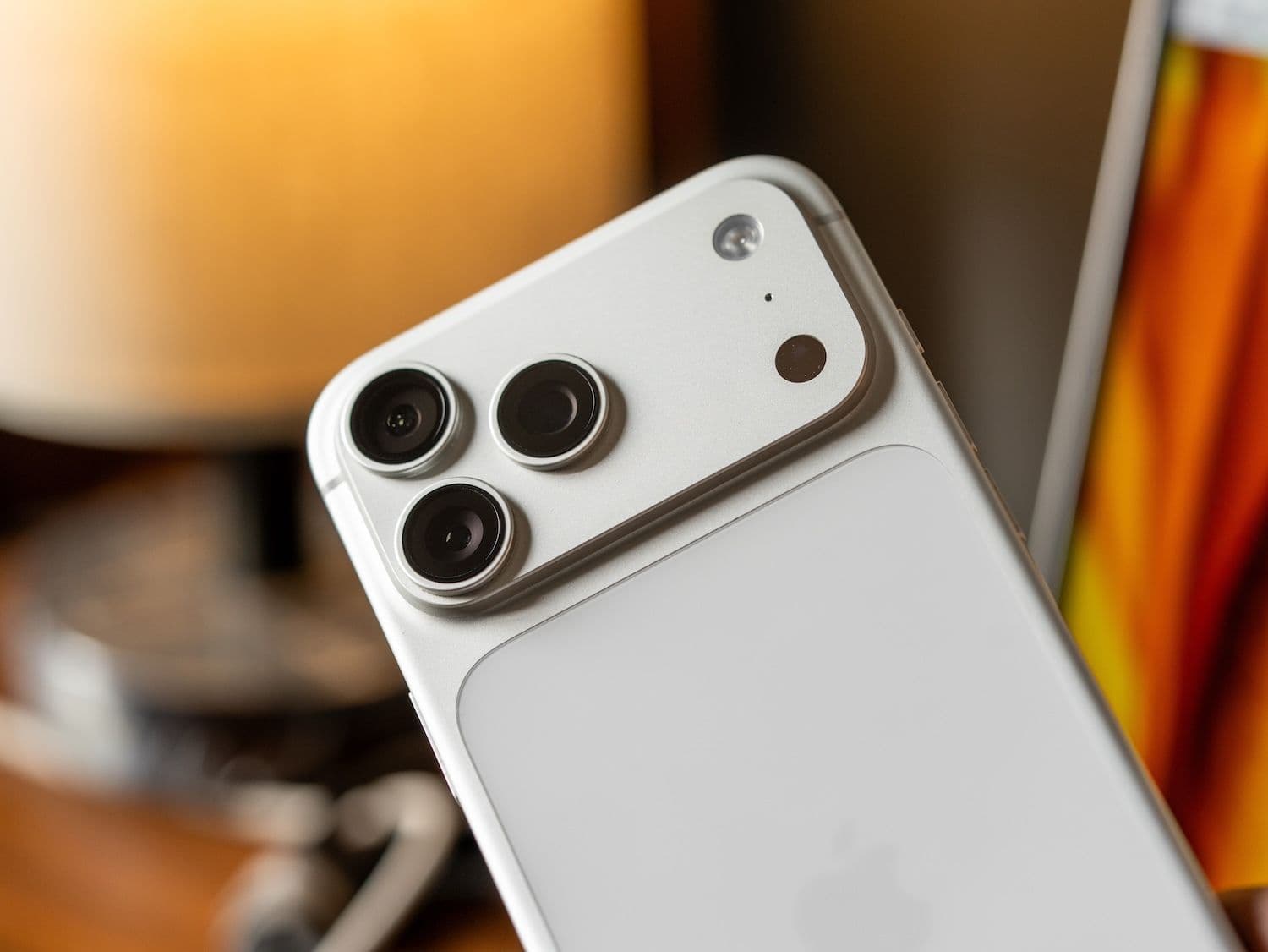
The main 200MP camera delivers sharp, colourful images, while the 50MP ultrawide is a welcome improvement.
In my use, the ultrawide produced noticeably better results than previous models. The main camera also offers flexibility, allowing you to move beyond the default 12MP output when you want a higher resolution image.
I still prefer the camera versatility of Samsung’s conventional Ultra flagship. The Fold’s strongest argument is the complete package: photography, productivity and a large folding display in one device.
Verdict
The Galaxy Z Fold 8 Ultra is my foldable benchmark.
Its appeal comes from how easily it fits different parts of the day: a normal smartphone when closed, a generous working display when opened and an excellent entertainment companion when the work is finished.
The slim body, manageable weight, strong battery performance and useful multitasking make it particularly compelling for frequent travellers.
The camera bump remains an irritating weakness. It interrupts an otherwise polished experience whenever you want to use the device flat on a table.
But after taking the Ultra to Berlin, working on it, reading on it and watching the Swans on it, the value of that folding screen is clear.
Samsung has put a remarkably capable office and entertainment screen into a device I can carry in my pocket. For the way I work and travel, that is a powerful combination.
My biggest irritation is physical.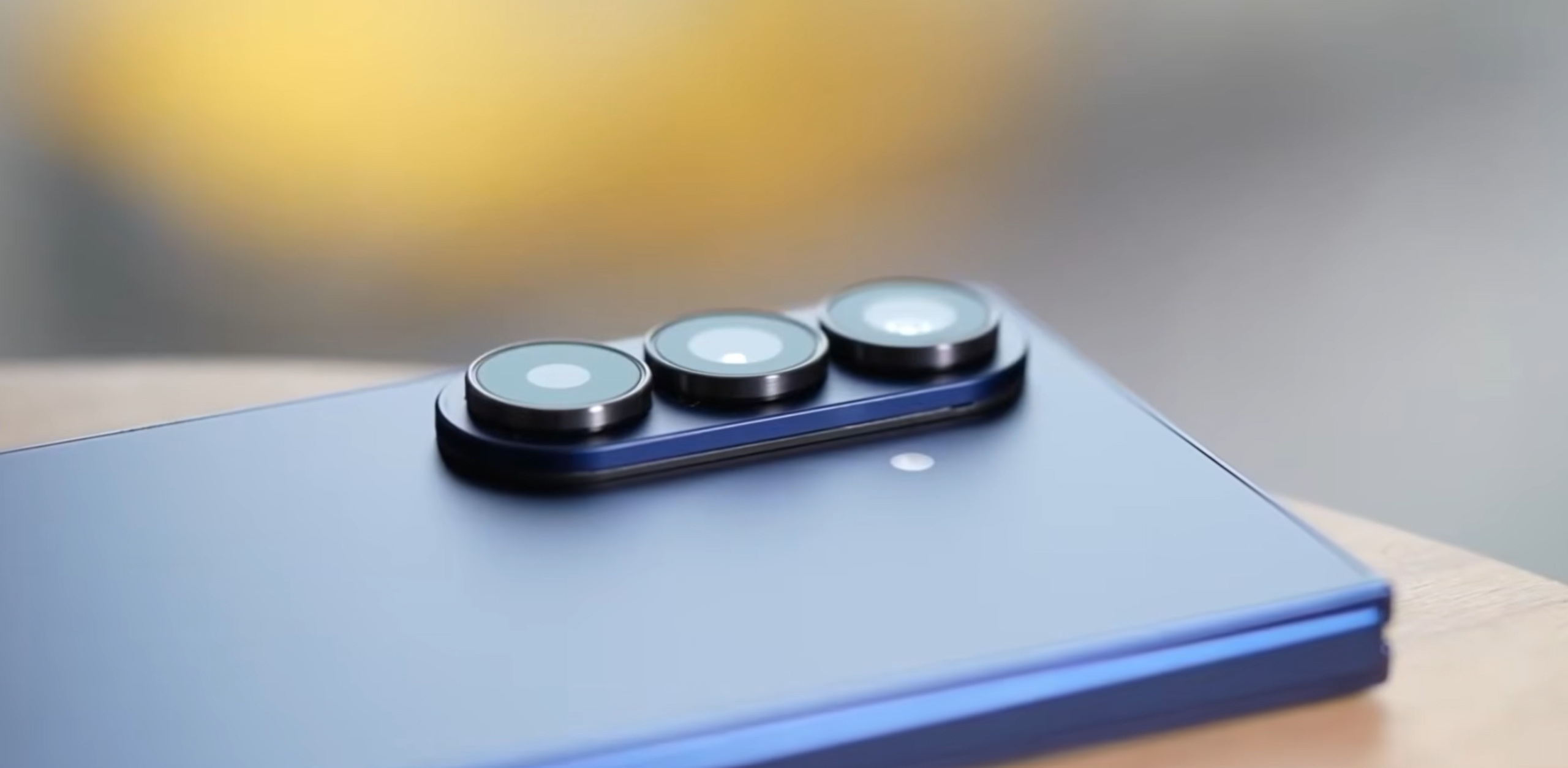
The rear camera assembly leaves the phone uneven when placed flat on a desk. That becomes particularly annoying when reading or interacting with the open display.
I ended up using the plastic bar supplied with a screen protector kit to help level it.
A device this carefully designed deserves a better solution. Samsung should reconsider the camera arrangement or include a simple support that makes desk use more comfortable.