Googlebook’s Android App Promise Comes With A Catch For Some Users
 Emma Wheaton
06 Oct 2026
Emma Wheaton
06 Oct 2026
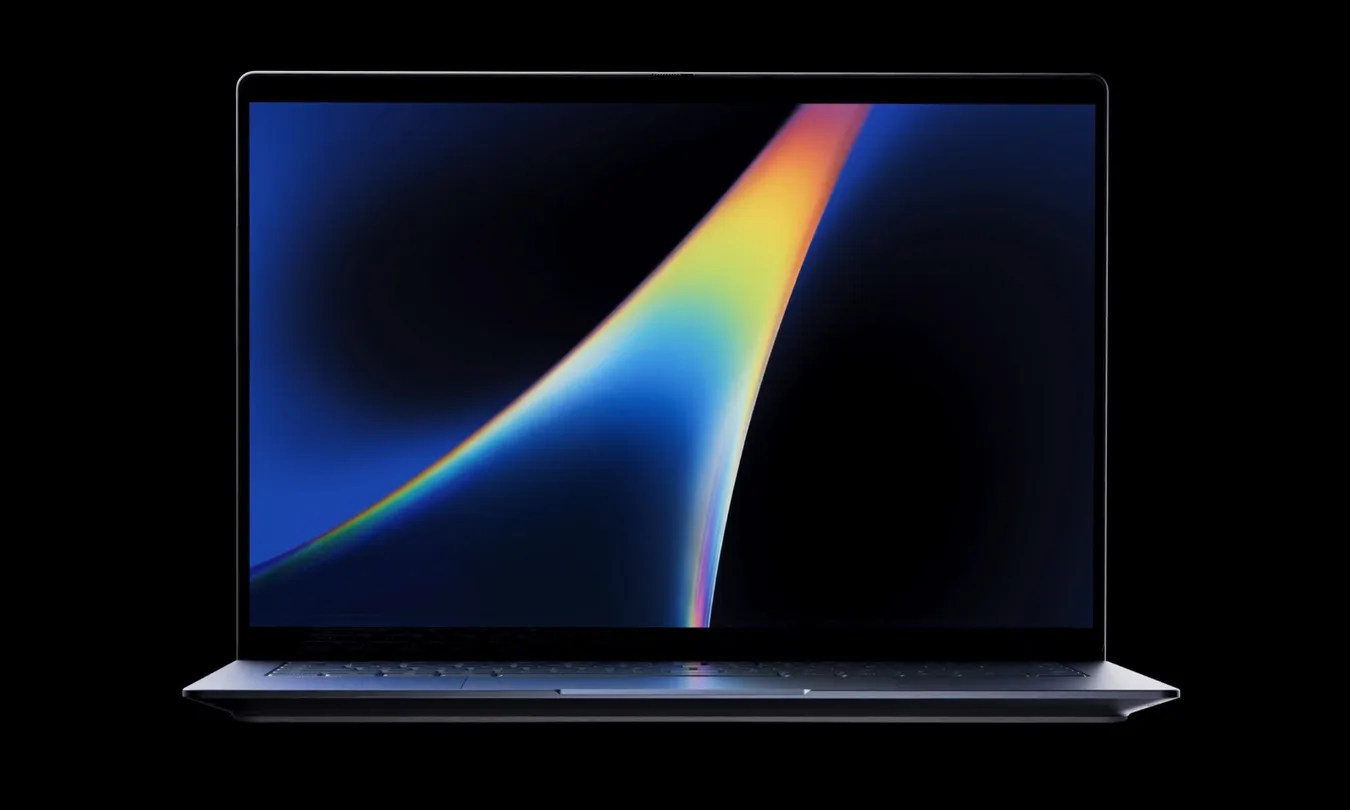
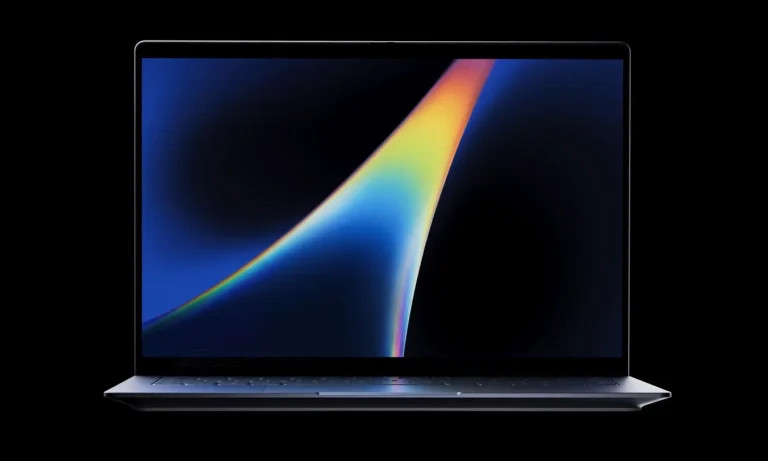
Google’s new Googlebook laptops have gone on sale with the major selling point of access to Android apps on a laptop. But the company has now acknowledged that some apps may not perform as expected on certain Googlebook models.
Google’s promotion of Googlebook has centred on it being a new generation of laptops built around Android technology, with the ability to run Android apps, including connection with Android phones. The company has also said the Google Play Store will provide access to the broader Android app ecosystem, with specially optimised apps highlighted for Googlebook users.
However, Google has now confirmed that Android app support is more complicated on laptops that use Intel processors.
The issue comes down to the different types of processor architecture used by the new computers. Many Android apps have traditionally been designed with Arm-based chips in mind. Notably, three out of the five Googlebooks that launched this week use Intel processors.
According to Google, the “vast majority” of Android apps should run well on both Intel and Qualcomm-powered Googlebooks. However, the company has acknowledged that a “small handful” of more complex apps and games may require developers to make additional changes before they can perform at their best on Intel Googlebook models.
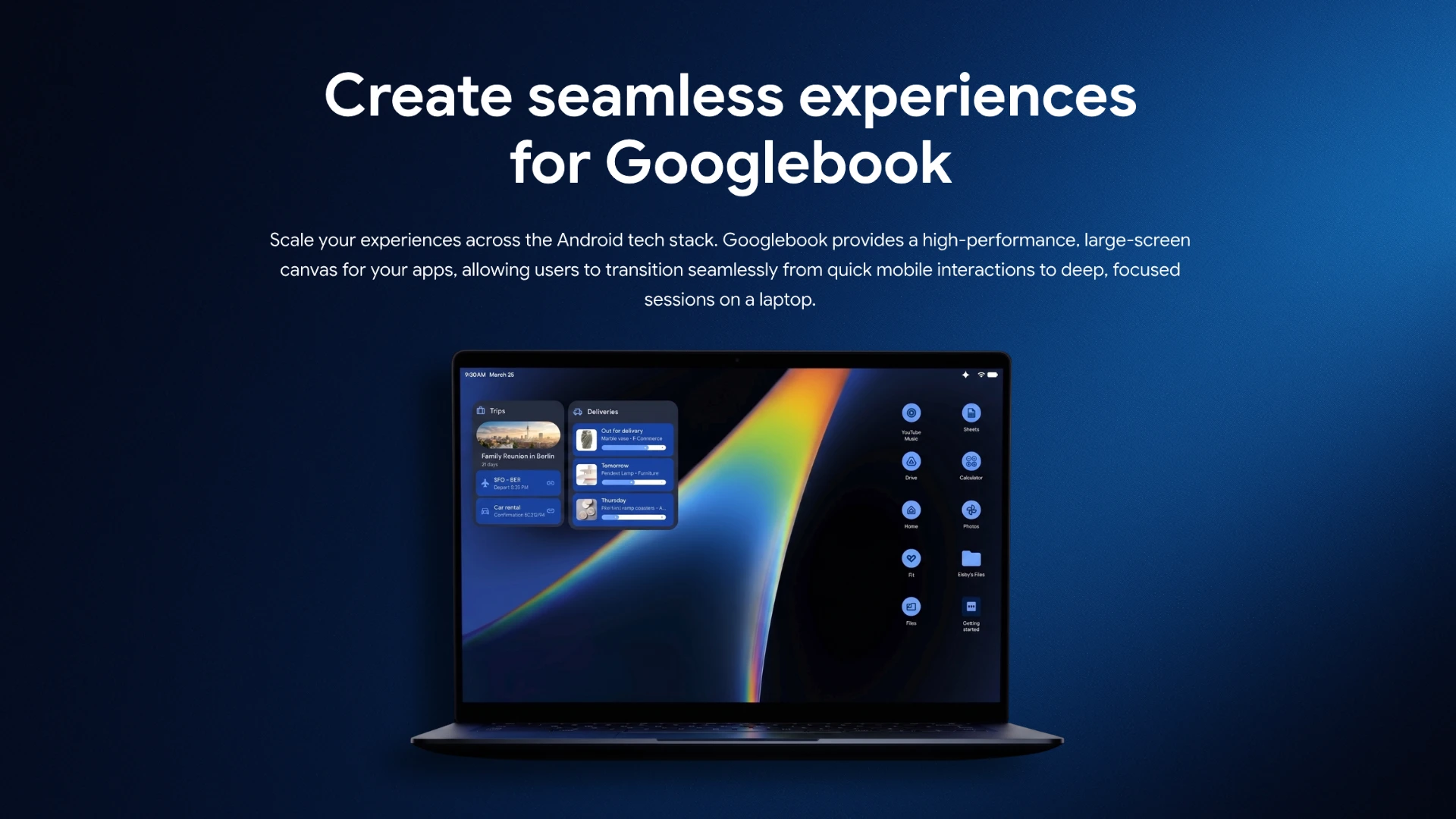
What does that mean? Australians buying an Intel-powered Googlebook could potentially find that an Android app works differently compared to the same app used on a phone or on a Googlebook with a Qualcomm Snapdragon processor.
Google has not identified which apps may be affected, which makes it difficult for those considering making a new purchase to know whether they will be impacted. The company says it is working with developers, Intel and Qualcomm to improve compatibility.
Google is pitching the platform as a more integrated experience for Android users rather than simply another Chromebook alternative. For example, among the features of the new laptop are Continue On, which allows users to pick up tasks between compatible Android devices, as well as access to files and notifications from a connected phone.
The company’s own developer guidance acknowledges that apps need to be designed to adapt to larger screens, keyboards, trackpads and desktop-style multitasking. Google has been encouraging developers to optimise their existing Android apps for the new platform rather than requiring them to build entirely separate applications.
So, while Googlebook does offer access to the Android app ecosystem, it doesn’t mean every app will deliver a fully laptop-optimised experience from day one.
Most apps are expected to work normally, but those considering an Intel-powered Googlebook may want to check the compatibility of the apps they rely on most before making a switch.