Retailers Set To Benefit From Rate Cut
 David Richards
20 May 2025
David Richards
20 May 2025
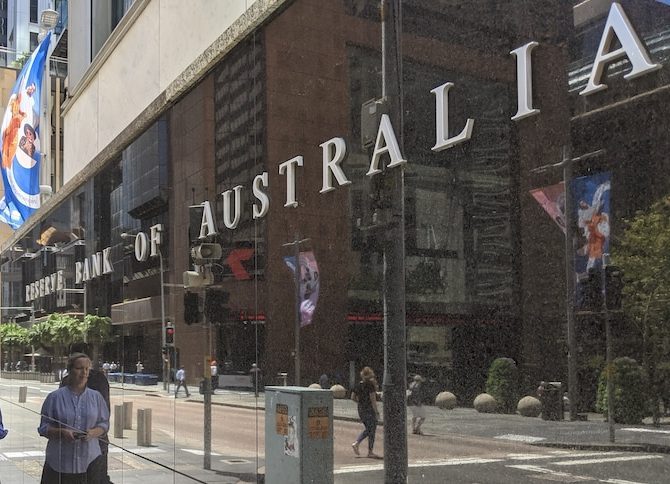
The Reserve Bank of Australia has cut the official cash rate by 25 basic points which is good news for retailers.
The Australian Retailers Association (ARA) and National Retail Association (NRA) said although the interest rate cuts are occurring later than hoped, the relief for Australian households should have a positive impact on trading conditions in the coming months.
“While today’s decision has been on the cards, we hope it nudges business and consumer confidence in the right direction,” said ARA CEO, Chris Rodwell. “A lower cash rate should have a positive flow-on effect to retail businesses, many of which are highly dependent on discretionary spending. That’s why we urge the RBA to stay vigilant to opportunities to provide further relief.
“Retailers – particularly small businesses – are the backbone of the Australian economy and play a vital role in job creation and supporting local communities. Retail contributes $430 billion to our economy and employs one in ten Australians – a retail recovery is critical to our economic wellbeing,” he said.
Tipped by the financial market, analysts and economists the move is expected gto relieve pressure on some households as the Federal Government moves to splash cash following the recent Federal Election.
“The risk to inflation has become more balanced, the RBA remains cautious about the outlook,” the RBA said in the statement.
“It nevertheless remains cautious about the outlook, particularly given the heightened level of uncertainty about both aggregate demand and supply. The board considered a severe downside scenario and noted that monetary policy is well-placed to respond decisively to international developments if they were to have material implications for activity and inflation in Australia. The board is focused on its mandate to deliver price stability and full employment and will do what it considers necessary to achieve that outcome.”
The move comes as domestic inflation finally returned to the RBA’s 2% to 3% target range in the first quarter.
One downside for retailers to watch according to analysts is that the job markets, a key driver of inflation, remains tight.
The cut comes as Australian retail remain “relatively attractive” for investors who could benefit from a surge in consumer spending. according to analysts.
This is due to strong supply-demand and strong underlying consumer demand driven by a resilient Australian consumer and growing populations from immigration set to bode well for retailers.
Some analysts are tipping that retailers such as JB Hi Fi, Harvey Norman, Bing Lee and The Good Guys will benefit from the amount of money that the Labor Government has promised consumers following their Federal Election splurge.
Also set to benefit are landlords and shopping mall owners “Positive leasing spreads and CPI+2 per cent escalation profiles in the market are notable evidence of negotiating power of landlords over underlying retail tenants,” says Citi analyst Suraj Nebhani.
He also sees investor interest in the sub-sector physical markets in 2025 potentially resulting in higher corporate activity, tighter cap rates supported valuations and growth in funds management platforms in retail real estate.
Overall the sector offers “attractive growth at a reasonable value with supply-demand balance.”.
According to KPMG Omnichannel retailers are now more digitally enabled than ever before with several of the major retailers now trialing new ways to offer products that take up large footprints in stores by ranging them online, the easing of interest could see growth coming from online appliance sales and the ranging of products online that take up space to demonstrate in stores.
A classic example is Tempo’s new bundled solar and battery offering with retailers such as Aldi and Bunnings delivering online information and a way for consumers to get a quick quote.
At the same time, the retail sector is facing unprecedented challenges: meeting consumer demands, responding to ESG regulatory changes and investing in digital transformation are required to help retailers keep pace with industry trends and counter evolving threats claims KPMG management.
Shoppers no longer perceive digital and physical retail as separate events.
85 per cent of consumers regularly switching between shopping online and in-store, the need to provide a seamless experience with consistent pricing, real-time inventory updates and flexible purchasing options across channels is now clear.
KPMG claim that the cost-of-living crisis continues to influence spending habits.
Nearly half of consumers (46 per cent) have started shopping less they claim.
The Australian dollar fell to US64.27¢, from US64.44¢, after the Reserve Bank cut, the cash rate for the second time this year.
The three-year government bond yield eased 4 basis points to 3.59 per cent and the 10-year return lost 2 basis points to 4.47 per cent.
Mr Rodwell said many retailers have been under enormous pressure for the past five years, battling the dual headwinds of higher business costs and lower spending.
“Interest rates are one part of the equation. We now need to see some policy changes that will give retail the license to grow. The biggest ticket item is improving productivity by cutting red-tape and applying downward pressure to business costs like energy, leasing, insurance and compliance. We’re also keen to collaborate with government on solutions for retail crime and supply chain resilience,” he said.
“The volatility resulting from the current trade wars and ultra low-cost global competitors is also impacting Australian retail’s share of wallet. While this is a very resilient sector, retailers can’t do it alone and we need the Federal Government to lean in to support the recovery of this vital sector.”
The peak bodies acknowledged that while the rate cut will boost retail and consumer sentiment in the short term, there is still much headway to make, noting there is a lag from when the decision is taken till when the tills of retailers tick up.
“While this is a boost, alongside the more positive March trade figures from the ABS, we need to see much greater relief before we are close to a recovery.
“We’re keen to see continued rate cuts by the RBA to help ignite the economic recovery Australians are waiting for,” said Mr Rodwell.