Retail stocks fall as RBA lifts rates to 4.35% amid inflation pressures
 David Richards
05 May 2026
David Richards
05 May 2026
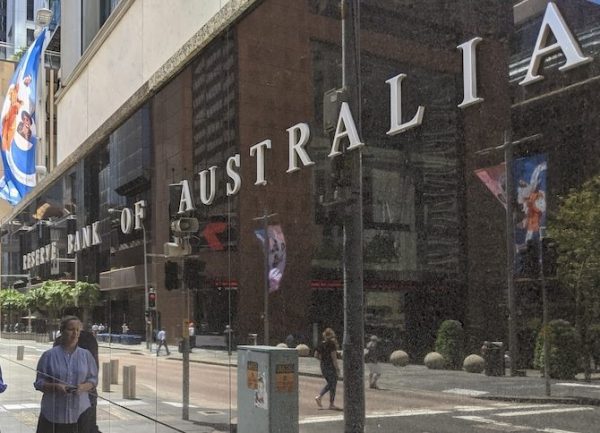
Retail shares declined on Tuesday as the Reserve Bank of Australia (RBA) raised the official cash rate by 25 basis points to 4.35%, heightening concerns about consumer spending and earnings across the sector.
The rate increase, widely anticipated by economists, marks the third hike this year and underscores the central bank’s ongoing effort to curb inflation, which remains above its 2–3% target band.
Shares in major retailers were weaker ahead of the announcement, reflecting broader macroeconomic pressures. JB Hi-Fi fell 1.45% to $77.46 despite recently reporting record sales and profits, while Harvey Norman dropped 1.34% to $4.41. Analysts expect both companies to face some of the sharpest earnings impacts due to their exposure to discretionary spending.
Market observers described Harvey Norman as structurally strong but highly sensitive to interest rate movements, while noting that demand for consumer electronics and appliances could weaken as households cut back on non-essential purchases.

Bosses might not like WFH, but retailers sure do
In a statement following the decision, RBA Governor Michele Bullock said inflation had picked up “materially” in late 2025 and early 2026, driven in part by higher fuel and commodity prices linked to the ongoing conflict in the Middle East. Oil prices have remained above US$100 per barrel as the Strait of Hormuz faces significant disruption.
The central bank also cited ongoing capacity pressures across the economy, with businesses continuing to pass higher costs on to consumers. Updated forecasts indicate underlying inflation will peak higher than previously expected, prompting tighter monetary policy.
Financial markets had largely priced in the move, with ANZ, Commonwealth Bank and NAB all forecasting a 25 basis point increase. Westpac, however, has warned that further rate rises could follow in coming months.
The decision was not unanimous, with one of the nine board members voting against the increase.
Higher borrowing costs are expected to further squeeze households. According to Canstar, the latest rise will add about $91 to monthly repayments on a $600,000 mortgage over 25 years. Since the start of the year, the cumulative effect of rate increases has lifted repayments by around $272 per month.
Despite the tightening cycle, some banks say households and businesses remain relatively resilient. NAB chief executive Andrew Irvine said many customers continue to hold “strong cash buffers” built up during last year’s period of lower rates.
The RBA has signalled it will maintain a cautious stance, warning that further increases cannot be ruled out if inflation persists, particularly in the face of ongoing global energy volatility.
Governor Bullock is scheduled to hold a media conference at 3:30pm.