Retail Giants Threaten Mainstream Media as JB Hi-Fi Joins Growing List Targeting Free To Air TV Dollars For In House Networks
 David Richards
26 Apr 2026
David Richards
26 Apr 2026

Australia’s traditional media landscape faces a structural crisis as major retailers aggressively pivot into the advertising sector, leveraging technology from providers like Broadsign to siphon billions in marketing spend away from television, radio, and billboard operators.
The shift reached a new milestone this week with JB Hi-Fi announcing a massive expansion of its Retail Media Network (RMN) using Broadsign technology despite complaints that their mobile optimisation is poor.
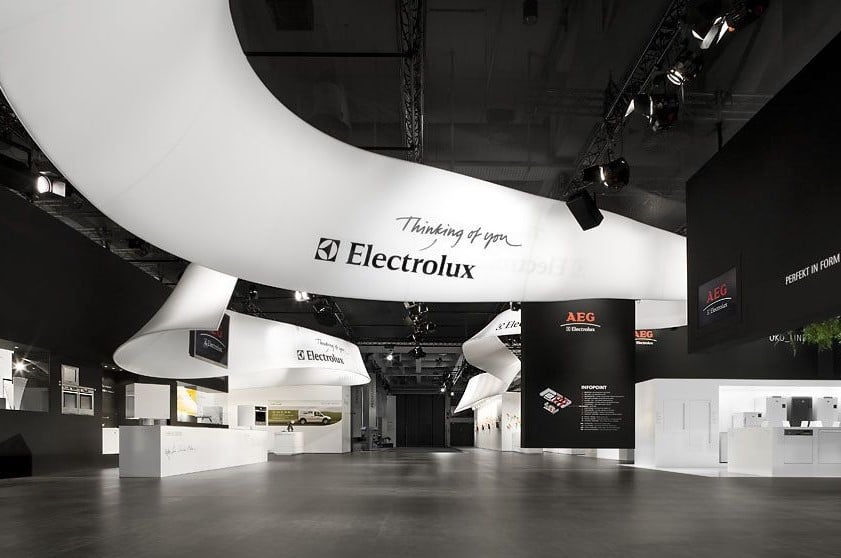
By deploying Broadsign’s digital out-of-home (DOOH) technology across more than 200 locations, the electronics giant has effectively transformed its storefronts into a programmatic advertising network, placing it in direct competition with established media Companies especially technology and appliance media.
At the center of this disruption is the “direct-to-brand” model. Retailers including Woolworths, Coles, Bunnings, and Officeworks who are increasingly urging brands to bypass media companies and invest in their in house TV Networks.
Industry analysts suggest this move targets the “bottom-of-the-funnel” spend—capturing consumers at the exact moment of purchase intent. The financial implications for legacy media are stark:
Revenue Decline: TV and streaming advertising revenues are forecast to drop by 5.1% in 2026.
Market Growth: The Australian retail media market is now valued between $1.1 billion and $1.5 billion.
The 2027 Pivot: Retail media spend is on track to overtake total television advertising revenue by 2027.
Infrastructure Shifting In-House
The trend is forcing a consolidation among traditional players. Out-of-home leader oOh!media recently shuttered its dedicated retail arm, reo, as retailers opt to manage advertising capabilities in-house.
Broadsign has emerged as a primary enabler of this transition. Despite some industry criticism regarding its mobile optimization, the company’s open API and centralized screen management allow retailers to retain control of lucrative first-party data—a commodity traditional media cannot easily replicate.
“We now have access to the same advertising toolset that major media owners use,” said Gary Siewert, JB Hi-Fi Director of Marketing and E-commerce. “Broadsign’s open API allows us to select the partners we want to work with as we build our omnichannel RMN.”
Profitability and the “Closed-Loop” Advantage
For brands, the appeal lies in “closed-loop” measurement. Unlike a traditional TV spot or billboard, retail networks can link an advertisement directly to a point-of-sale transaction.
This accountability is already padding the bottom lines of Australia’s largest companies:
Woolworths: Its Cartology division remains the market leader, driving significant margin growth for the WooliesX arm.
Coles: Coles 360 recently reported a 10.3% increase in retail media income.
Endeavour Group: The liquor and hospitality giant is successfully monetizing high-intent audiences across its physical networks.
As retailers continue to evolve into sophisticated media owners, the traditional value chain—where independent media provided third-party editorial and product reviews—is being replaced by high-margin, retailer-controlled ecosystems. This convergence of commerce and media marks a permanent shift in how Australian marketing budgets are allocated, leaving traditional broadcasters and publishers fighting to retain their relevance.