RBA Holds Rates Amid Ongoing Economic Uncertainty, Dashing Retailers’ Hopes
 David Richards
08 Jul 2025
David Richards
08 Jul 2025
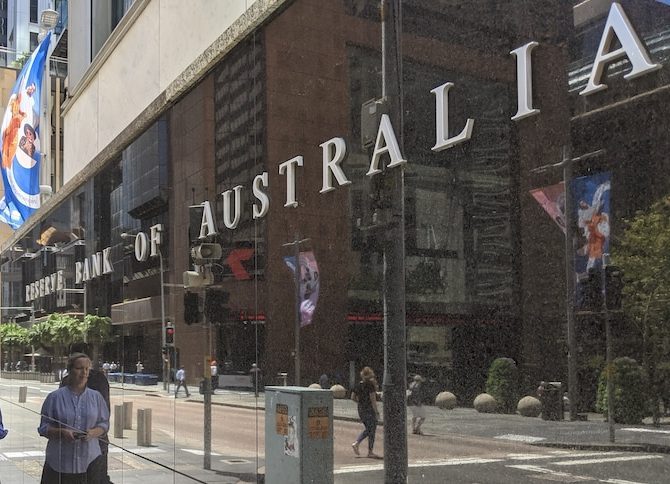
Retailers hoping for a rate cut from the Reserve Bank of Australia (RBA) were left disappointed today, as the central bank opted to keep the cash rate unchanged, citing persistent uncertainty in the economic outlook.
Citi chief economist Josh Williamson—whose firm is a significant investor in the retail sector—was among the few who correctly predicted the RBA would hold steady. He argued the central bank would take the “safe option” and wait until its next meeting, scheduled for August 11–12, before making any moves.
The RBA justified its decision by pointing to lingering risks in the global and domestic economy, despite a substantial decline in inflation since its 2022 peak. “Uncertainty in the world economy remains elevated,” the Board stated, noting that while financial markets have rebounded on optimism that extreme outcomes may be avoided, the final impact of U.S. tariffs and international policy responses remains unclear.
The central bank warned that ongoing trade tensions could still weigh on global economic activity, with the potential to delay spending by households and businesses awaiting greater clarity.
Inflation and Domestic Conditions
In the March quarter, headline inflation—partly influenced by temporary cost-of-living relief—fell to the midpoint of the RBA’s target range. Trimmed mean inflation stood at 2.9%. The RBA’s May forecast anticipated a continued moderation in underlying inflation toward the 2–3% target range, assuming a gradual easing of the cash rate.
While recent monthly CPI data suggest June quarter inflation is broadly in line with expectations, the figures were slightly stronger than forecast. With the cash rate already 50 basis points lower than five months ago and broader economic conditions evolving as anticipated, the Board decided to wait for further confirmation that inflation is sustainably tracking toward the 2.5% target.
Mixed Signals in the Domestic Economy
The RBA noted signs of gradual recovery in private domestic demand, with real household incomes improving and some indicators of financial stress easing. However, businesses in certain sectors continue to struggle with weak demand, limiting their ability to pass on rising costs to consumers.
Labour market conditions remain tight, with low levels of underutilisation and ongoing reports from employers about labour shortages. Although wages growth has softened from its peak, productivity gains remain elusive, and unit labour costs are still elevated.
The outlook for domestic economic activity and inflation remains clouded by both local and global factors. While national accounts for the March quarter confirmed a pickup in domestic demand over the past six months, the RBA warned that household consumption growth may be slower than previously expected. This could lead to weaker aggregate demand and a sharper deterioration in the labour market. Conversely, labour market outcomes could outperform expectations, based on signals from leading indicators.
Policy Outlook
The RBA acknowledged uncertainty around the lagged effects of recent monetary policy easing and how businesses will adjust pricing and wages in response to the evolving balance between supply and demand, tight labour conditions, and weak productivity.
The Board reaffirmed its commitment to maintaining price stability and full employment. It noted that while inflation risks are now more balanced and the labour market remains strong, caution is warranted given the heightened uncertainty surrounding both demand and supply dynamics.
The RBA concluded that monetary policy remains well-positioned to respond decisively should international developments materially impact Australia’s economic activity or inflation trajectory.