Questions Mount Over EB Games Future As GameStop’s $55 Billion eBay Bid Faces Ridicule
 David Richards
08 May 2026
David Richards
08 May 2026
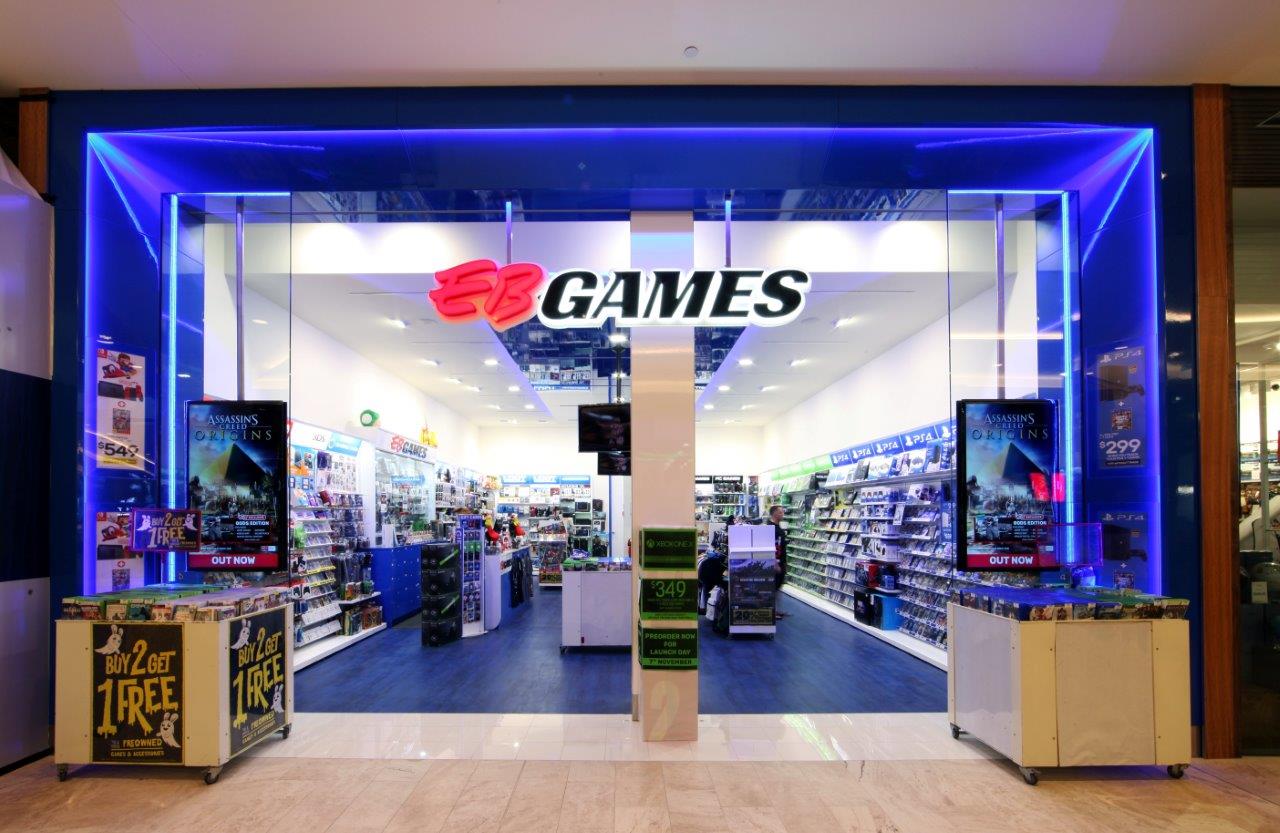
Serious questions are now being raised about the future of EB Games in Australia as its US parent GameStop pursues what analysts are increasingly describing as a highly questionable and potentially unrealistic $55.5 billion takeover bid for eBay.
The controversial proposal comes as GameStop CEO Ryan Cohen found himself banned from eBay this week after using the platform to sell personal items — including a pair of socks — in what many observers saw as a bizarre publicity stunt linked to funding claims surrounding the takeover attempt.
At the same time, concerns are escalating over the condition of the Australian operation run by Electronics Boutique Australia Pty Ltd, which oversees EB Games, Zing Pop Culture, EB World and the ebgames.com.au business.
Industry insiders and former employees claim the retailer is quietly shrinking its physical footprint while attempting to reposition itself away from traditional gaming retail into pop culture merchandise in a desperate effort to remain relevant.
ChannelNews has previously exposed concerns surrounding the Brisbane-based operation, and sources now claim additional store closures may already be underway.
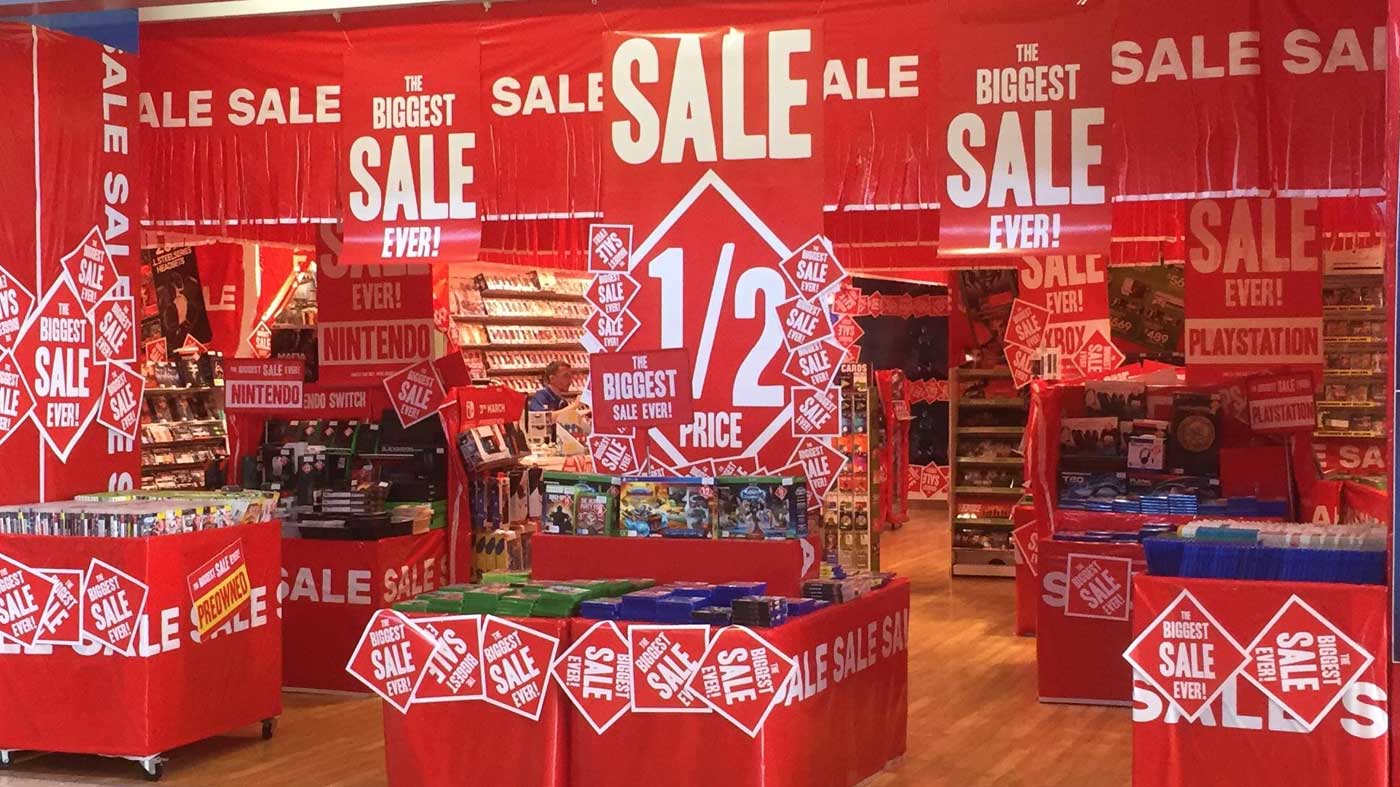
One former employee said the company once openly promoted the scale of its retail network but now appears reluctant to disclose exact store numbers.
“They used to proudly display how many stores they had. Now it’s difficult to get an accurate figure,” the former employee claimed.
The source alleges that dual-branded Zing and EB Games outlets are being internally counted as separate stores, potentially inflating the perceived size of the retail network.
Another former employee, now working as a software engineer, claimed even basic store data appears obscured online.
“They don’t maintain a transparent list of stores locally on their own site,” he claimed. “They rely on the Google Maps API and limit results to only five stores per search query.”
The growing scrutiny comes amid broader structural problems facing the physical gaming retail sector worldwide.
Digital downloads, subscription gaming platforms and direct-to-console purchasing have gutted the traditional bricks-and-mortar gaming model that once made EB Games dominant across Australia and New Zealand.
Globally, GameStop has already been aggressively shutting stores, including a full withdrawal from New Zealand where all EB Games locations have now closed.
Analysts say the economics of physical game retail no longer stack up.
High rental costs, shrinking margins and declining demand for physical software have forced retailers such as EB Games to pivot heavily toward collectibles, toys and pop culture merchandise under the Zing banner.
But critics now question whether that strategy is enough to offset the collapse of the traditional gaming retail market.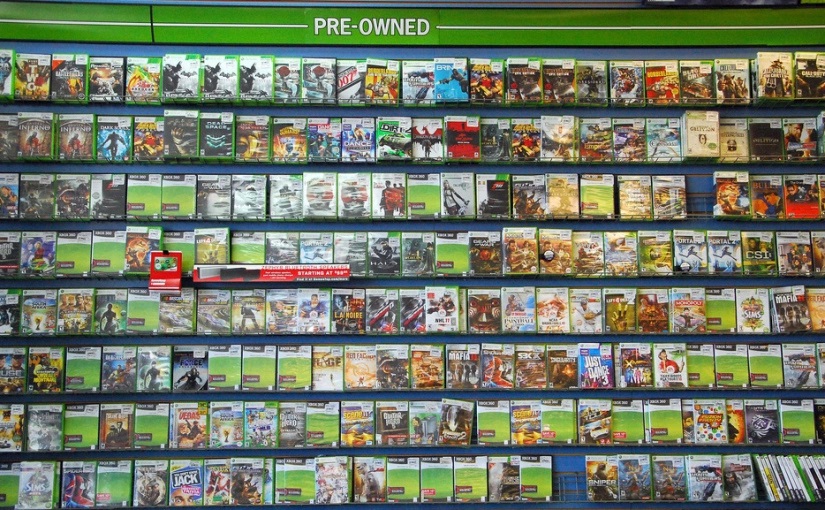
Those concerns have intensified following GameStop’s extraordinary takeover proposal for eBay.
Financial analysts have openly questioned both the mathematics and logic behind the bid.
GameStop’s current market value sits at roughly $11 billion, yet it is attempting to acquire a company worth more than four times that amount.
The offer — valued at $125 per share in cash and GameStop stock — has triggered alarm across Wall Street due to what analysts describe as a massive funding shortfall.
Despite holding approximately $9 billion in cash and reportedly securing a $20 billion debt commitment from TD Securities, GameStop still appears billions short of the capital required to complete the acquisition without heavily diluting its own shareholders.
Analysts also warn the proposed merger would create an extremely dangerous debt burden.
The combined company is estimated to carry a debt-to-EBITDA ratio exceeding 10 times — a level considered highly risky and virtually unprecedented for a retail-driven acquisition.
One analyst bluntly described the proposal as “financial engineering bordering on fantasy.”
Questions are also being raised about Ryan Cohen’s personal incentives.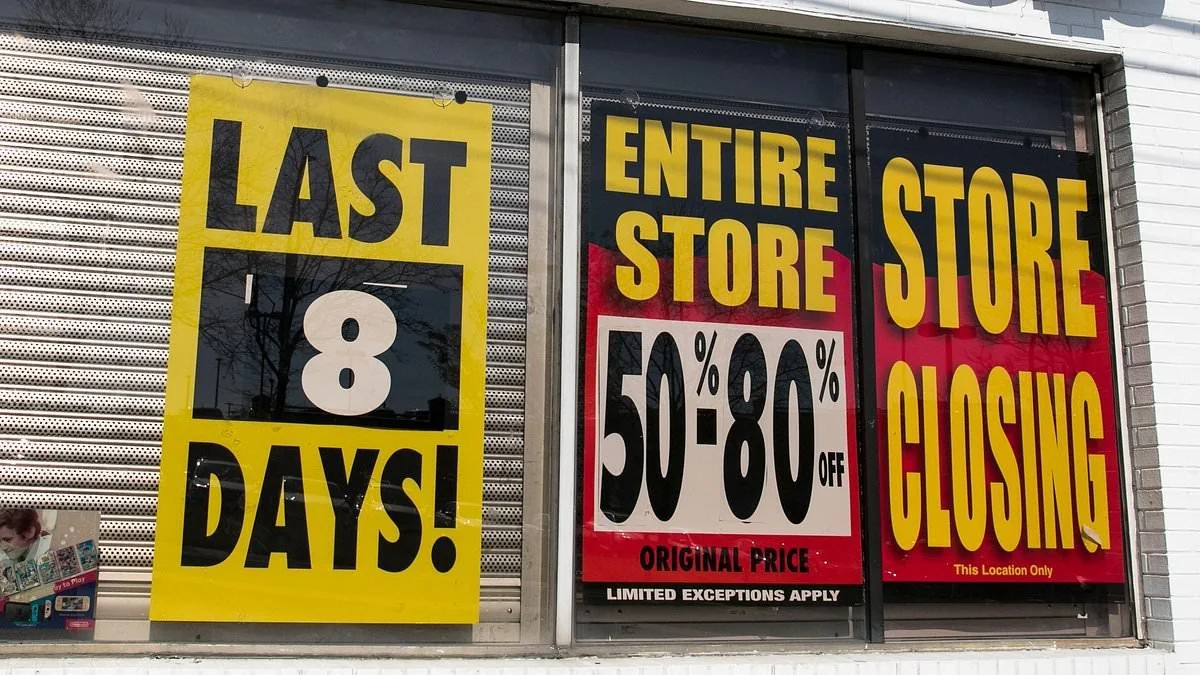
Reports suggest the GameStop CEO could potentially unlock compensation tied to aggressive market-cap and expansion targets worth tens of billions of dollars.
Critics now speculate the eBay bid may be less about long-term shareholder value and more about driving short-term market momentum.
Further controversy surrounds GameStop’s proposed cost-cutting strategy.
The company has reportedly flagged $2 billion in reductions, including slashing eBay’s marketing spend by roughly 50 percent.
Investment research firms including Morningstar have warned such cuts could severely damage eBay’s core marketplace business, which relies heavily on enthusiast buyers and repeat engagement driven by marketing activity.
Cohen has attempted to justify the merger by claiming GameStop retail outlets — including EB Games stores in Australia — could become authentication and fulfilment centres for eBay products.
Critics, however, question whether an aging chain of video game stores represents credible infrastructure for a modern global e-commerce platform.
In Australia, attention is also turning toward the financial structure of EB Games itself.
Critics have questioned why a company reportedly facing ongoing store closures and local losses has simultaneously transferred nearly $49 million in dividends back to its US parent while paying minimal corporate tax locally.
For some observers, that contradiction sits at the heart of the controversy.
A retailer struggling to maintain relevance in a collapsing physical gaming market is now attempting to spearhead one of the largest tech acquisitions in recent history.
Others believe the bid may never have been intended to succeed.
One theory circulating among market analysts is that the move may be a strategic pressure tactic designed to force eBay into eventually considering a counter-offer for GameStop itself.
For now, eBay has confirmed it has received the unsolicited and non-binding proposal and says its Board will review the approach.
The company has advised shareholders to take no action.