OZ Consumers Still Love Premium Smartphones As Samsung Pre Orders Surge
 David Richards
12 Mar 2026
David Richards
12 Mar 2026
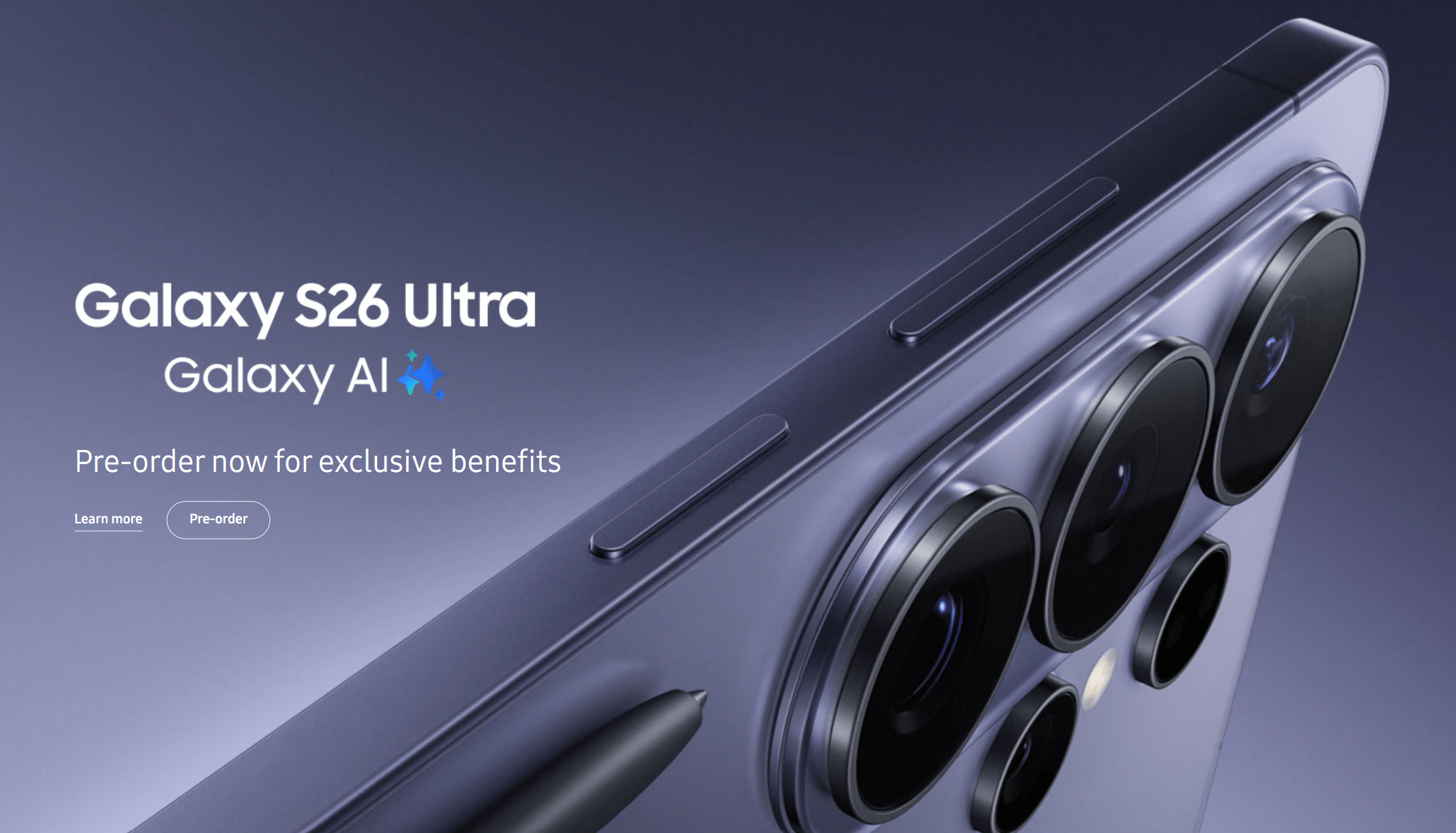
Samsung has begun shipping its new Galaxy S26 smartphone range with their new models now on sale at retailers and carriers in Australia ,after the Company reported strong global pre-order demand, even as soaring memory prices threaten to drive up smartphone costs across the industry.
The company said sales of the Galaxy S26 series are already ahead of last year’s Galaxy S25 models, with three new devices now available through mainstream smartphone retailers.
Demand has been led by the premium Galaxy S26 Ultra, which accounted for about 70% of all pre-order shipments, according to Samsung.
Pre-orders for the new devices, which launched alongside the Galaxy Buds 4, have risen by double digits compared with last year’s models, the company said.
The strong launch comes as smartphone manufacturers face sharply higher component costs, particularly for memory.
Research firm Counterpoint Research reports that mobile RAM prices have increased by about 50% quarter-on-quarter, while NAND storage prices have jumped more than 90% over the same period.
Analysts say these increases are already pushing up the cost of producing smartphones.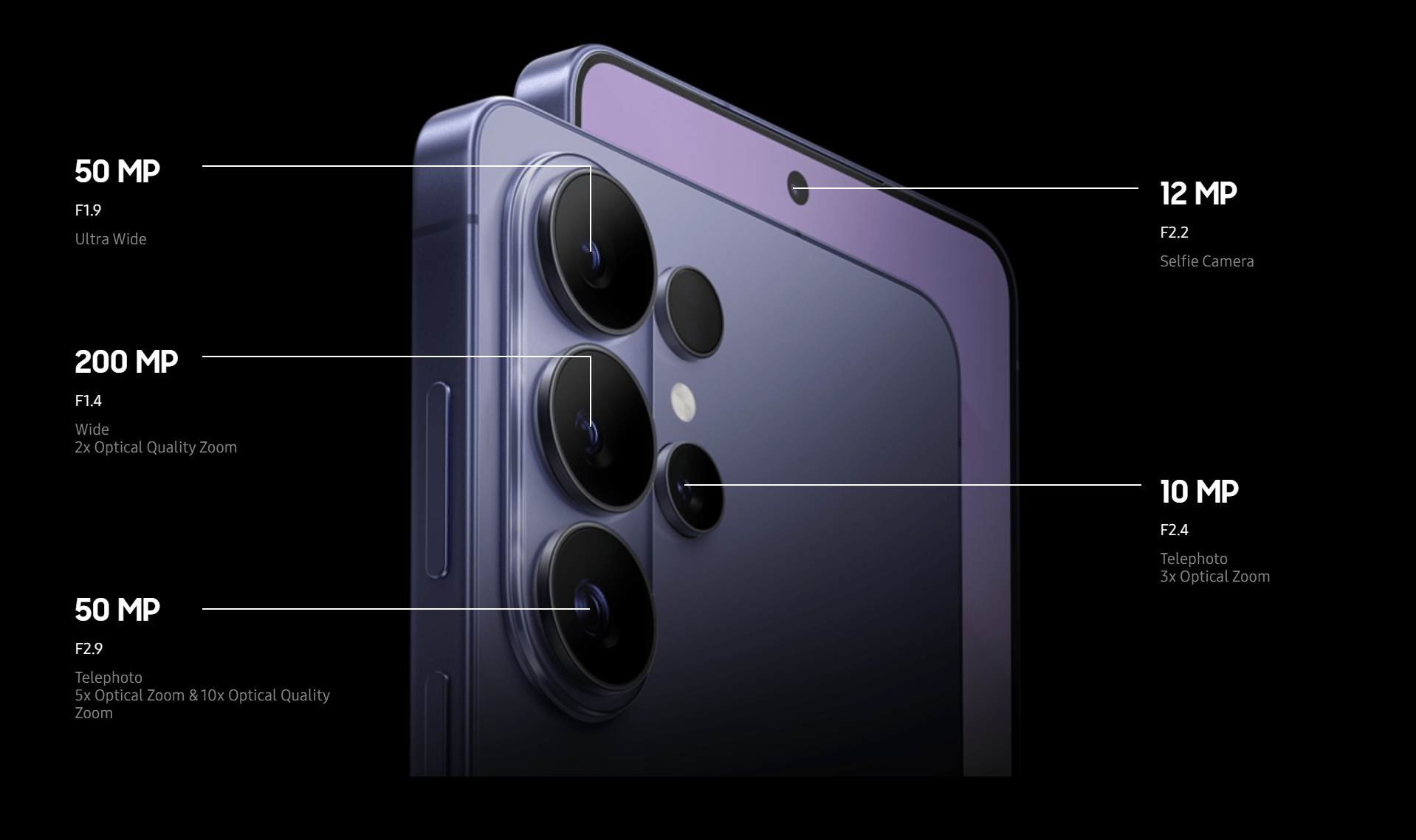
“Higher retail prices are unavoidable in 2026 as rising costs are now being passed to consumers,” analysts warned.
Memory costs are now accounting for a larger share of the bill of materials (BoM) used to build smartphones. Counterpoint estimates that a typical low-end device with 6GB of LPDDR4X RAM and 128GB of storage now requires manufacturers to spend about 43 per cent of the total BoM on memory, a 25 per cent increase from the previous quarter.
The impact is expected to be greatest in the entry-level smartphone market, particularly for devices priced below $350, where margins are already thin.
Premium devices are less affected because manufacturers have greater pricing flexibility. Counterpoint estimates that the BoM for a flagship smartphone equipped with 16GB of LPDDR5X RAM and 512GB of UFS 4.1 storage could rise by US$100 to US$150 in the second quarter, with RAM accounting for 23% of the BoM and storage 18 per cent.
The firm forecasts that low-end smartphones could become about A$50 more expensive, while premium devices may rise by A$150 to A$250.
Samsung may be better positioned than many competitors because it is also one of the world’s largest memory manufacturers, alongside SK Hynix. The company has already incorporated memory upgrades as part of its Galaxy S26 pre-order incentives, giving buyers higher storage configurations at launch.
According to Samsung, the popularity of the S26 Ultra suggests consumers are willing to pay for premium features. The device includes what the company describes as the world’s first built-in Privacy Display, which restricts screen visibility from side angles while allowing the user to view the display normally.
The flagship device is powered by a customised Snapdragon 8 Elite Gen 5 processor and includes upgraded camera technology designed to improve low-light photography.
Counterpoint senior analyst Shenghao Bai said rising component costs could create financial pressure for smartphone makers that depend heavily on entry-level devices.
“The memory price surge is delivering a structural impact to smartphone BoM costs,” Bai said. “In 2026, OEMs will struggle to balance component costs, gross margins and shipment targets. Those who rely heavily on entry-level models to drive market share will face a significant risk of short-term losses.”
The rising costs are expected to affect several Android manufacturers and may also impact Apple, although analysts say the company is currently attempting to absorb part of the increase.