Oppo Introduces Personalised Fat-Burning Tracking For Smartwatches
 April Ossington
10 Aug 2026
April Ossington
10 Aug 2026
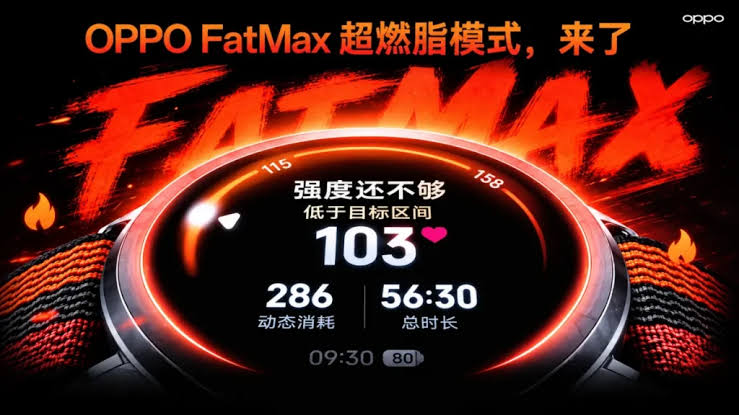
Oppo is preparing to launch a new fitness feature that aims to make fat-burning workouts more personalised by replacing the traditional one-size-fits-all heart rate calculation used by most smartwatches.
Known as FatMax, the feature analyses personal health data to determine an individual’s optimal fat-burning heart rate zone, rather than relying on the standard formula based largely on age.
Conventional fitness trackers typically estimate the fat-burning zone by calculating a user’s maximum heart rate using the widely adopted “220 minus your age” equation before targeting 60 to 70 per cent of that figure. While simple, the method does not account for differences in fitness levels or body composition between individuals of the same age.
Oppo says FatMax takes a more tailored approach by incorporating information such as age, height, weight, gender and current fitness level. The company’s health algorithm then generates a customised heart rate range designed to maximise fat utilisation during exercise.
The system also continues learning over time. As users wear the smartwatch and complete more workouts, the algorithm refines its calculations using real-world activity data to provide increasingly personalised recommendations.
Another feature of FatMax is its ability to estimate the amount of fat burned during a workout. Users can view this information in real time while exercising, allowing them to monitor how effectively they remain within their personalised target zone.
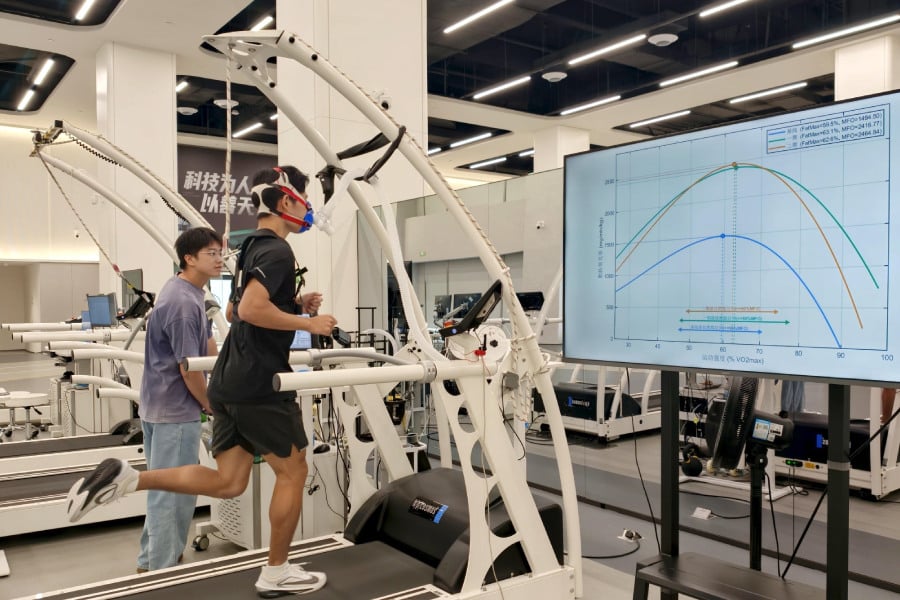
Oppo recently demonstrated the technology during a fitness event in Shenzhen, where participants tested the feature while running.
FatMax will debut with the Oppo Watch S2 when the smartwatch launches in September.
The announcement builds on Oppo’s expanding focus on digital health and fitness. Recent smartwatch releases have introduced features including blood pressure monitoring, electrocardiogram (ECG) measurements and AI-powered fitness coaching.
Alongside FatMax, Oppo also revealed a new Smart Track function developed in partnership with Beijing Sport University. The feature automatically records running performance, including pace and duration, before providing personalised feedback to help users improve future workouts.
With wearable manufacturers increasingly moving beyond basic activity tracking, Oppo’s latest additions reflect a broader industry trend towards more personalised health insights driven by artificial intelligence and advanced biometric analysis.